
 E-Paper



It’s best not to politicise and securitise water
India’s decision to deny hydrological data to Pakistan could only escalate problems.


Last week, India raised diplomatic stakes against Pakistan by refusing to renew its yearly agreement on sharing of hydrological data of the Indus water system , and said that it would provide information to its neighbour only on “extraordinary discharges and flood flows”.
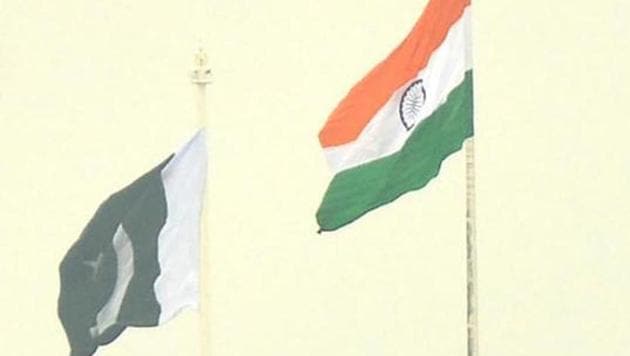
This decision, India added, would not affect the water-sharing agreement — the Indus Water Treaty (IWT) — that was signed in 1960. Other than data on “extraordinary discharges and flood flows”, both nations share information on the daily withdrawal from canals and discharge and link canals, and the flow of water in the rivers.
Hydrology experts in India say this information-sharing pact, which was signed in 1989, is crucial as large urban settlements in Lahore (on the banks of Ravi) and Multan (at the confluence of Chenab and Ravi) are vulnerable to flooding. According to the IWT, India controls Beas, Ravi and Sutlej rivers, while Pakistan controls Indus, Chenab and Jhelum.
New Delhi has good reason to want to put pressure on Islamabad, which has been trying to internationalise the Kashmir issue and has continued with cross-border terrorism. And indeed, it must deploy all its diplomatic energy to do so. But India must also remember that it is a lower riparian state in many river basins, including Indus and Brahmaputra. The step taken by New Delhi may set a bad precedent, and others may also use it against India. The unfortunate politicisation and securitisation of water may only escalate the problem, and have unintended consequences.
New Delhi must find more creative ways to generate pressure.


