
 E-Paper



It’s the new age of storytelling, with possibilities we had never imagined
It has released content – be it literature, cinema, television, graphic novels, or video games – from its straightjacket


That Netflix has changed the way the world thought of television is no longer news. To be able to watch TV without scheduling constraints was once the purview of those who (illegally) downloaded TV shows off the internet alone. But with the advent of Netflix and other online streaming services, “binge watching” has become the new normal. This new form of watching TV redefined the medium and subtly and progressively altered the manner in which episodic stories were told. Is this even TV, purists asked, as audiences rediscovered new and old TV shows and watched season after season, with minimal breaks. Until the end of 2018, when Netflix pulled another rabbit out of its hat with a new episode of the show, Black Mirror, titled Bandersnatch — interactive TV, ladies and gentlemen.
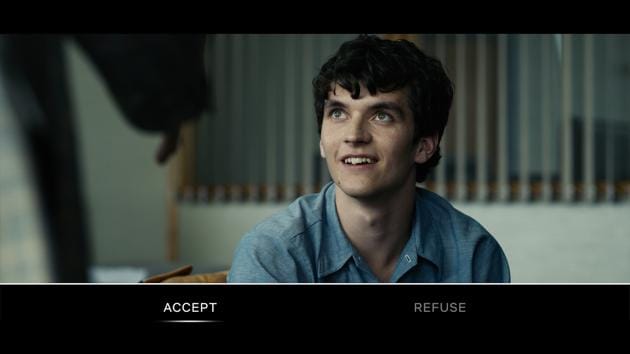
The episode is made in a pick-your-adventure format, reminiscent of (and in the story, based on) 80s style books and video games of the same sort. Based on the choices you make for the protagonist (who is, in a rather on-the-nose move, working on coding his own pick-your-adventure game), his life spirals in a terrible manner. Watching the part video game, part TV movie episode is interesting also because of the constant possibility of do-overs, multiple endings, and the curiosity to see them all. As you pick what cereal the protagonist eats, or what music he listens to, or whether or not he commits murder, the story leads to various endings, some of which are tragic and some deeply farcical, even if self aware. The illusion of choice is maintained throughout, offering the user a chance to redo the progression of the story at certain points. In one of the paths, a character actually says out loud that you have made the wrong choice. Essentially, the choices are more gimmick than character evolution, but do manage to raise some interesting questions not just about the story but also about the viewer’s own motivations and voyeurism.
This past year saw a graphic novel (Sabrina by Nick Drnaso) shortlisted for the Man Booker Prize for the first time, giving this particular form a legitimacy and gravitas it had hitherto lacked. And now a video game format has been successfully adapted to the episodic storytelling form. And as Black Panther becomes the first superhero movie to earn a Best Drama nomination at the Golden Globes, it would appear that a new age of storytelling is upon us, in which content — be it literature, cinema, television, graphic novels, or video games — has been released from its straightjacket.


