
 E-Paper



Judiciary must not fear scrutiny
A confident judiciary answers criticism with reason, corrects itself when necessary, and doesn’t use contempt jurisdiction as a shield

 Prefer HTon Google


The Supreme Court’s latest word on criticism of the judiciary deserves attention beyond the immediate controversy over an NCERT textbook. Its message is neither that the judiciary is above criticism nor that criticism must be muted. Quite the opposite, the court has acknowledged that a constitutional institution must remain open to informed scrutiny, while drawing a line against unverified assertions presented as fact, particularly before impressionable schoolchildren.
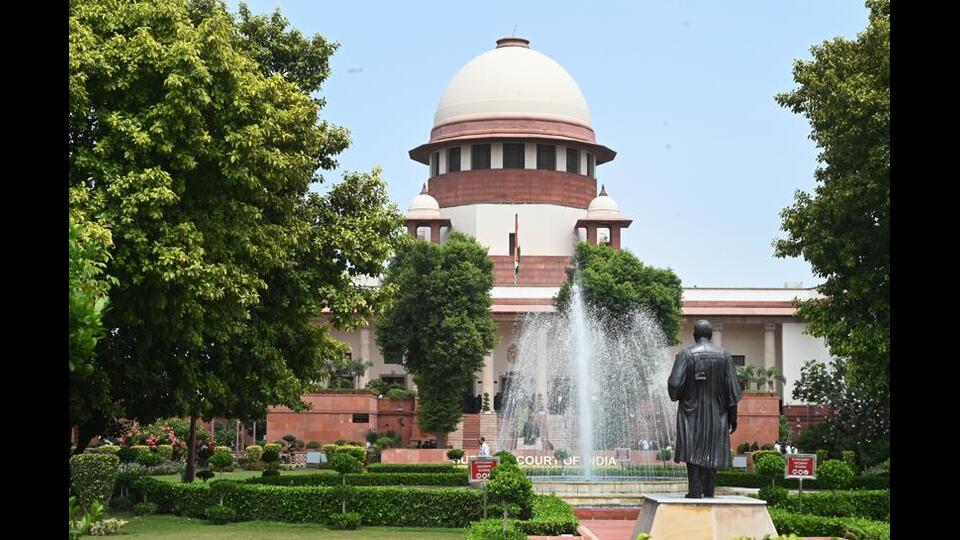
Closing its suo motu proceedings over the Class 8 textbook that carried a section titled “Corruption in the Judiciary”, a bench headed by Chief Justice of India Surya Kant said the distinction was not between “criticism and silence” but between “responsible discourse and uninformed assertion”. Fair, informed and constructive criticism, it said, contributes to institutional accountability and self-correction.
That is an important distinction. The judiciary, like every other constitutional institution, cannot demand immunity from scrutiny merely because its authority commands respect; nor should contempt jurisdiction become a shield against uncomfortable questions about judgments, judicial conduct or institutional shortcomings. The law has long recognised this distinction. In Brahma Prakash Sharma Vs State of Uttar Pradesh (1953), the Supreme Court made clear that judges are not immune from criticism and that good-faith criticism does not become contempt merely because it is uncomfortable. In PN Duda Vs VP Shiv Shankar (1988), the court went further, observing that if judges decay, contempt power will not save them. Section 5 of the Contempt of Courts Act, 1971 also expressly protects fair comment on the merits of a case that has been heard and finally decided.
That jurisprudence matters because contempt is not a shield against embarrassment. Criminal contempt is attracted only when criticism crosses the statutory threshold and threatens the authority of the court or the administration of justice. The Supreme Court itself has repeatedly said that bona fide and constructive criticism can aid institutional self-introspection.
There is, therefore, a useful symmetry in the latest ruling. Schools should not teach unverified allegations as established truth. But neither should institutions treat uncomfortable criticism as illegitimate merely because it lowers their comfort level.
A confident judiciary does not fear scrutiny. It answers criticism with reason, corrects itself when necessary and leaves contempt jurisdiction for cases where justice — not judicial prestige — is genuinely at stake. That is not weakness. It is constitutional strength.


