
 E-Paper



Kashmir: Why polls are crucial
Beyond Shah’s successful visit, a key marker of stability will be holding free, transparent polls

 Prefer HTon Google


Union home minister Amit Shah wrapped up his three-day visit to Jammu and Kashmir last week. Notable during his visit were two rallies, in Jammu’s Rajouri town and north Kashmir’s Baramulla, where Mr Shah became the first home minister to address a public meeting in the area in almost three decades. The engagements, the turnout at the events, and the electoral roll update reaching its final stages fuelled hope that the region will soon see the first assembly election since its special status was scrapped three years ago.
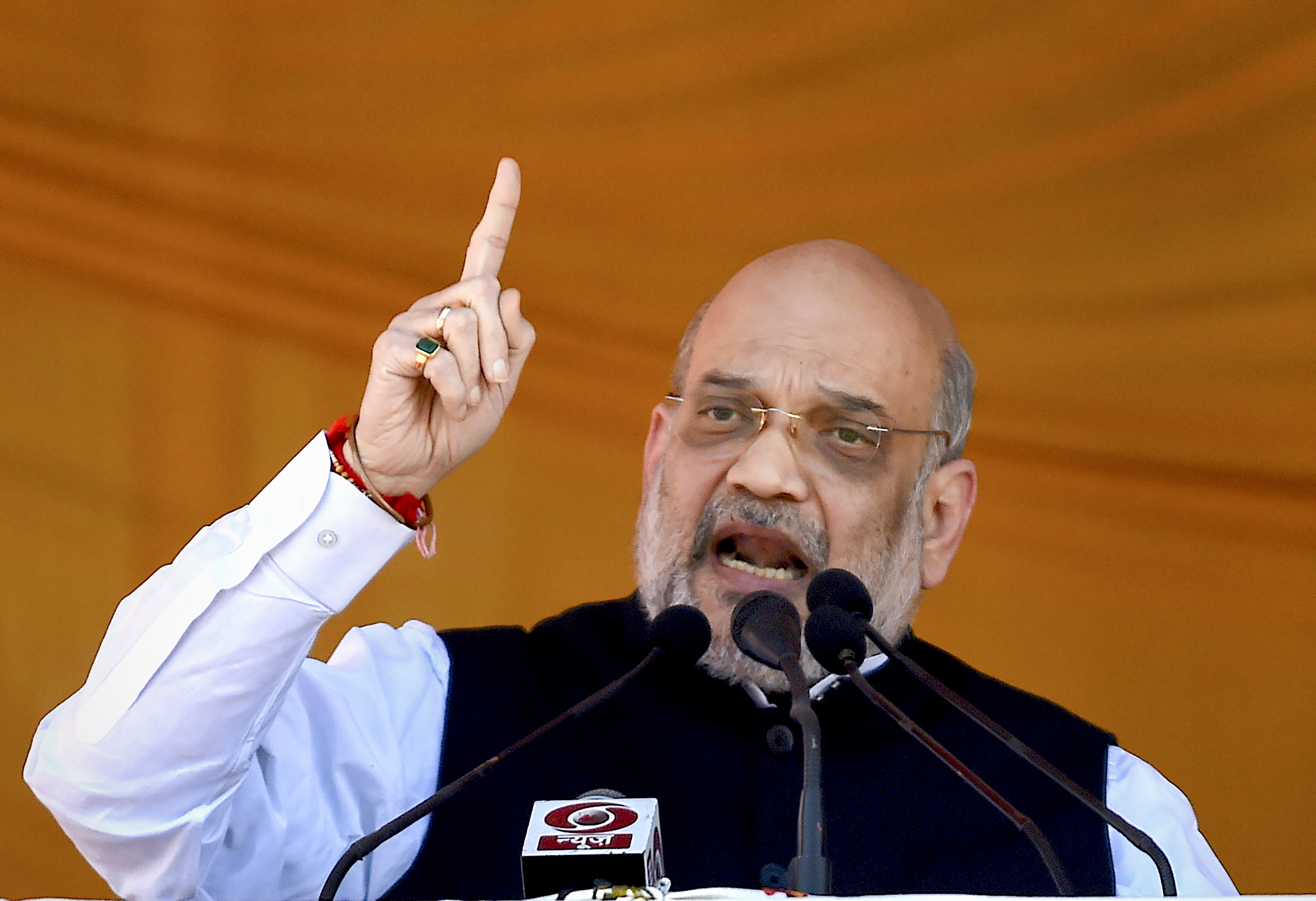
The Bharatiya Janata Party’s calculations are clear. It is upbeat because it believes the participation in last week’s rallies is proof that resentment about the loss of special status and statehood is abating, the welfare push and the Centre’s schemes are having a positive effect, and the focus on bringing marginalised sections into the mainstream has borne fruit. In Rajouri, Mr Shah stressed how the effective nullification of Article 370 helped expand benefits and reservations for marginalised castes and tribespeople and announced quotas for the Pahari community. Coupled with the party’s focus on large nomadic groups such as the Gujjars, Bakerwals, and Dalits, it is clear that it wants to expand its footprint beyond its stronghold of Jammu and is looking towards marginalised communities to stitch together a new political coalition. A coalition of local parties, on the other hand, has remained focused on its demand to bring back Article 370 and has positioned itself as the representative of large sections of the population, especially in the Valley.
The government believes the situation has improved in Kashmir over the last few years — tourist numbers are rising, terror strikes are down, and the economy appears to be looking up. Yet, as a string of targeted killings of non-locals, migrant workers, and religious minorities shows, challenges remain. Bolstering the security apparatus is only one part of the solution, the other is restarting the political process through an election. The local body election was a step in the right direction, but holding assembly polls is crucial. A report in this newspaper indicated that the electoral rolls may be finalised by November, paving the way for elections next year. For this, not only will the process have to be credible and transparent, it will need to accompany dialogue with all mainstream political actors and members of local society. Taking them on board, and ensuring a fair election with enthusiastic participation, will showcase naya Kashmir like nothing else will.


