
 E-Paper


Keep politics out of UGC equity rules
Using politics to deny the uncomfortable truth of India’s campuses is detrimental for progress

 Prefer HTon Google


The Union government’s admission that it is contemplating setting up a committee to reconsider the University Grants Commission’s (UGC) 2026 equity regulations will have significant social and political ramifications. But lost in the weeds of political expediency is the very real problem of bright young people from marginalised backgrounds being let down by prominent educational institutions, sometimes with tragic consequences.
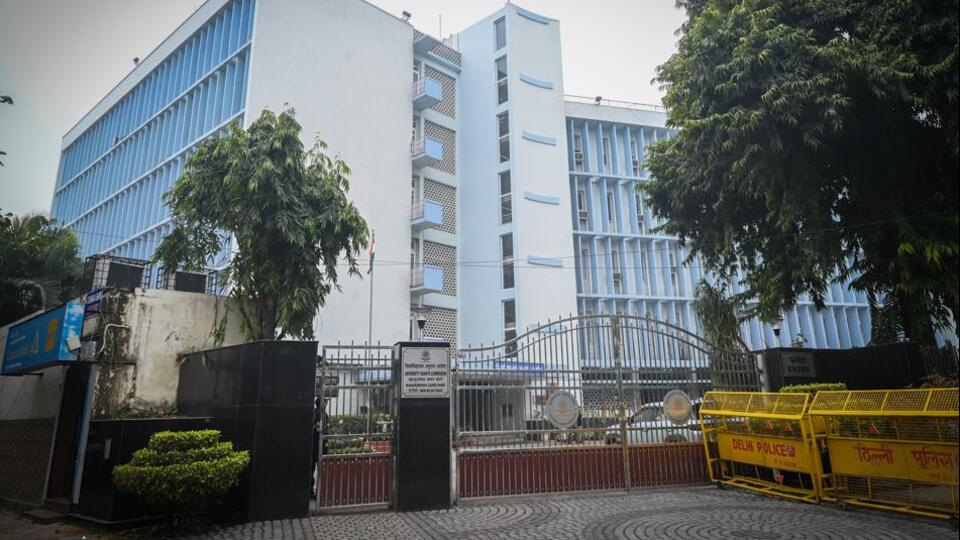
The UGC norms came out of a top court petition by two mothers who lost their children to caste-based discrimination. The university regulator set up a panel that formulated the regulations, which went beyond the 2012 guidelines against discrimination. But almost immediately, the rules sparked protests among upper-caste groups who took umbrage to the fact that caste discrimination was defined as something that could only happen to Scheduled Castes, Scheduled Tribes and other backward classes — and not the general castes. They raised concerns about false cases and approached the top court, which stayed the norms.
The government’s move comes months before scheduled assembly polls in Uttar Pradesh (UP), where upper castes form a strategic bloc. Coupled with the effective rollback of the Agnipath scheme a day before — which appeared aimed at dousing youth angst over jobs and temporary commissions, especially in states that contribute substantial numbers to the armed forces such as UP, Uttarakhand and Punjab — and it seems clear that the decision was as much political as it was administrative.
Over the past 12 years, the BJP has excelled in balancing caste interests, ensuring that both its traditional votebank of upper castes and new base of backward and Dalits are served. But the UGC rules pose a unique challenge — it is difficult to find common ground on such a polarising issue where marginalised castes rue the lack of protections for their young people and upper castes believe they’re being unfairly targeted for a phenomenon (caste bias) most of them have never faced. In that sense, the Centre’s move is reminiscent of its 2019 decision to introduce EWS quotas to ameliorate upper-caste anger, months after bowing to Dalit stirs over dilutions in the SC/ST Act. It is a clear outreach towards upper-castes that appear to have grown somewhat ambivalent towards the BJP. How it’ll explain the move to Dalits and backwards is to be seen.
In many ways, the ruckus around the UGC rules mirrors upper-caste angst at reservation and the SC/ST Act. Just as UGC protesters are asking why only SC/ST/OBC students get protection and raising the spectre of false cases, anti-reservation groups continue to conflate historical advantages with merit — notwithstanding the fact that EWS is effectively now an upper-caste quota — and ignore social realities to ask for the scrapping of legal protections for SCs and STs. But far more egregious is that this polarising debate helps elide the reality of vulnerable students struggling to make their way in elite campuses. It doesn’t matter what rules are eventually notified — after all, even the 2012 rules were largely observed in the breach, with SC/ST cells barely functional and grievance redressal a chimera — as long as they’re transparent and effectively implemented. Using politics to deny the uncomfortable truth of India’s campuses or delay the urgent course-correction required of our academic leadership is not only unfair to the two mothers who were forced to move court after losing their children but also detrimental to national progress. After all, education needs to remain the silver bullet for marginalised populations for the Republic to continue thriving.


