
 E-Paper



Public health work must go beyond advisories
Severely compromised public hygiene needs stronger municipal systems, better housekeeping, and greater public participation

 Prefer HTon Google


As swine flu cases rise in the national capital, the administration has advised people to wear masks in crowded places, wash hands frequently, avoid contact with anyone who appears to be infected, and consult a doctor if they develop flu-like symptoms. Such advice may be useful, but the larger question remains unanswered. In cities defined by density — where people live, study, work, commute, shop, and socialise in closely packed spaces — can close contact among residents realistically be limited to control the spread of infections? One could argue that physical distancing was an important part of the Covid-19 containment strategy, but that was a once-in-a-lifetime pandemic needing extraordinary measures, including lockdowns, travel restrictions, alongside masking, testing and other interventions. Influenza A (H1N1), by contrast, is a seasonal viral circulation that public-health systems should routinely manage. Annual flu shots can prevent outbreaks (and boost herd immunity), but they are expensive, with the cheapest costing around ₹1,000. The government could consider vaccinating at least frontline health care and sanitation workers, though.
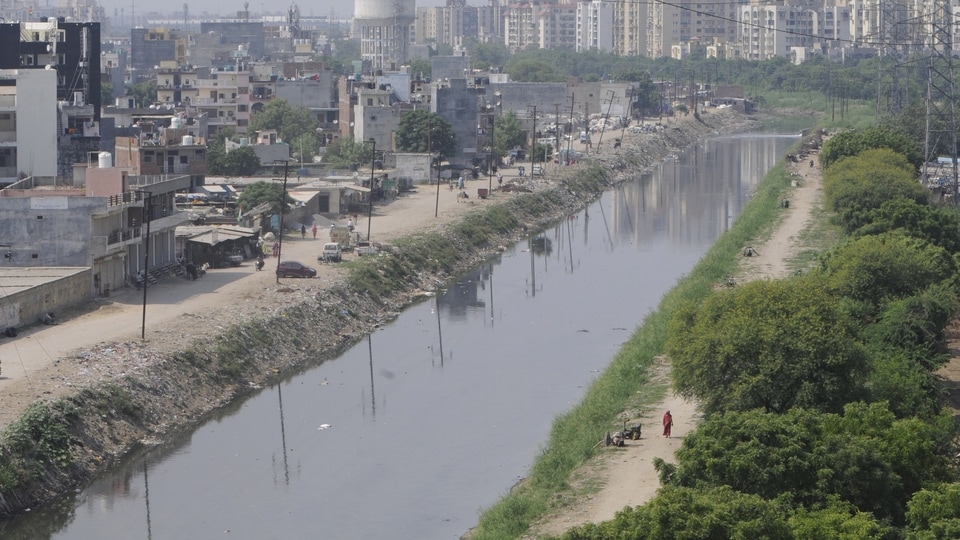
The challenge is also one of India’s urban governance. Overheated spaces, flooded and potholed streets, overflowing drains turning into vector-breeding sites, and toxic winter smog are treated as seasonal woes. Density isn’t something governments can control, but ensuring that growing populations are adequately served certainly is. Urban built environments can be dense, and still be managed for public well-being.
The Covid-19 pandemic exposed entrenched health inequities in India. To address these, our cities need guaranteed access to primary care and testing in every neighbourhood. Markets, public transport systems and other crowded spaces need practical infection-control protocols, activated when outbreaks occur. Severely compromised public hygiene needs stronger municipal systems, better housekeeping, and greater public participation. Mere advisories that place the onus on the population can’t be the only government action.


