
 E-Paper



Safeguard LGBT people from bias
State governments can have great impact on safeguarding LGBTQIA+ communities from bias, and one hopes that the intent behind these bills will be reflected in the everyday policies of administrations run in these states

 Prefer HTon Google


Last week, three members of Parliament introduced in the Lok Sabha, separate private member’s bills on issues related to the Lesbian, Gay, Bisexual, Transgender, Queer, Intersex and Asexual (LGBTQIA+) communities. These were Nationalist Congress Party leader Supriya Sule on legalisation of same-sex marriages, Dravida Munnetra Kazhagam leader Senthilkumar S on equal protection of rights for members of the community and Trinamool Congress (TMC) leader Aparupa Poddar on banning conversion therapy to “cure” homosexuality.
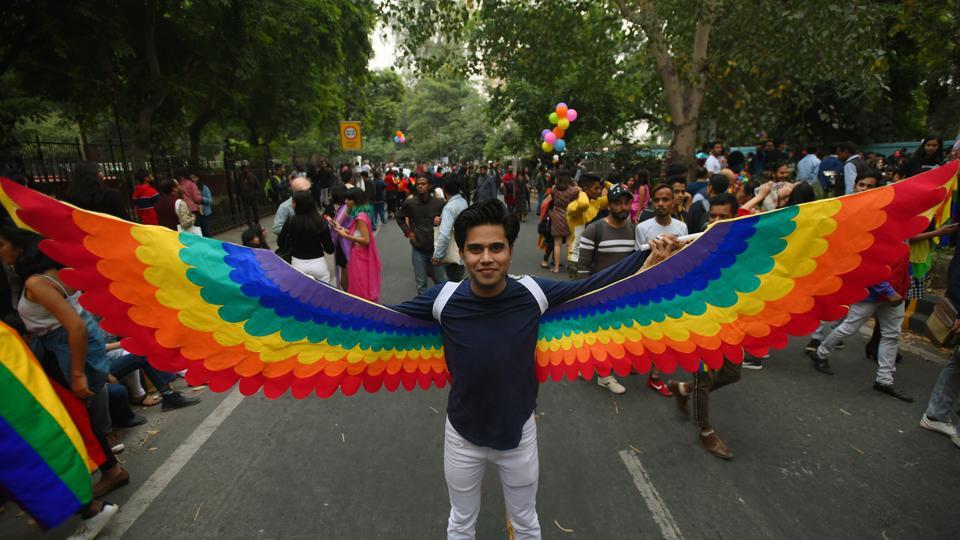
Private member’s bills are rarely successful and act as signals to gauge the mood of parliamentarians and legislative priorities of political parties. But they can also precipitate meaningful change, illustrated in the way Tiruchi Siva’s transgender rights bill – the first private member’s bill to pass the Upper House in four decades in 2015 – prompted the government to enact its version of the legislation. The three bills mark the first time leaders from different political parties have acted in tandem to confirm the rights of the LGBTQIA+ communities and show that awareness of gender and sexuality rights has made giant strides from a mere decade ago, when the Supreme Court recriminalised homosexuality, dismissing the rights of a “minuscule minority”.
Some of these bills are inconsistently drafted – it is not clear, for example, how Senthilkumar’s draft law will enact wideranging protections in adoption, surrogacy, discrimination, workplace, marriage etc or what penalties for violations can be – and they also raise the question of whether the law, and not social movements, is the best avenue to guarantee rights for minority groups. But this is a heartening step, especially when one notes that the leaders behind the bills represent the ruling party in three of India’s largest states. State governments can have great impact on safeguarding LGBTQIA+ communities from bias, and one hopes that the intent behind these bills will be reflected in the everyday policies of administrations run in these states.


