
 E-Paper



The significance of Kirpal’s elevation
By recommending him for elevation as a judge in the Delhi HC, the collegium has done what Mr Kirpal has sought to do his entire life: Live with dignity, and work in a place that promises to uphold it

 Prefer HTon Google


In an ideal world, the Supreme Court (SC) collegium’s proposal to elevate Saurabh Kirpal as a judge of the Delhi High Court should have been remarkable for obvious reasons: He is one of the country’s sharpest legal minds; he read law in Oxford and Cambridge, and worked at the United Nations Compensation Commission in Geneva before working as an advocate at the SC. He was also involved with the fight that led to a Constitution bench overturning Section 377, an Indian Penal Code provision that criminalised same-sex relationships. Yet, it is also remarkable because it means India may well get its first out judge of a constitutional court.
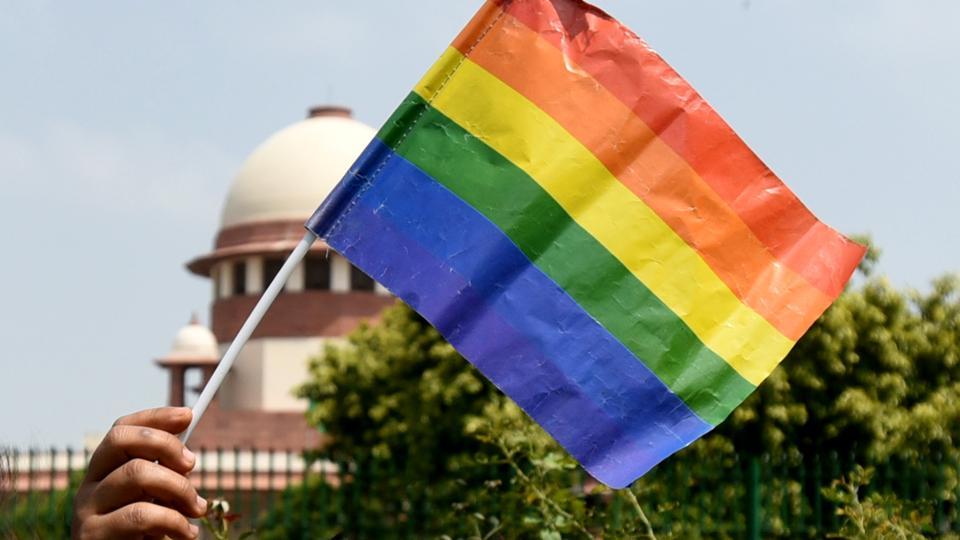
This is a long way away from the India that Mr Kirpal grew up in, when sexuality was a taboo subject and it was socially acceptable to express hatred towards homosexual people. Thus, Mr Kirpal’s decision — taken early on in his career — to live as any adult in a relationship would, with their partner, surrounded by family and friends, was remarkable. His battle, as with so many queer persons around the world, was simply, to be. His choice was courageous: He lived his truth, and through it, showed others in the legal profession whom he came in contact with, irrespective of rank or hierarchy, what it means to be a gay person.
A book Mr Kirpal edited that came out in 2020, Sex and the Supreme Court: How the Law is Upholding the Dignity of the Indian Citizen, shows readers how the top court has an impact on every area of our lives. The title is prescient. By recommending him, the collegium has done what Mr Kirpal has sought to do his entire life: Live with dignity, and work in a place that promises to uphold it.


