
 E-Paper



Slipping in Shanghai
China will have to shelve its Arunachal ambitions for better ties with India

 Prefer HTon Google


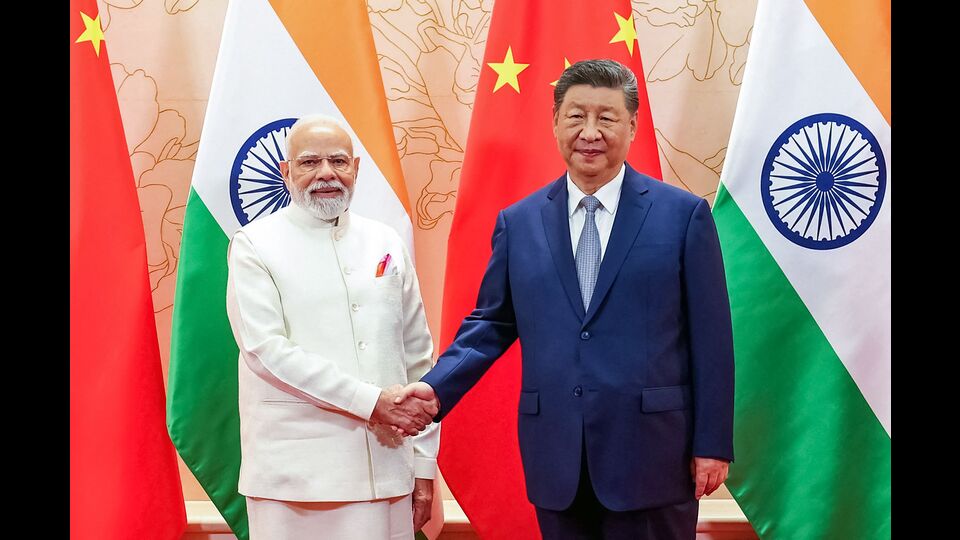
The petty act by immigration authorities at Shanghai airport of detaining an Indian citizen with roots in Arunachal Pradesh for 18 hours may have done immense perceptual harm to India-China ties. This is even more so as Beijing and New Delhi have been working to reset the relationship, which had soured after China’s hostile actions along the Line of Actual Control in Ladakh in 2020. Bilateral relations are back on track: Prime Minister Narendra Modi attended a Shanghai Cooperation Organisation meeting in Tianjin, China, in September, and the countries have resumed direct flights. New Delhi and Beijing have also found common ground in international forums, partly due to President Donald Trump’s unilateral America First policies and partly because China has seemingly abandoned its expansionist approach to its neighbours. However, the Shanghai incident, coming in the wake of the Chinese administration upping the ante against Tokyo over Taiwan and weaponising its stock of critical minerals, casts a shadow over Beijing’s intentions. New Delhi has rightly protested the Chinese action.
Pema Wangjom Thongdok, currently residing in the UK, was on her way to Japan for a vacation, when she was apprehended by immigration authorities who refused to recognise her Indian passport because she hailed from Arunachal Pradesh. This, to say the least, was offensive. She was allowed to fly out only when Indian officials intervened. Beijing had some time ago disputed the status of Arunachal Pradesh by issuing “stapled visas” to Indians from this border state. (A “stapled visa” is a piece of paper attached to the visa that allows China to avoid stamping on the passport.) New Delhi has rightly viewed Beijing’s obsession with Arunachal as a challenge to Indian sovereignty and Beijing would do well to remember that similar actions in the past led to India abandoning all public references to the so-called “One China” policy.
The Shanghai incident has to be seen in the larger context of China trying to reinforce its “claims” by refusing visas to Arunachal residents and renaming places on the Indian map. China’s “ironclad friendship” with Pakistan and Beijing’s backing for Islamabad after the Pahalgam terror incident and Operation Sindoor are fresh in public memory. The Galwan incident resurrected the image of a China uncomfortable with a rising India. At a time when Beijing and New Delhi are betting on improved ties, Shanghai comes as a dampener. Thongdok’s agony is no longer personal, but reflection of a fault line that continues to threaten India-China ties.


