
 E-Paper



The aftermath of floods in Bihar
While the state and Centre discuss flood-related damages and measures to contain it, both also need to consider another aspect. Floods are becoming a recurring danger to the sustainability of the state’s efforts for open defecation-free status.

 Prefer HTon Google


A six-member central team will reach Bihar on Monday to assess the damage caused by floods since June this year. Besides affecting 1.99 million people in 15 districts (September 3), this year’s flooding is emerging as a flashpoint between the Janata Dal (United) and the Bharatiya Janata Party (BJP), in the backdrop of enhanced tensions within the ruling alliance in Bihar. The maximum affected was on August 30 (17 districts and 3.1 million people).
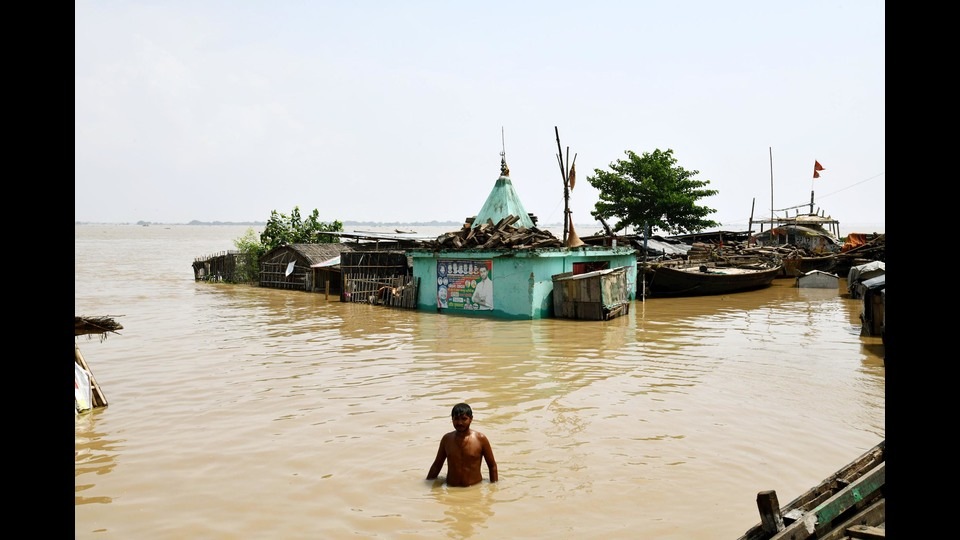
On the floods, Bihar has asked the Centre to frame a national silting policy and revisit the design of the Farakka barrage. Others pin the blame on river embankments for restricting the river during the monsoons and obstructing water from retreating into an embanked river, resulting in prolonging of floods and water-logging.
While the state and Centre discuss flood-related damages and measures to contain it, both also need to consider another aspect. Floods are becoming a recurring danger to the sustainability of the state’s efforts for open defecation-free status. They threaten toilet structures (built under the Swachh Bharat Abhiyan and Lohiya Swachh Bihar Abhiyan) and prevent user-access during difficult times. The lack of sanitation facilities can also lead to contamination of soil, surface water or ground water and create major public health risks.
In a flood-prone state, it is important that governments take into account ecological and hydro-geological variations, flood typologies, location of habitations and floodscapes, to ensure that development funds are not wasted. There are solutions available.
The Phaydemand Shauchalaya (beneficial toilets) are elevated, ensure ecological sanitation by treating excreta as a valuable and manageable resource, protect and conserve water, and sanitise faecal material. This is just one example. But in a climate crisis-hit world, when extreme rainfall events and flooding are becoming the norm, it is crucial to work towards building flood-resilient habitat, which is convergence of different aspects of life – drinking water, sanitation, livelihood, housing, education and health, and infrastructure) to save costs and human lives. India must not fall behind on indicators where it has made progress.


