
 E-Paper



The Shiv Sena crisis may shape anti-defection law
Whichever way EC decides on the crisis, it will have deeper ramifications for both the 10th Schedule and the future of political defections in India.

 Prefer HTon Google


The 10th Schedule of the Constitution was drafted in 1985, under the shadow of rampant defections in north Indian politics. It was aimed at stemming the flow of lawmakers between parties, and was also bolstered two decades later to raise the barriers for defections. Since then, the effectiveness of the anti-defection law has declined as institutional weakness and political machinations have sought to find a way around the costs imposed on the defecting lawmaker, often to the benefit of the establishment.
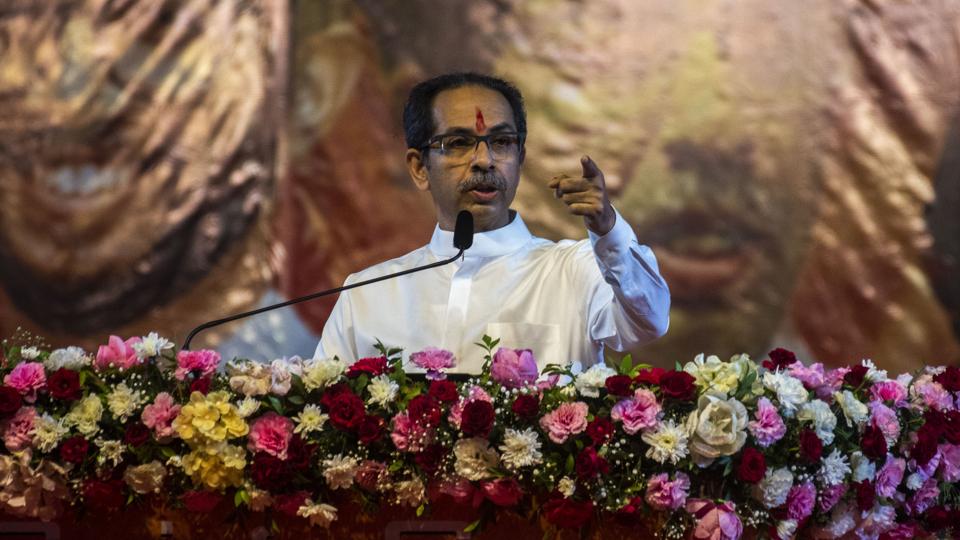
The saga over a split in the Shiv Sena is the latest example of this. A group of Sena leaders defected; their numbers were more than the two-thirds threshold required by law; the parent party initiated disqualification proceedings against half of them and the deputy speaker disqualified them, only for the proceedings to be challenged before the court, along with the deputy speaker’s action; the Supreme Court allowed the Election Commission (EC) to go ahead with its hearing on which faction would lay claim to the original party; and, in the latest twist, the poll watchdog decided to freeze the symbol and party name till its final adjudication, asking both factions to pick new names and symbols.
This has implications because both factions largely derive their legitimacy from their association with the late Balasaheb Thackeray. Further, Uddhav Thackeray may find it difficult to establish a new name, symbol with a far more weakened party, while out of power. Given the stakes, due process within a reasonable timeframe is crucial, so as to not create a fait accompli. Whichever way EC decides, it will have deeper ramifications for both the 10th Schedule and the future of political defections in India.


