
 E-Paper



Vaccinating India’s young
It will provide a boost to the resumption of physical schooling and will also return a sense of normalcy to the academic calendar

 Prefer HTon Google


India’s approval of a vaccine for children between the ages of two and 18 on Tuesday doesn’t come a moment too soon. By the end of this week, three out of every four Indians would have received at least one dose of the vaccine. It’s at this level, 75%, that vaccine drives around the world have started hitting a ceiling. The rest of the population just doesn’t want to be vaccinated. Sure, the Union and state governments should do all they can to address the issue of vaccine hesitancy, but they need to also look at two other objectives: Accelerating the administration of second doses, and expanding the vaccine drive to include people below the age of 18.
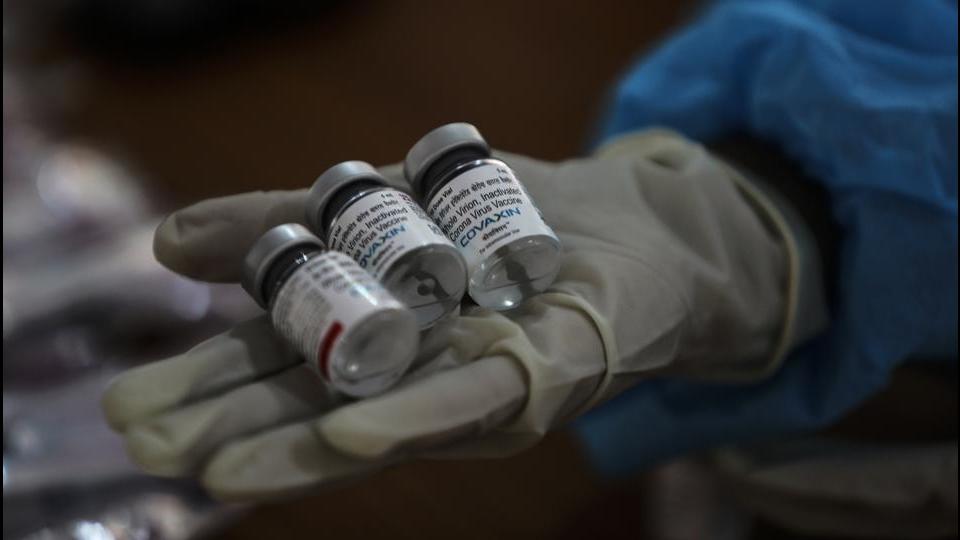
India has already approved ZyCoV-D, a vaccine made by Zydus Cadila, for those between the ages of 12 and 18 (there are around 150 million), although the vaccinations themselves haven’t started. On Tuesday, it approved Covaxin, made by Bharat Biotech, for those between the ages of two and 18 years. There are an additional 250 million Indians in the 2-12 age group. Details including pricing and prioritisation have to be worked out for both vaccines before the drive for younger people can be launched. The government would do well to accelerate this process. Perhaps Covaxin – Bharat Biotech finally seems to have put its production issues behind it and will deliver 50 million doses in October according to the health ministry – can be reserved for use only among younger people (apart from those who have been administered a first shot of Covaxin and will need a second one).
Vaccinating young people will provide a further boost to the resumption of physical schooling. An extrapolation of government data shows that at least 50 million school children do not have access to a device, which means their education is likely to have suffered over the past year-and-a-half. Experts believe the actual number may be higher. It will also return a sense of normalcy to the academic calendar – in terms of high-school and school-leaving examinations, and college admissions, all of which have had to adapt over the past two academic sessions. Meanwhile, with both registrations and the number of people taking first doses plateauing, the government could also consider reducing the gap between two doses of Covishield (the vaccine administered to almost 90% of those who have received a jab) from the current 12 weeks to four weeks. This will help it reach its target of vaccinating the entire eligible (and willing) adult population by the end of the year.


