
 E-Paper



Number Theory: Going after skilled Indian workers in the US may backfire
.
Updated on: Jan 22, 2025, 08:58:33 IST

 Prefer HTon Google
Share via


Copy link

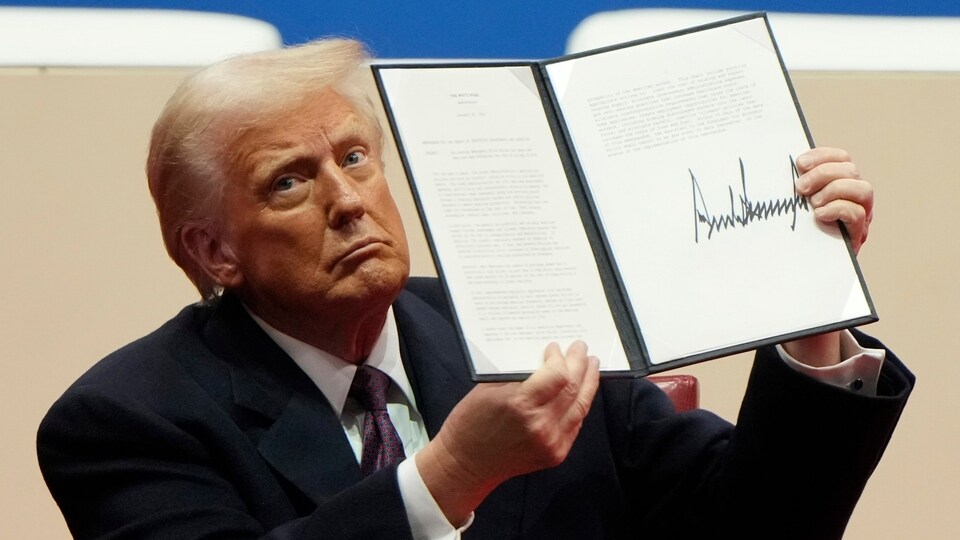
US President Donald Trump signed a slew of executive orders on his first day in office. One of them calls for ending automatic birthright citizenship for children of non-permanent residents in the US. This will include children of H-1B visa holders (the visa given to highly skilled workers and of particular relevance to many Indian tech workers in the US). While the move is likely to run into legal hurdles, given the fact that birthright citizenship is enshrined in the US constitution, the inherent political messaging about making the country a less friendly place for immigrants is clear. Here are five charts which explain why this is a politically convenient but counterproductive strategy for the Trump administration.
Going after skilled Indian workers in the US may backfire
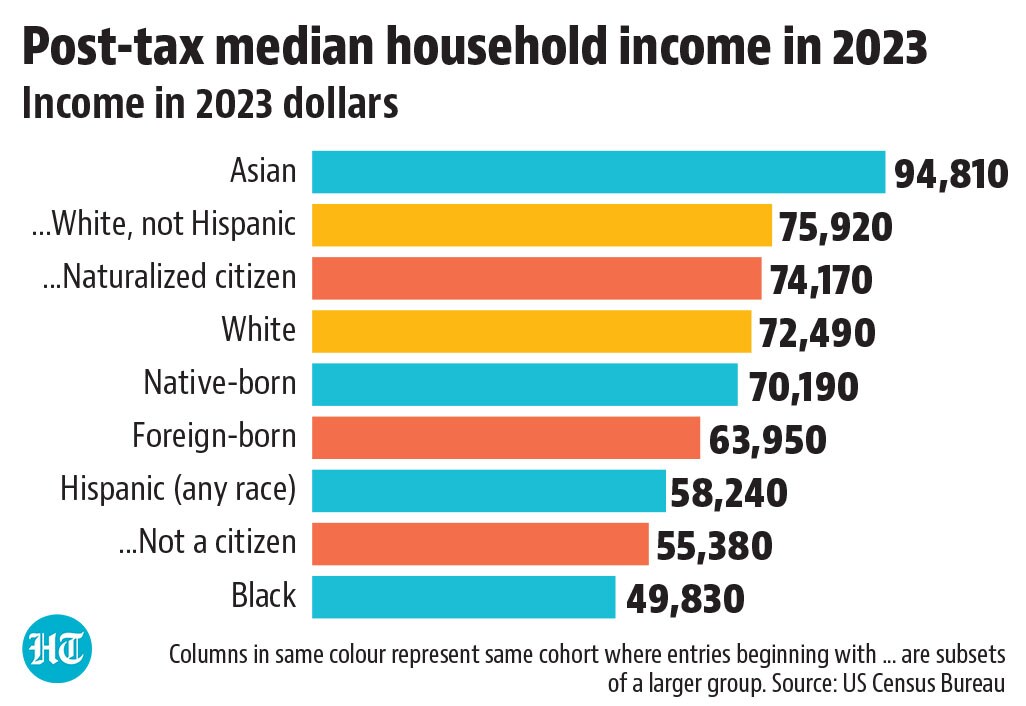
 Naturalised citizens and Asians are among the highest earning categories in the USData from the US Census Bureau makes this crystal clear. Median post-tax household income in the US in 2023 was $69,240. This number is $74,170 for naturalised citizens and $94,810 for households of Asian origin. The median incomes for naturalised citizens are higher than native citizens and that of Asians significantly higher than native citizens including Whites. This makes it easier to build a narrative that people from other countries are coming to US and taking away the best economic opportunities. Trump’s wider coalition has been having a shrill argument about policies such as the H-1B visa programme. While tech billionaires like Elon Musk are defending it, Trump’s original MAGA lieutenants such as Steve Bannon are sharply attacking it.
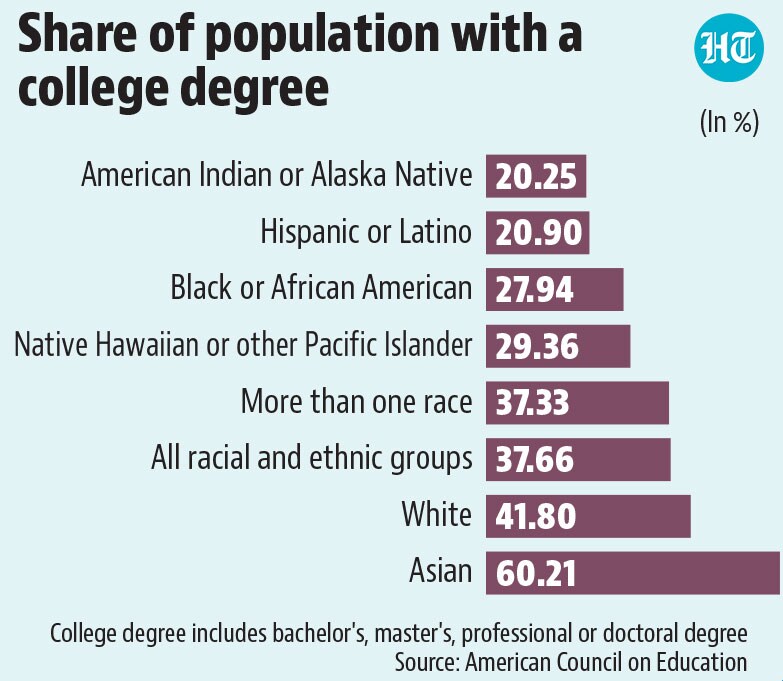
- The income premium by citizenship and race hides the education premiumWhile it is easy to outrage over the fact that naturalised citizens, especially Asians, are taking most of the best paying opportunities in the US, it is important to look at the cause behind the premium these groups enjoy in the US economy. The answer lies in the higher educational status of groups such as Asians and the rising educational premium in the US job market.
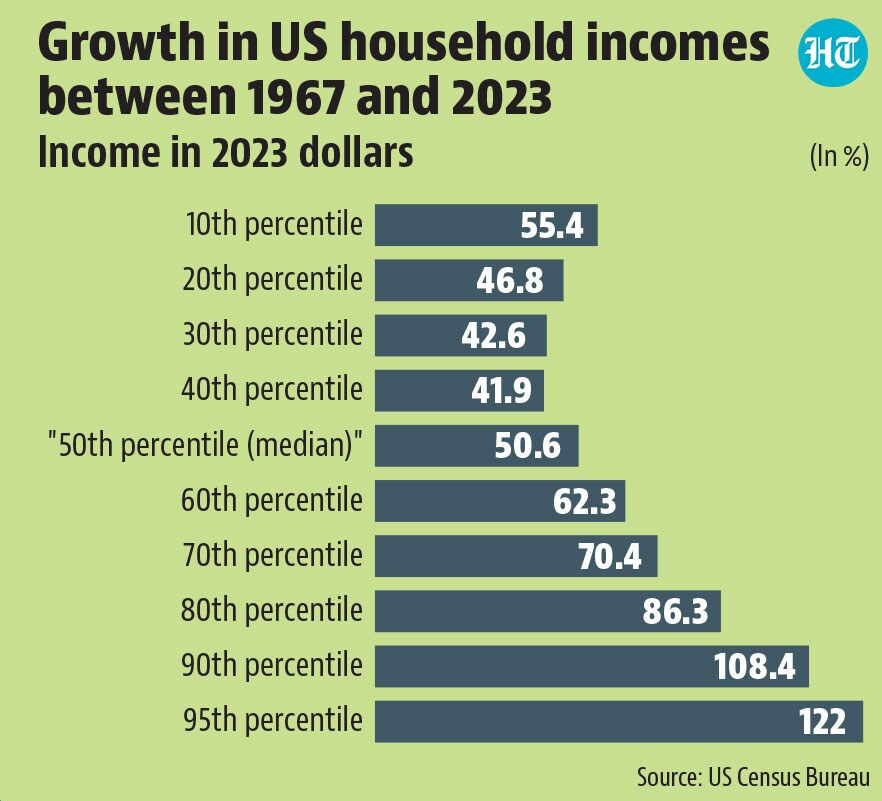
- US’s real problem is a long-term inequality in income growthOnce again, the data is clear. If one were to look at growth in household income at select percentiles in the US, the ones at a the top have had it significantly better than those at the bottom. What makes the US income distribution even more interesting is the fact that the slowest income growth groups are not the ones right at the bottom but the 30th and 40th percentiles. Anecdotally speaking, this would be the white working class which has suffered the most as manufacturing jobs disappeared and erstwhile industrial regions became rust-belts. No wonder, this is the most pro-Trump cohort in the US. Targeting highly skilled workers, whether naturalized or native is not going to do anything about this systemic inequality which basically captures a growing blue-collar versus white-collar divide in the US.
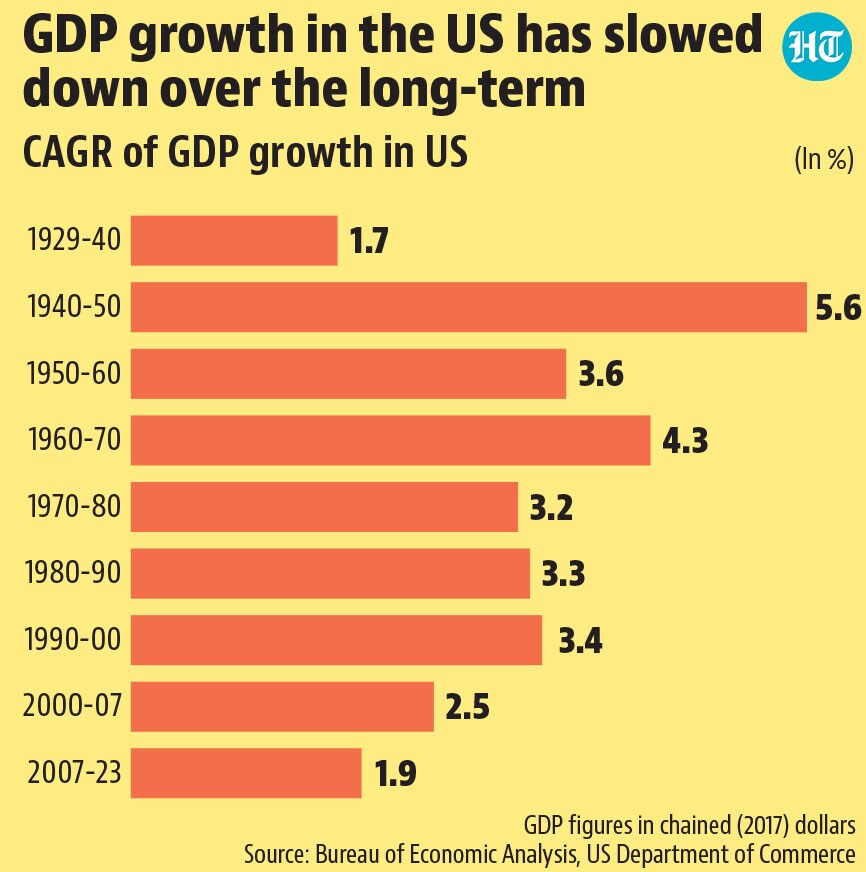
- To be sure, US also has a growth and not just an inequality problemThis is the elephant in the room as far as the US is concerned. What is often lost in short-term comparisons of growth is the fact that the US economy has lost a lot of its growth momentum compared to the period when it actually became a global superpower . A comparison of compound annual growth rate (CAGR) of US GDP from 1929 to 2023 – the period for which these numbers are available – shows this clearly. In fact, the growth of US economy in the period after the 2008 global financial crisis is not very different from the 1930s which followed the Great Depression of 1929. Trump’s central focus should be to boost growth rather than start a witch-hunt which will only distract him from the job .


Unlock a world of Benefits with HT! From insightful newsletters to real-time news alerts and a personalized news feed – it's all here, just a click away! -Login Now!


