E-Paper



Number Theory: Students, Islamists — Did a perfect storm oust Sheikh Hasina?
This survey found overwhelming evidence for widespread dissatisfaction with the state of democracy in Bangladesh and the rule of law in the country.

 Prefer HTon Google


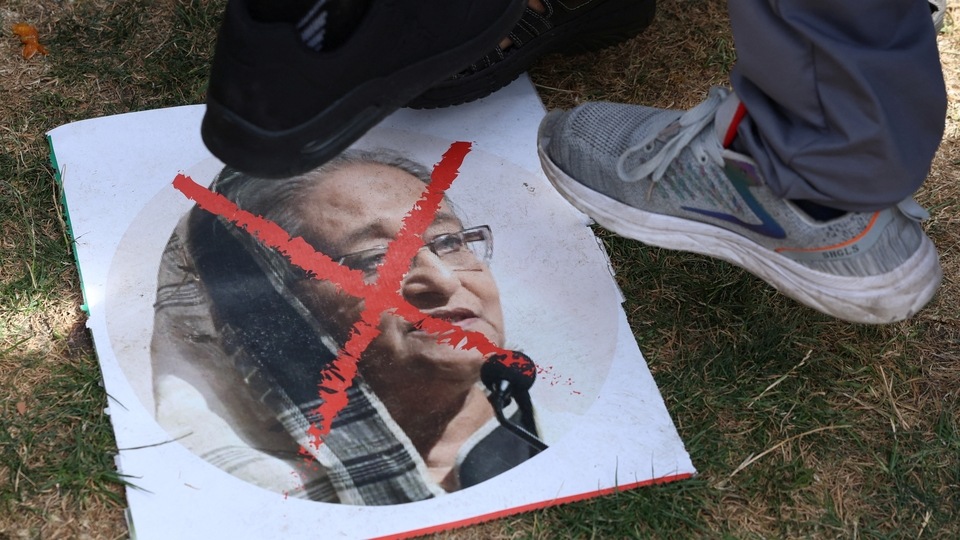
Bangladesh’s future trajectory after Sheikh Hasina’s resignation and flight from the country is still uncertain. At the same time, competing explanations of the protest being student-led, a genuine democratic outburst, or an Islamist counter-revolution are being offered. Without prejudice to what happens in the future, a demographic analysis of Bangladesh suggests that conflicting binaries might not be useful to understand what has transpired in Bangladesh. The survey also found overwhelming evidence for widespread dissatisfaction with the state of democracy and rule of law in the country. Dismissing these genuine concerns by dubbing them as Islamic reactionary politics and unleashing repression might have been Hasina’s fatal mistake which united the progressive, conservative and reactionary sections of Bangladesh against her.
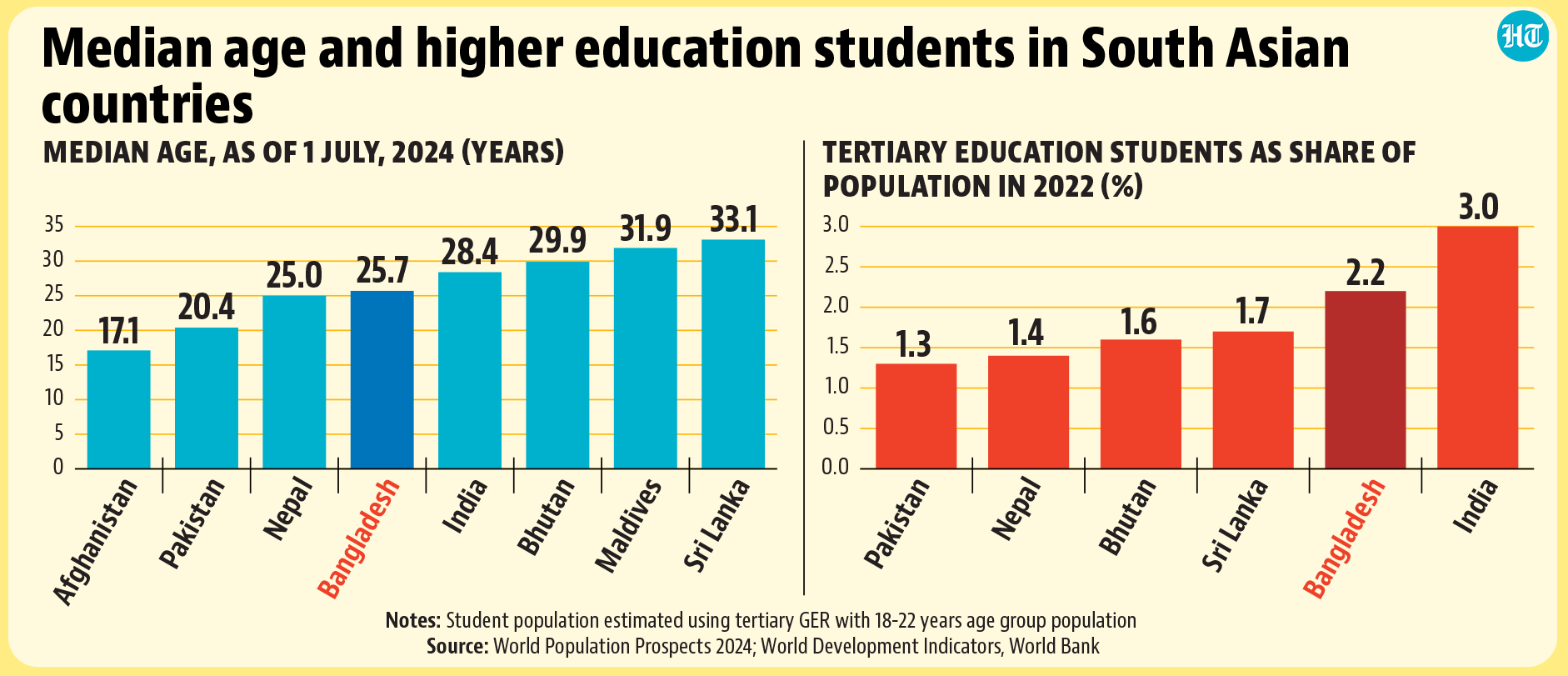
 Are students capable of a bringing a regime change in Bangladesh?A lot of the commentary on the ongoing protests in Bangladesh has described them as being led by students. In fact, a consortium of student bodies called Anti-Discrimination Student Movement has been at the forefront of the protests. Are students capable of shifting politics in Bangladesh? A key metric which can tell us about the feasibility or lack of such a possibility is the median age of the country’s population. Student protests will have more traction in a country which has more young people. Data from United Nation’s World Population Prospects shows that while Bangladesh is among the youngest countries in the world in terms of median age of the population (25.7 years), it is not the youngest in the South Asian region. But a higher enrolment rate than its younger peers means it has more college students (and potential student protestors) than younger countries in the region.
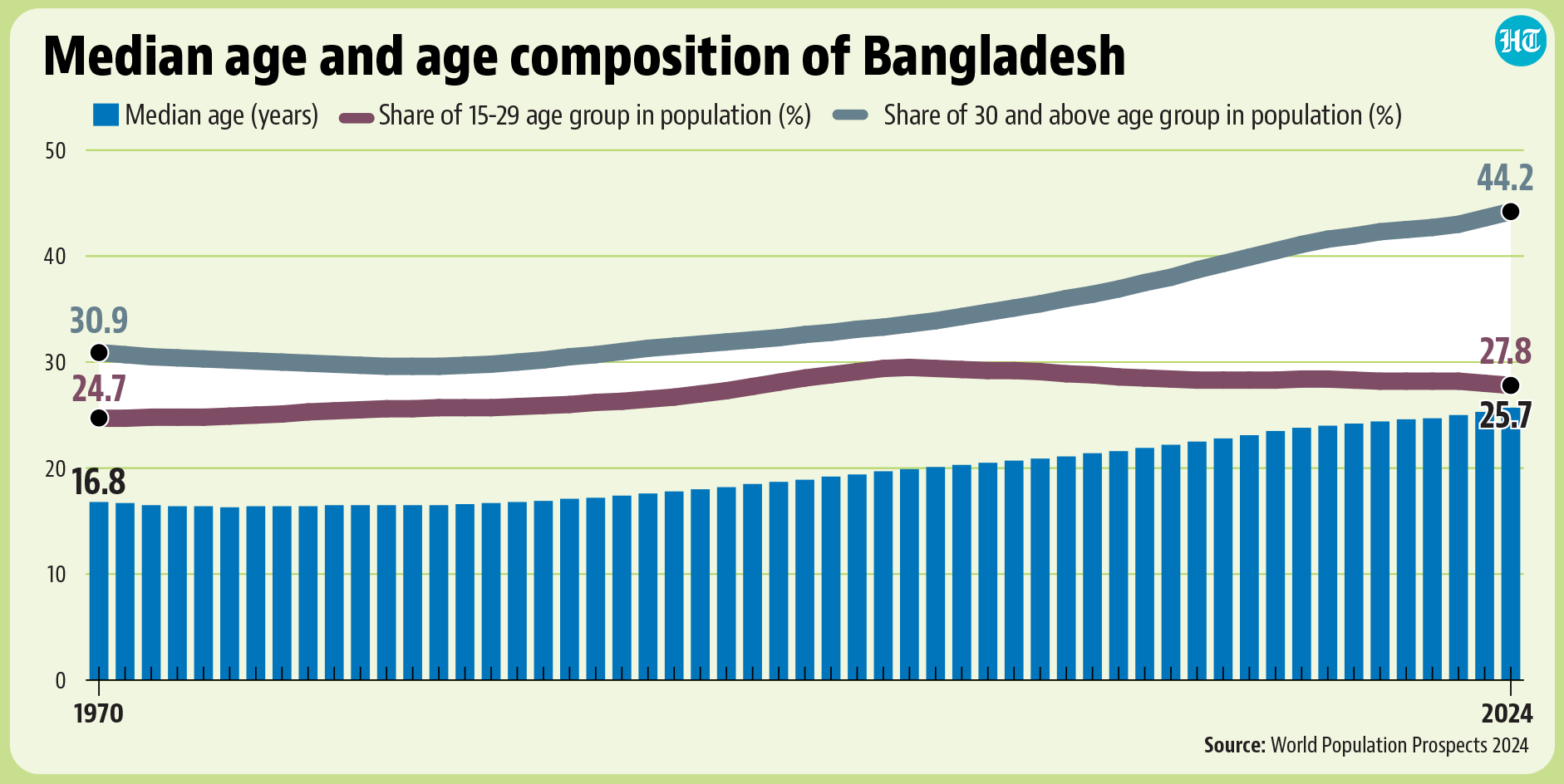
- To be sure, the share of older population is much higher than what it was during the 1971 liberation struggleThis is yet another interesting aspect of Bangladesh’s demographics. The share of the 15- to 29-year-old population in Bangladesh is marginally higher than what it was when the country fought for its liberation war against Pakistan in 1971. However, what is noteworthy is that the share of population which is 30 year or older is significantly higher today than what it was in 1971. This means that the older population has a much bigger role in Bangladesh politics today than it had fifty years ago when the country was formed.
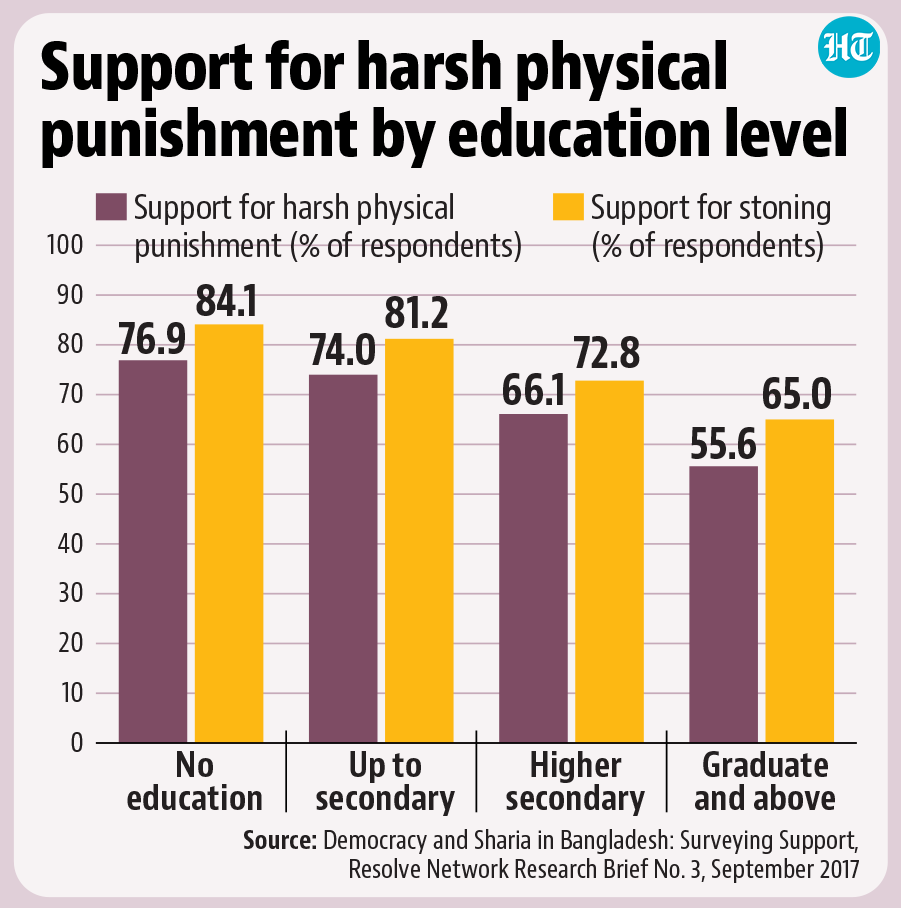
- Support for more Islamic politics in Bangladesh is higher among the less educated…This was among the key findings in a 2017 survey (https://tinyurl.com/bd3vhjp5) conducted in Bangladesh by Ali Riaz and Syed Salima Aziz. Riaz is a professor of political science at Illinois State University and considered among the most eminent scholars on Bangladesh in the US. The survey, which was conducted by the Resolve Network housed at the United States Institute of Peace, found that support for tough religious penalties such as stoning and harsh physical punishment declined with rise in education levels in Bangladesh and fell by almost 20 percentage points among graduates compared to those with no education. To be sure, these numbers were not insignificant for graduates as well. This suggests that it is entirely possible that the students at the forefront of the anti-Hasina protests are entirely driven by Islamic politics.
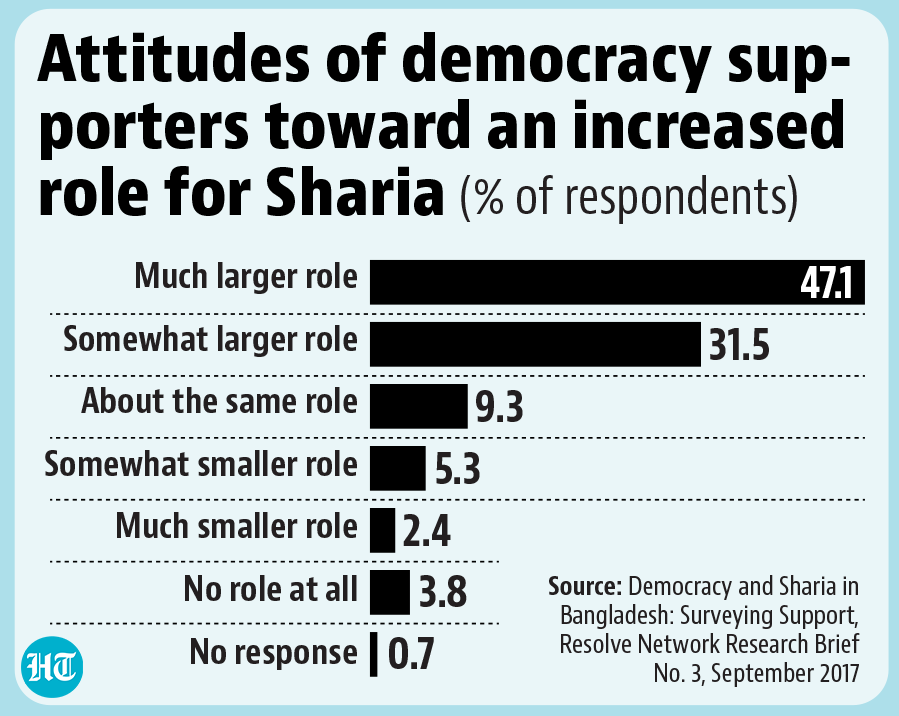
- ... but labelling even pro-Islamic elements undemocratic could have been Hasina’s fatal mistakeThis is among the most crucial takeaways from the survey by Riaz and Aziz. “The survey results do not validate the common perception that support for democratic principles and practices is at odds with support for Sharia. Instead, the results suggest that support for both democratic principles and Sharia can be concurrent,” the report noted. More than 75% of the respondents preferred a “somewhat” or “much larger role” for Sharia in Bangladesh’s legal system. More than 80% of Muslims – they are more than 90% of Bangladesh’s population – responded in favour of large or some influence of religious leaders in the governance process. However, the survey found that this was not necessarily in conflict with support for democratic principles. “Strong democratic principles constitute one of the key aspects of the mindset of the people of Bangladesh. Respondents highly valued the security of individual property rights, elected representation, and judicial independence. These attitudes coexist with overwhelming support for a greater role for Sharia and religious leaders in the legal system and for harsher punishments,” it said.