
 E-Paper



Video games involving exercise can help obese youngsters lose weight

 Prefer HTon Google


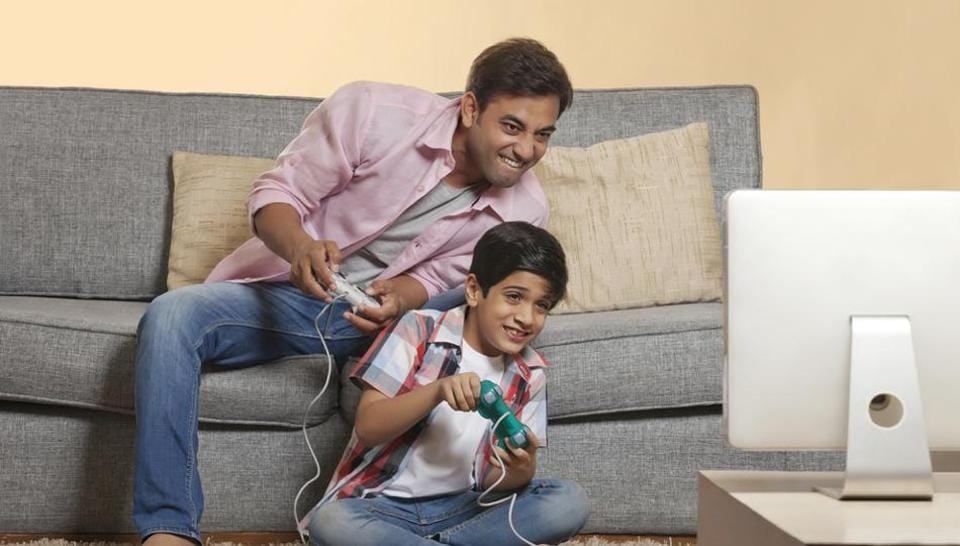
Is your child overweight and addicted to video games? Don’t panic. A new study says that video games in combination with fitness coaching can ensure weight loss in obese kids as well as lower blood pressure and greater physical activity.
Video games may make children couch potatoes and reduce their outdoor time, a new study shows that it can improve the health of obese children. The study was conducted by LSU’s Pennington Biomedical Research Center and showed that video games, in combination with fitness coaching and a step tracker can boost weight loss, lower blood pressure and cholesterol, and increase physical activity of overweight children.
“Kids who gain excessive weight and are not physically active can develop early signs of heart disease and diabetes. They may also struggle every day with asthma, sleep apnea, and the other psychological and health challenges that excess weight and obesity can bring,” said Dr Amanda Staiano, the study’s primary investigator.
Staiano says that screens are everywhere in our lives and are here to stay: “Kids spend half their waking hours in front of screens. I’m looking for ways to use those screens — smartphones, computers, televisions and tablets — to incorporate more physical activity into kids’ lives.”
A previous study done by researchers in Hamilton, Canada, found that in many children and youth, tendencies of high video game addiction ups the risk of sleep deprivation and disorders associated with obesity and poor cardio-metabolic health.
The GameSquad study enrolled 46 children ages 10 to 12 who were overweight or had obesity. The gaming group was encouraged to meet the national recommendations of 60 minutes per day of physical activity. The children received an Xbox 360, Kinect and four exergames (Your Shape: Fitness Evolved 2012, Just Dance 3, Disneyland Adventures and Kinect Sports Season 2) and were asked to play these at their home with a friend or family member for six months.
They also received a “challenge book” to complete three one-hour gaming sessions each week and a Fitbit to track their steps each day. Each child and parent or parents also took part in regular video chats over the video game console with a Pennington Biomedical fitness coach to monitor their progress. The control group members were not asked to make any changes in their behaviour. These families received the exergames and gaming console at the end of the six-month study.
Twenty-two of the 23 families in the gaming group finished the six-month program. Children and parents in the gaming group completed 94% of the gaming sessions and attended 93% of the video-chat sessions. “When you don’t intervene with kids who are overweight, often their health risk factors and health behaviours worsen over time,” said Dr Staiano.
The kids in the control group reported increased blood pressure and cholesterol and decreased physical activity over the six-month period. The children in the gaming group reduced their body mass index by about 3% while the control group increased their BMI by 1% and reduced their cholesterol by 7% while the control group increased cholesterol by 7%. The former also increased their physical activity by 10% while the control group decreased their physical activity by 22%.
The study has been published in the journal Pediatric Obesity.
(With inputs from ANI)
Follow @htlifeandstyle for more


