
 E-Paper



Want to have flawless, glowing skin? Avoid midnight snacking, says study
New research says people who eat late at night may be more vulnerable to sunburn, skin ageing and skin cancer.


If you are planning to go sunbathing, it is advisable to avoid midnight snacks and untimely eating as it might disrupt the skin’s protective ability against the sun’s harmful ultraviolet (UV) radiation, say researchers.
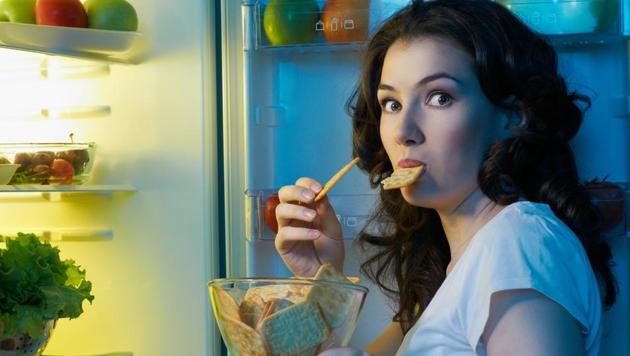
The study indicates that people who eat late at night may be more vulnerable to sunburn and longer-term effects such as skin ageing and skin cancer.
“This finding is surprising. I did not think the skin was paying attention to when we are eating,” said Joseph S. Takahashi, Chairman of Neuroscience at University of Texas Southwestern Medical Center.
In the study, published in Cell Reports, the team showed that mice given food only during the day -- an abnormal eating time for the otherwise nocturnal animals -- sustained more skin damage when exposed to ultraviolet B (UVB) light during the day than during the night.

This outcome occurred, at least in part, because an enzyme that repairs UV-damaged skin -- xeroderma pigmentosum group A (XPA) -- shifted its daily cycle to be less active in the day.
Mice that were fed only during their usual evening times did not show altered XPA cycles and were less susceptible to daytime UV rays, the researchers said.
“It is likely that if you have a normal eating schedule, then you will be better protected from UV during the daytime,” Takahashi said. “If you have an abnormal eating schedule, that could cause a harmful shift in your skin clock, like it did in the mouse,” Takahashi added.
Besides disrupting XPA cycles, changing eating schedules could also affect the expression of about 10% of the skin’s genes. However, more research is needed to better understand the links between eating patterns and UV damage in people, particularly how XPA cycles are affected, the researchers said.
Follow @htlifeandstyle for more
Catch your daily dose of Fashion, Taylor Swift, Health, Festivals, Travel, Relationship, Recipe and all the other Latest Lifestyle News on Hindustan Times Website and APPs.


