
 E-Paper



Delhi Becomes India’s Largest E-Bus Hub as 500 New Electric Buses Flagged Off
Delhi has become India's largest electric bus hub with 500 new buses added to the DTC fleet, bringing the total to over 4,000.

 Prefer HTon Google


Delhi on Sunday strengthened its position as India’s largest electric bus hub with the induction of 500 new electric buses into the Delhi Transport Corporation (DTC) fleet. The buses were flagged off from Ramlila Maidan by BJP national president Nitin Naveen and Delhi Chief Minister Rekha Gupta.
The event also marked the launch of an interstate electric bus service between Delhi and Panipat, aimed at providing commuters with a cleaner and more comfortable travel option.
With the addition of the new buses, the total number of electric buses operating in the national capital has crossed 4,000, making Delhi the city with the largest e-bus fleet in the country. The Delhi government has set a target of increasing this number to 7,500 by the end of 2026 and 14,000 by 2028.
Addressing the gathering, BJP national president Nitin Naveen said that Delhi had received “decisive and accountable governance” under the leadership of Chief Minister Rekha Gupta. He congratulated the Delhi government on completing one year in office and said that the rollout of 500 electric buses reflected a result-oriented approach.
He said earlier governments had focused on announcements and publicity, while the present administration was delivering outcomes on the ground. Naveen highlighted the government’s zero-tolerance policy on corruption, digital transparency, and accountability in governance.
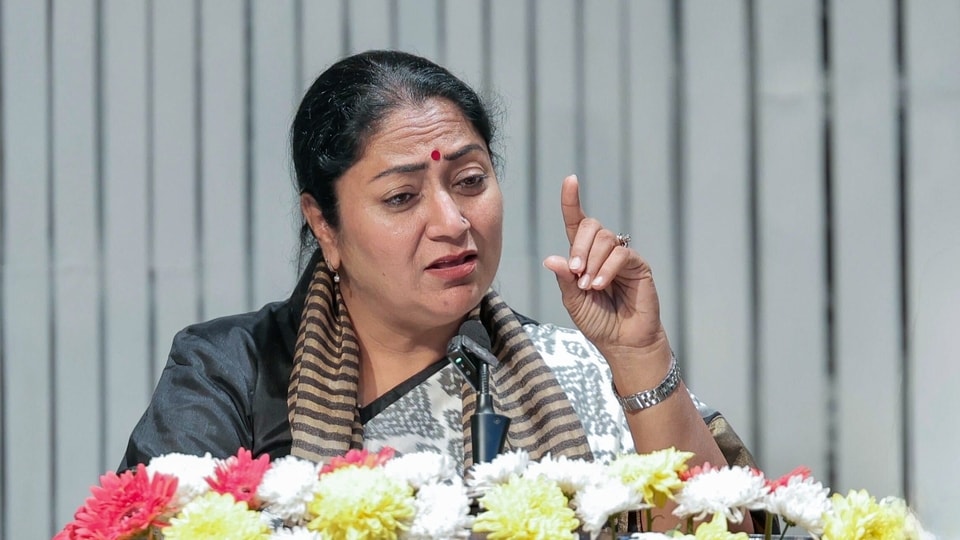
Chief Minister Rekha Gupta described the induction of 500 electric buses at one time as a first in Delhi’s transport history. She said the capital had now emerged as the country’s largest electric bus hub and that public transport reforms were a key priority of her government.
“Modern buses and better facilities for passengers are our performance report card,” Gupta said, adding that the government was committed to building a clean, reliable and future-ready transport system.
She also announced the launch of three new electric bus services on the Delhi–Panipat route, which will benefit thousands of daily commuters. According to officials, the approximately 86-km route will pass through Singhu Border (Delhi and Haryana), Rai, Bahalgarh, Murthal, Ganaur, Samalkha and other major locations.
Gupta said the Delhi government would soon roll out a comprehensive electric vehicle policy to further promote clean mobility. She added that pending EV subsidies amounting to ₹40 crore, which had remained unpaid under the previous government, had now been cleared.
Referring to DTC’s financial condition, the Chief Minister said the corporation had been left with heavy losses and operational challenges earlier, and the current government was taking concrete steps to make it a modern, efficient and financially sustainable public transport system.
Transport Minister Pankaj Kumar Singh said the addition of electric buses would significantly strengthen Delhi’s public transport network and reduce pollution. He said the Delhi–Panipat electric bus service would provide a safe, affordable and environmentally friendly option for interstate travel.
Delhi Tops National E-Bus Rankings
With 4,286 electric buses currently in operation, Delhi has overtaken Maharashtra (4,001 buses) to become the state with the largest electric bus fleet in India. Other states with significant e-bus presence include Karnataka (1,989), Gujarat (1,041), Telangana (875) and Uttar Pradesh (874).
Officials said the achievement positions Delhi as a national model for green mobility and clean urban transport, with a focus not only on fleet expansion but also on connectivity, zero-emission transport and sustainable urban mobility.


