
 E-Paper



Kejriwal backs footballers amid ISL uncertainty, calls for “transparent governance” in sport
Senior Indian footballers issue a joint video appeal seeking FIFA intervention as the 2025–26 ISL remains on hold, highlighting administrative failures.

 Prefer HTon Google


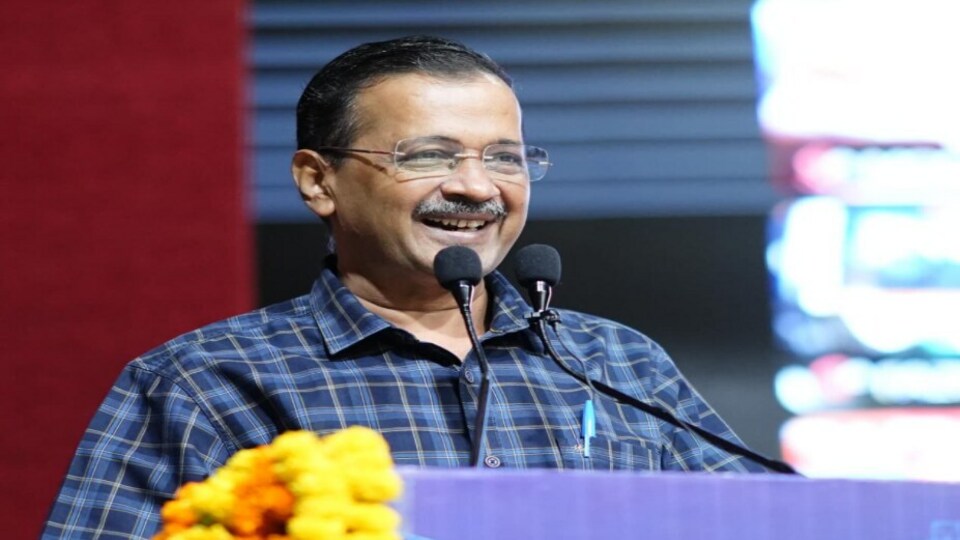
Aam Aadmi Party (AAP) national convener Arvind Kejriwal has publicly supported a group of footballers who have appealed for international intervention amid uncertainty surrounding Indian football’s domestic season. In a post on social media, Kejriwal said the sport needs “transparent governance, accountability and respect for players,” and argued that administrative disputes should not be allowed to disrupt the careers and livelihoods of those involved in the game.
The statement comes as Indian football continues to face disruption linked to the delayed start of the 2025–26 Indian Super League (ISL) season. According to the players’ account, January 2026 has begun without the ISL season kicking off. The release said the league has been on hold since July 2025 and remains indefinitely postponed, leaving clubs, players and staff without clarity on timelines.
The current uncertainty, the release said, extends beyond the postponement of a single tournament. It affects players, coaches, support staff and those working around clubs, along with fans who follow the sport. The release also said that the impact is being felt across multiple levels of the domestic football structure, including the I-League and lower-division competitions.
On January 2, a group of prominent footballers issued a joint video message in which they appealed for intervention by FIFA. The release named national team captain Sunil Chhetri, goalkeeper Gurpreet Singh Sandhu and senior defender Sandesh Jhingan among those who featured in the message. It also referred to participation by some foreign players associated with Indian clubs. The release presented the video appeal as a sign of the depth of the current impasse, with players saying they were compelled to reach out to an international body in order to seek a resolution.
In its account of the situation, the release described the appeal as an indication of wider administrative problems in the governance of the sport. It said the disruption has stalled careers and limited playing opportunities for younger talent. The release also stated that several clubs are facing financial pressure, and that uncertainty has led some foreign players to consider leaving India for other leagues. It added that Indian players and support staff have been left without matches, without regular income and without a clear view of how the season will proceed.
Kejriwal, responding to the broader situation, said Indian football is at a “delicate juncture” and warned that continued delays and unresolved disputes could have long-term consequences for the sport. The release quoted him as saying that when players are compelled to approach FIFA and the government to protect the future of football, it reflects years of mismanagement and neglect in the system. He said that sport should not be driven by “politics and power struggles,” and called instead for a framework based on transparency and accountability.
The release also framed Kejriwal’s remarks as aligned with the concerns of football followers, pointing to empty stadiums and frustration among young players as the season remains stalled. It questioned the role of the Union government in responding to the situation and suggested that the future of players and the sport should not be determined by administrative or political disputes.
While the release adopted a critical tone towards those responsible for the sport’s administration, it also focused on what it described as the immediate concerns of players and staff. It said the footballers involved were not making demands beyond the basic ability to play and to receive professional respect. It argued that India’s football community, including supporters, deserves a functioning and stable domestic structure that allows competitions to proceed on schedule.
The release concluded by urging authorities to take corrective steps and to prioritise the sport and its stakeholders over political considerations. It said the crisis could affect not only the current season but also the longer-term development pipeline, including the aspirations of younger players who rely on regular competition to progress.


