
 E-Paper



Lights, Thrill, Innovation: World Pickleball League 2026 sets a new benchmark as the biggest pickleball festival
WPBL Season 2 marked a transition from promise to proof, featuring seven teams and 120 matches.

 Prefer HTon Google


The second season of the World Pickleball League (WPBL) concluded on February 8 in Mumbai with a thrilling edge-of-the-seat final that saw Dilli Dillwale emerging champions after upsetting table-toppers Chennai Super Champs, capping a season defined by competitive depth, fan-first presentation and a celebrity-backed ecosystem that elevated the spectacle beyond sport. Held at Jio World Garden, the 2026 edition of WPBL marked a clear step forward from its inaugural season, establishing itself as the world’s biggest pickleball festival, guided by the long-term vision of founders Gaurav Natekar, an Arjuna Awardee and two-time Asian Games gold medalist, and Arati Ponnappa Natekar, former India No.1 in tennis.
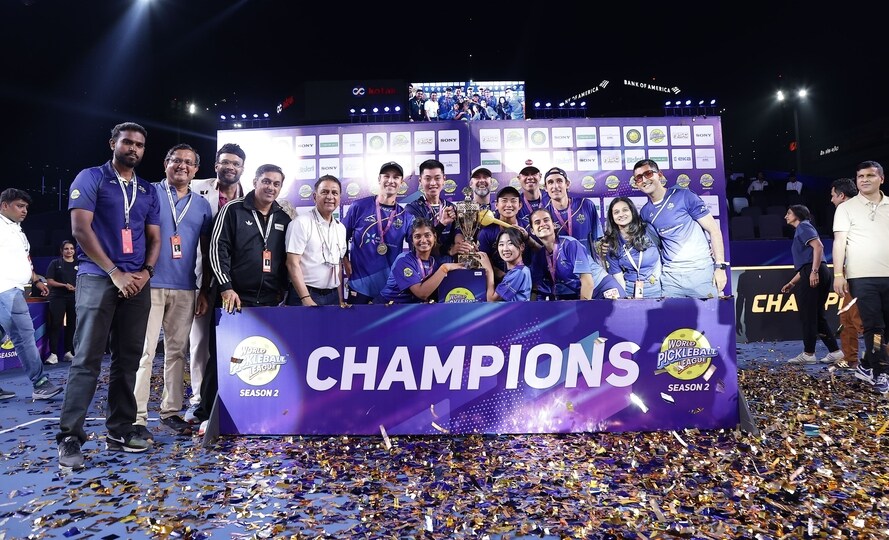
A final shaped by strategy and composure
The title clash reflected the broader rhythm of the season. Chennai Super Champs entered the final as league leaders, having set the pace during the league stage. Dilli Dillwale, however, delivered a composed performance under pressure, combining tactical discipline with timely aggression to secure the championship.
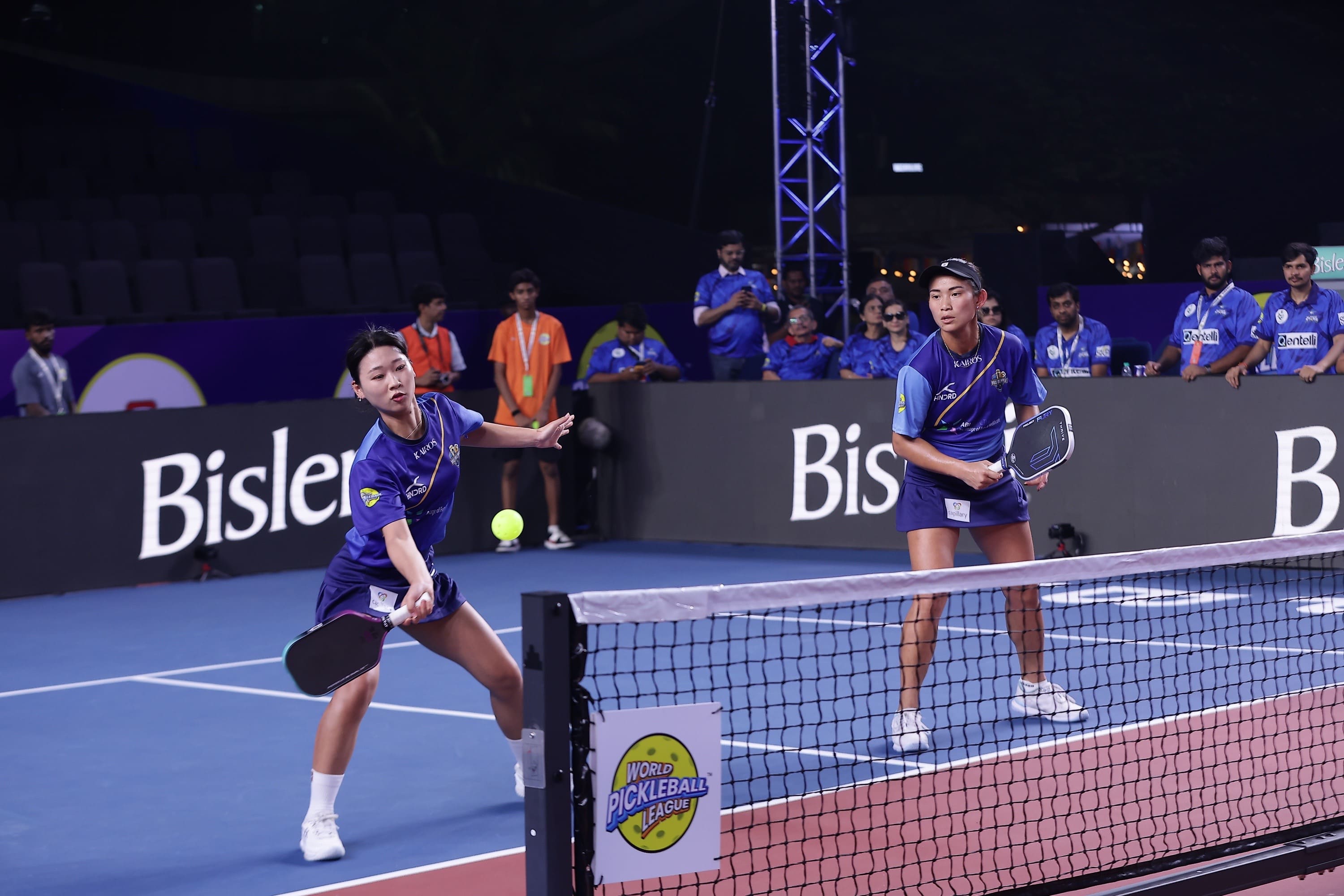
In a format where matches can turn on narrow margins, Dillwale’s consistency stood out. Their campaign was built on balance and an approach that proved decisive in the closing stages of the tournament. At no stage did they appear rattled; a reflection not just of on-court strategy but of a structured ownership group led by Terra Invest, a private equity firm, alongside Sunil Gavaskar, Ashok Amritraj and a clutch of other investors. The win also highlighted the increasing professionalism within franchise setups, where preparation, squad depth and decision-making are beginning to mirror mature league structures.
Season 2 by the numbers
WPBL Season 2 expanded meaningfully in scale. The league featured seven teams-up from six in its debut edition-with the addition of the Rajasthan Titans. Over 13 days, 120 matches were played, an increase from the 90 matches in Season 1, with 56 players representing 18 countries.
The expanded format delivered sustained competitiveness. Playoff spots remained undecided until the final day of the league stage, and several matches were settled by fine margins, reinforcing the growing parity among teams. This competitive balance has been central to the league’s credibility, ensuring that outcomes are driven by performance rather than reputation.
Positioning pickleball for mainstream attention
WPBL’s differentiation lies in how it has positioned pickleball in India, not merely as a sport, but as a premium sportainment property.
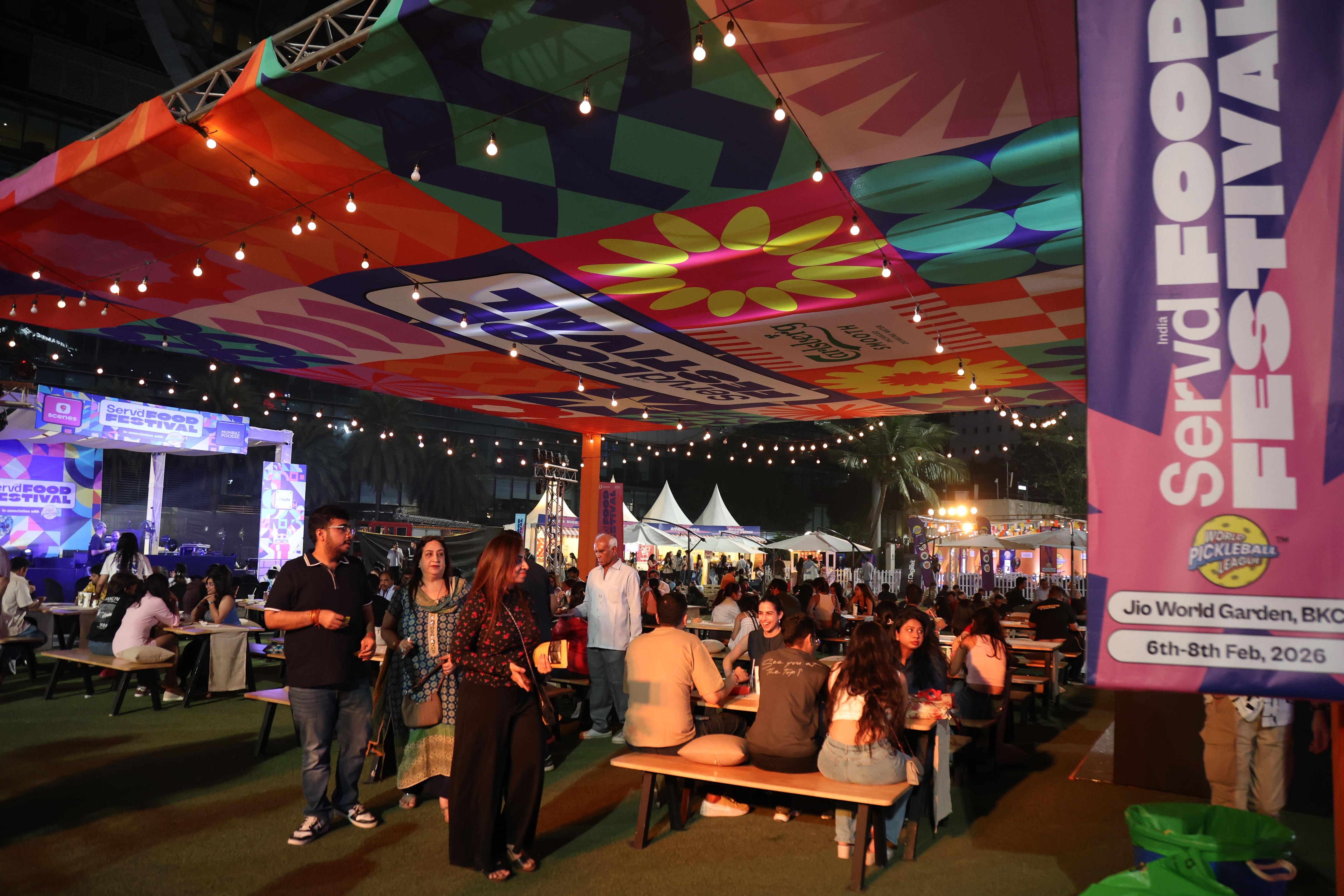
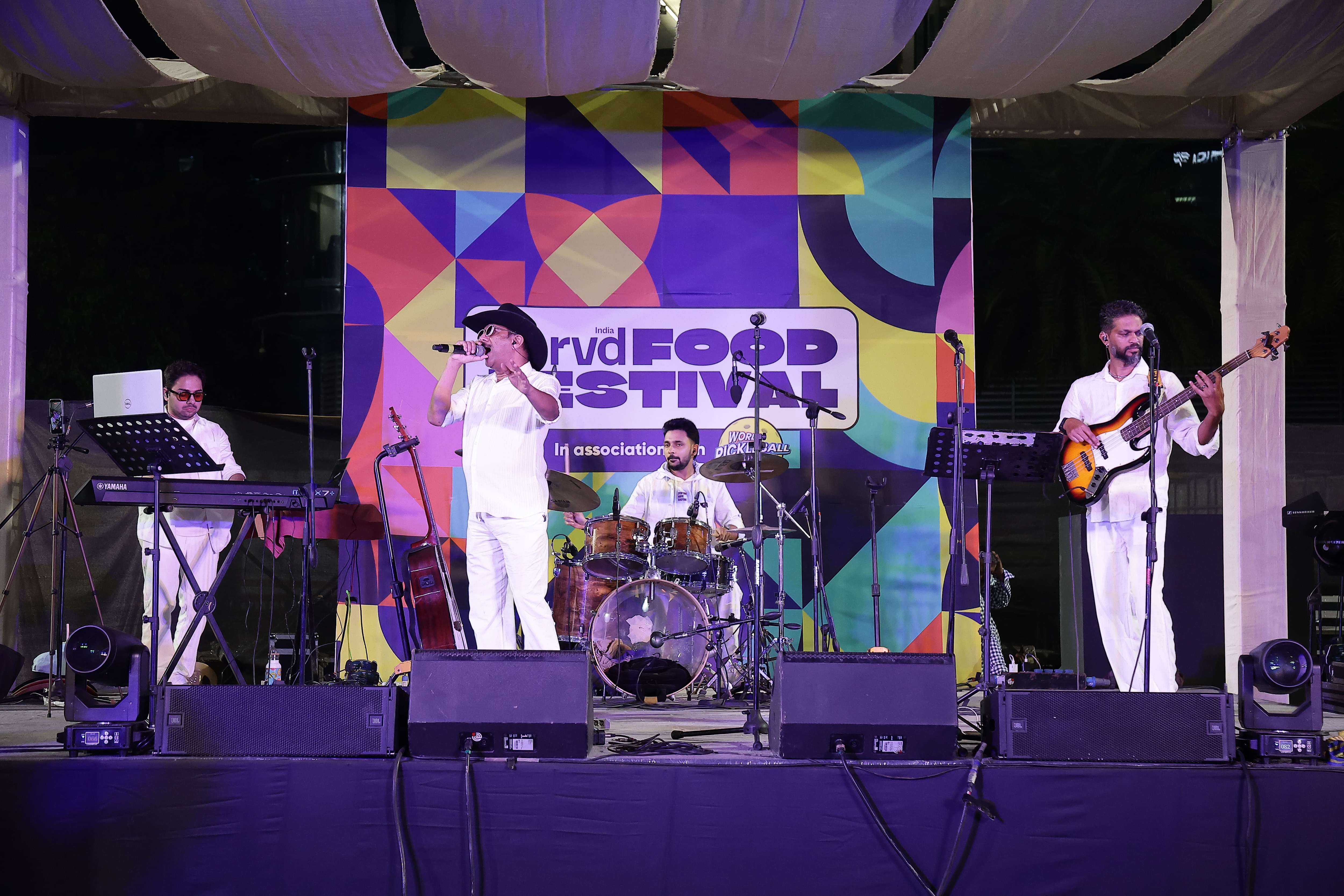
The 2026 edition doubled down on that model. International-level competition ran alongside curated fan experiences, like the Servd Food Festival, creating a festival-like atmosphere around matchdays.
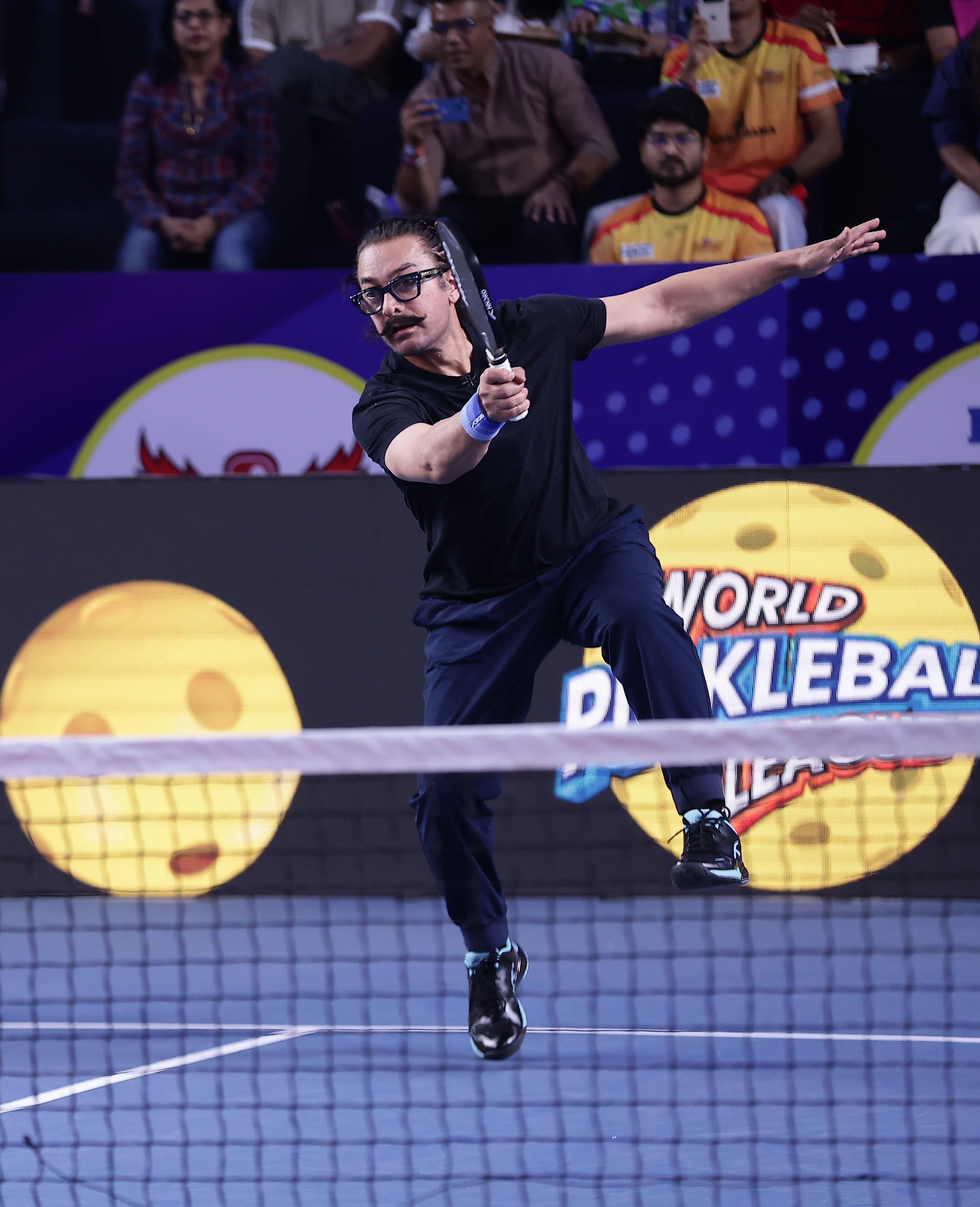
Activations such as Celebrity Pickle Showdown, Battle of Clans, and moments like Aamir Khan stepping onto court with fans expanded the league’s reach well beyond core sporting audiences. These efforts were complemented by WPBL’s ongoing ‘On Tour’ initiatives, which continued to take the sport into multiple Indian cities between seasons, reinforcing grassroots engagement.
Digital reach and broadcast visibility
Season 2 also marked a notable step forward in WPBL’s media footprint. With broadcast coverage on Eurosport India reaching 70 million homes in India and digital streaming on Sony LIV, the league gained access to a wider national audience. Digital platforms played a significant role in extending reach, with match highlights, behind-the-scenes content and player-led storytelling sustaining engagement throughout the season.
According to league data, WPBL’s digital content recorded strong viewership with around 10 million+ views across platforms during the tournament window, reflecting pickleball’s growing resonance with younger, digitally native audiences. For a sport still building its fan base in India, consistent digital visibility has emerged as a key growth lever.
Commercial confidence and ecosystem growth
The league’s second season also saw increased commercial participation, attracting a strong roster of partners including Tata Harrier EV, Bisleri, Johnnie Walker and Eka Mobility, among others, brands that align with innovation, mobility, lifestyle and premium positioning. The diversity of partners signalled rising corporate confidence in pickleball as a scalable sports property.
What Season 2 means for pickleball in India
If Season 1 established the World Pickleball League as a proof of concept, Season 2 offered proof of sustainability. The league demonstrated that pickleball, when presented with competitive seriousness and consistent engagement, can attract audiences, athletes and partners alike. The presence of top international players has further raised competitive standards, while domestic athletes continue to gain exposure to higher levels of play.
The final, with Dilli Dillwale’s measured victory over Chennai Super Champs, served as a fitting conclusion to a season built on close contests and evolving narratives. More importantly, it reinforced the idea that professional pickleball in India is no longer speculative-it is structured, competitive and gaining momentum.
As the World Pickleball League continues to scale competitively and commercially with the vision of its founders Gaurav Natekar and Arati Ponnappa Natekar, Season 2 will be remembered as the year it moved from promise to proof, establishing itself as one of India’s most forward-looking emerging sports properties.
Note to the Reader: This article has been produced on behalf of the brand by HT Brand Studio and does not have journalistic/editorial involvement of Hindustan Times.


