
 E-Paper



First confirmed case of malaria jolts health department into taking action
Last year, cases of malaria decreased as compared to the previous years. According to health department data, hospitals in the district received 30 cases in 2018 as compared to 48 cases in 2017, 36 in 2016 and 44 in 2015.


The year’s first case of malaria was confirmed on Tuesday, when a 38-year-old man, a resident of Sector 56, tested positive for the vector-borne disease.
According to health department officials, the man was admitted to a private hospital in the city on April 1 and was suffering from high fever. A blood test confirmed the disease, the officials said, adding that more than 50 houses near the man’s house were checked for breeding of mosquitoes.
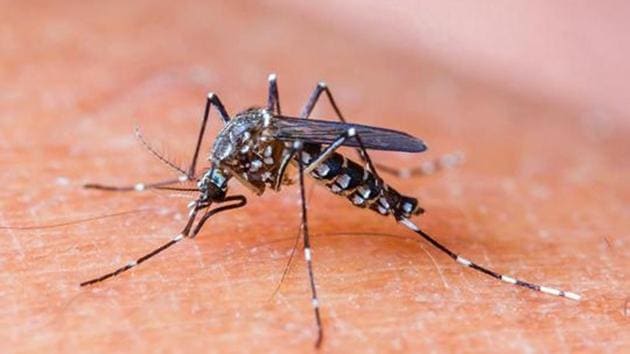
Malaria is a mosquito-borne disease transmitted through the bite of the female Anopheles mosquito. The period of greatest risk over the past few years in the city has been between April and November due to warmer, wetter weather, health department officials said, adding that the number of cases is expected to rise this month.
Dr Jai Bhagwan Jatain, district malaria officer, said the department is gearing up to tackle the threat of vector-borne diseases, such as dengue and malaria this year.
Last year, cases of malaria decreased as compared to the previous years. According to health department data, hospitals in the district received 30 cases in 2018 as compared to 48 cases in 2017, 36 in 2016 and 44 in 2015.
However, the total count of dengue cases in 2018 touched 93—highest in the past three years. In 2017, the number was 66, while 86 cases were reported in 2016.
“Anti-larval operations have begun in the district. More than 63 workers and 18 health inspectors are going door-to-door to check mosquito breeding and destroy potential sources of breeding,” said Jatain.
He added that more people are being recruited to carry out spraying near houses where a case of a vector-borne disease has been confirmed.
Officials also said they have started the process of introducing gambusia fish in stagnant water bodies.
The fish, also called mosquito fish, feeds solely on mosquito larvae and has a lifespan of four years. A single, fully grown gambusia fish eats about 100 to 300 mosquito larvae per day. It is introduced into the water bodies by the department four times a year, usually when it reaches the size of 30mm. “The first batch has been released in 61 of 153 water bodies,” said Jatain.

Stay updated with all the Breaking News and Latest News from Mumbai. Click here for comprehensive coverage of top Cities including Bengaluru, Delhi, Hyderabad, and more across India along with Stay informed on the latest happenings in World News.


