
 E-Paper



Photography through the centuries
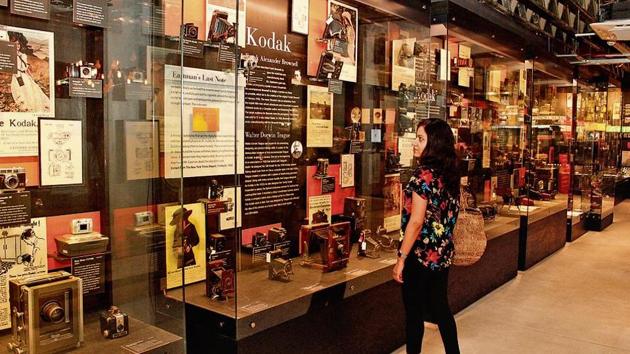
From Eastman Kodak’s multiple folding brownies and the 50-kg, five-foot lacquered brass studio outfit cameras to Thornton-Pickard’s iconic imperial triple extension cameras and Zeiss Ikon’s twin-lens reflex cameras, the museum is a repository of vintage cameras.


With the inauguration of the Museo Camera, an 18,000-square-foot camera and photography museum in DLF-3, the city has become the host to the largest dedicated camera museum in the country.
The museum, which was originally to open in November 2017, was inaugurated by chief minister Manohar Lal Khattar on Wednesday.
The museum, a joint venture between the Municipal Corporation of Gurugram (MCG) and photographer Aditya Arya, has a distinct industrial feel to it, with its high ceilings and, iron and wood staircases. While the land and infrastructure were provided by the MCG, the colossal collection of 2,500 cameras and photography equipment belongs to Arya, a visual historian.
The facility comprises three floors and takes visitors through an immersive photography experience. At the entrance is a statement chandelier, made out of over 50-odd cameras. The ground floor is dedicated to the history of photography. Visitors can see the vividly illustrated timeline and milestones in the invention and evolution of photography, from the first camera obscura to the current digital cameras powered by the latest technology. From Eastman Kodak’s multiple folding brownies and the 50-kg, five-foot lacquered brass studio outfit cameras to Thornton-Pickard’s iconic imperial triple extension cameras and Zeiss Ikon’s twin-lens reflex cameras, the museum is a repository of vintage cameras across the decades and centuries.
One can also view the different apertures, shutters, lenses, photographic film, enlargers, light meters, some of the first-ever photographic images referred to as daguerreotypes and tintypes, and the once-indispensable semi-centennial stands used with early 19th-century grand portrait cameras. Arya said he collected all the equipment over a span of 35 years, from various countries, including England, France, Germany and Japan.
The first floor of the museum houses two exhibition galleries and a lecture hall. The wooden walls lining the staircase contain back-lit shelves, glass cases of sepia-toned and black-and-white portraits of actors, politicians, royal family members and other eminent Indian personalities of the bygone eras. While the climb takes visitors through another era, the first floor of the museum is a space for budding as well as veteran photographers. Comprising two exhibition galleries and a lecture hall, it is a platform for photographers to display their work. Currently, the museum is exhibiting Aravalli scape — a collection of photographs of the Aravallis clicked by 14 photographers.
Arya, who credits many for making his dream of a photography and camera museum come true, said, “It’s only because of the city residents and a few IAS officers, who believed in my vision, that it could materialise today. The Aravallis are the lungs and heart of the city in a way. So, we hope people enjoy our first exhibition, which is all about humans, water, animals and life in the Aravallis.”
Found enjoying the exhibits and the curious corners of the museum was its first visitor, Neeti Mehra. A sustainability consultant and photography enthusiast, she said she found the trip to the museum enlightening.
“It is a great place for budding photographers, due to the kind of knowledge and cameras it contains. It is also a platform that has got the government and public together, which is fantastic and the need of the hour. I hope such a model will be replicated in other cities too. The museum also adds immensely to the city’s cultural fabric.”
The museum will be open seven days a week and visitors will have to buy a ticket for the museum. Arya said, “We haven’t started selling tickets at present, but we will soon have it. There will also be talks, discussions and workshops related to photography.”
The café and shop in the museum will also be opened soon, where visitors can purchase photography-related mementoes, rare prints and film rolls, among other items.

Stay updated with all the Breaking News and Latest News from Mumbai. Click here for comprehensive coverage of top Cities including Bengaluru, Delhi, Hyderabad, and more across India along with Stay informed on the latest happenings in World News.


