
 E-Paper



An age-old issue: Here’s how to look as young as you feel

 Prefer HTon Google


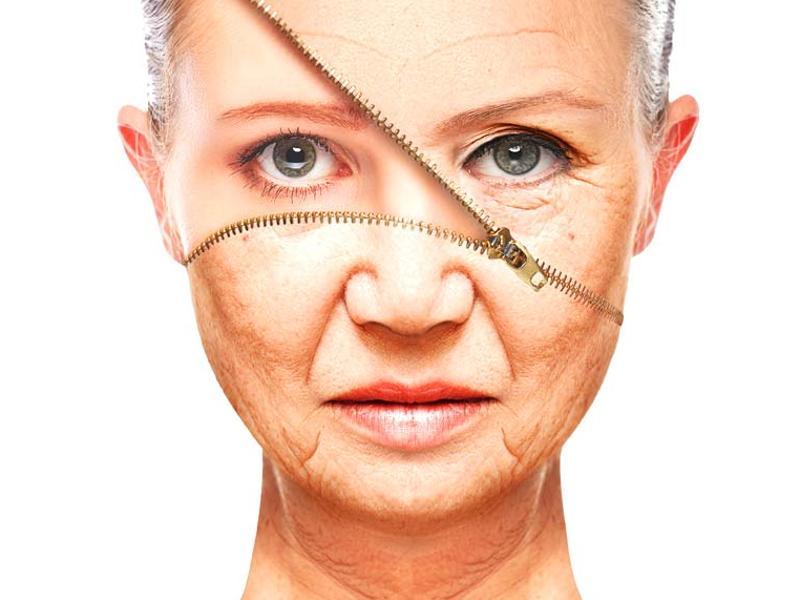
It’s all in the genes, say experts, which means people with overzealous ageing genes need to work harder at looking as young as they feel.
Everyone ages, some more visibly than others. You don’t need school reunions and Facebook posts to notice how some people shrivel at age 40 while others look effortlessly creaseless at 50. It’s all in the genes, say experts, which means people with overzealous ageing genes need to work harder at looking as young as they feel.
Wrinkling is not just a superficial process but it actually reflects the road map of your overall health and fitness status. You cannot expect to have a radiantly young skin while the rest of you feels too old to get out of bed each morning. What cause wrinkles is a combination of factors: The dermis (inner layer of skin) becomes thinner with age because cell division slows down. The network of elastin (the protein that causes the skin to stretch) and collagen fibres (the structural proteins in the skin) that support the outer layer, also loosen, causing the skin to sag. So with ageing, skin loses its elasticity and its ability to retain moisture, factors that get aggravated by smoking and exposure to sun and air pollution.
Testing age
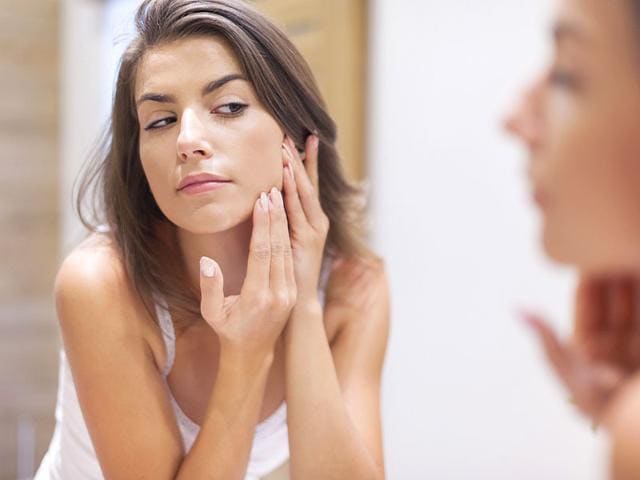
Now there’s a genetic test to assess how well or badly your body is ageing to predict when you are likely to die, reports a team at the King’s College London in the journal Genome Biology. Saying that “biological age” is a more useful predictor of health than how old you are, the test compares the behaviour of 150 genes to identify an ageing signature in cells and identify those at high-risk of ageing faster and developing age-related disorders, such as dementia. The study found that the final diagnosis of how you age can be done by combining biological age and how you live your life.
Exotic is not better
For most people, looking and staying healthy takes work. While the more adventurous are experimenting with therapies bordering on the bizarre, such as injecting serum derived from the placentas of aborted babies, choosing vampire “blood” facials and blood transfusions using blood of young donors, the conservative majority depend on mundane options such as slathering anti-ageing creams and popping vitamins, minerals and antioxidants.
Read: Sit less, live longer: Why sitting is terrible for you
Though many face creams have vitamins established to have potent antioxidant effects, very few can actually stop or reverse ageing on application because the active ingredient -- the stuff that fights ageing -- is present in concentrations so low that they have no effect on the skin.
Anti-ageing creams, or any other creams for that matter, prevent the skin from drying up, but traditional oils such as coconut, mustard or olive work just as well, as long as you don’t mind smelling like yesterday’s leftover lunch.
Vitamin boost
Some of the basic components found in most creams are vitamin A derivates and natural acids that peel of the sun- and wind-damaged outermost layer of the skin to fade fine lines, but the effect lasts only till use is continued.
The most common vitamin A-derivative in anti-ageing creams is retinal. Retinol’s stronger counterpart is tretinoin, which is the active ingredient in retin-A and renova. Anti-ageing creams with Vitamin A-derived tretinoin as an active ingredient smoothens fine wrinkles, minimises brown pigment pockets and improves texture. If your skin is sensitive to the stronger-acting Retin-A, retinol is a good alternative.
Alpha-hydroxy acids (glycolic, lactic, tartaric and citric acids) and beta-hydroxy acid (salicylic acid) remove fine lines, irregular and age-related pigmentation but increase sun sensitivity, so using sun protection is a must to prevent redness and itching.
Age-busting foods

“Anti-ageing” diets include fruits (oranges, lemons, etc) and colourful fruits and vegetables such as broccoli, zuccini, spinach, papaya etc. Vitamin E is excellent for the skin when eaten from natural sources such as in vegetable oils such as sunflower oil, grains, oats, nuts, and dairy products but capsules should be taken only on prescription as too much can be toxic.
Read: Five surprising diseases that threaten your heart
Recent animal studies have found that selenium – a mineral found in whole grain cereals, seafood, garlic and eggs -- is taken orally or through the skin in the form of L-selenomethionine, protects against skin damage and preserves tissue elasticity.
High fitness levels helps to make the skin supple as exercise increases oxygen supply to the skin’s cells and boosts rejuvenation.
Ageing begins at your late 20s and 30s and since it’s easier to prevent than reverse skin damage, you should perhaps give more thought to what you eat and how you lead your life.


