
 E-Paper



New ‘guided missiles’ engineered as alternative to chemotherapy


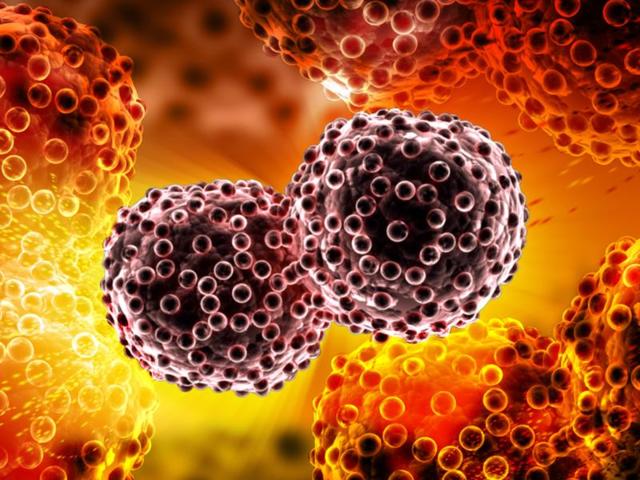
Scientists have engineered novel proteins that work like ‘guided missiles’ which seek out cancer cells and deliver chemotherapy drugs to treat hard-to-reach tumours without harming healthy cells.
Scientists have engineered novel proteins that work like ‘guided missiles’ which seek out cancer cells and deliver chemotherapy drugs to treat hard-to-reach tumours without harming healthy cells.
Although chemotherapy drugs do often effectively kill cancer cells, they also damage other quickly dividing cells in the body, causing side effects ranging from cosmetic, like hair loss, to disabling.
Sometimes, the drug dose needed to kill a tumour may be more than what a person’s body can handle.
Read: Breads you eat every day contain cancer-causing chemicals: Study
This might happen if the tumour does not have much of a blood supply and very little of the drug, which is delivered through the bloodstream, can get in.
A dose high enough to infiltrate the tumour could be deadly to other cells in the body.
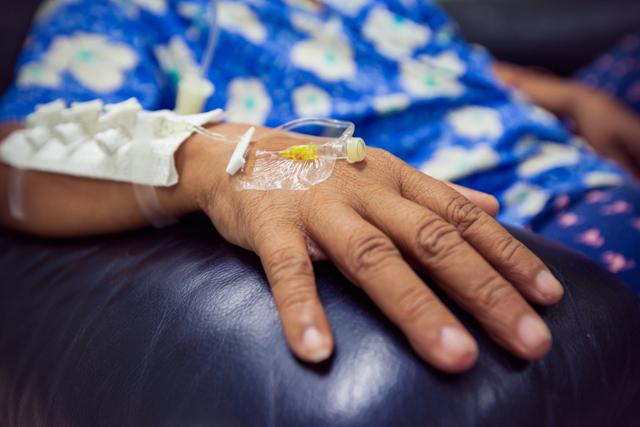
Some recently approved therapies get around this problem using antibodies to deliver a drug directly to tumours, bypassing healthy cells and possibly overcoming some of the uglier aspects of cancer chemotherapy.
Now Jennifer Cochran, associate professor at Stanford University in the US, has built on this antibody approach using an engineered protein rather than an antibody to direct the drug to the tumour.
Read: New guidelines will boost cancer trials, say doctors
Although the two techniques are conceptually similar, the specialised protein has the potential advantage of being able to pass through the barrier that protects the brain, thereby being able to treat brain tumours.
It is also smaller than the antibody and might be able to reach dense tumours with little blood supply.
“Antibodies can be limited for treating solid tumours because they are too big to penetrate well. The idea is that a smaller molecule could diffuse into the tumour better,” Cochran said.
Read: Coffee not a carcinogen, but ‘very hot’ drinks may cause cancer: WHO
The researchers are still exploring which of the two approaches will be most effective.
The findings were published in the journals Molecular Cancer Therapeutics and Angewandte Chemie.
Follow @htlifeandstyle for more
Catch your daily dose of Fashion, Taylor Swift, Health, Festivals, Travel, Relationship, Recipe and all the other Latest Lifestyle News on Hindustan Times Website and APPs.


