
 E-Paper



Playing Tetris can help in prevention of post-traumatic stress disorder


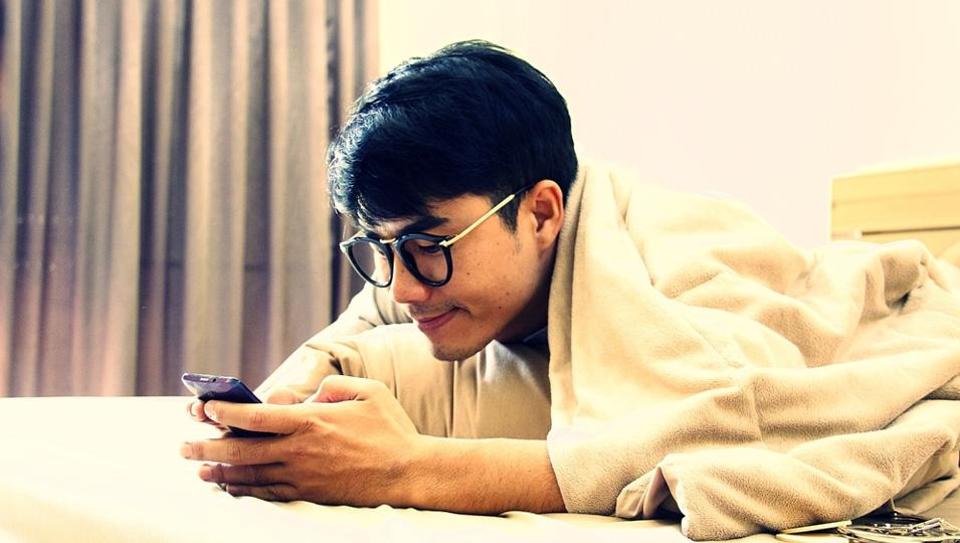
Since Tetris is visually demanding, it can prevent the intrusive aspects of traumatic memories from becoming established by disrupting a process known as memory consolidation, say researchers.
Playing the video game Tetris hours after a distressing incident may help prevent the symptoms of post-traumatic stress disorder (PTSD), a new study has found.
Researchers including those from Karolinska Institutet in Sweden studied about 71 motor vehicle accident victims, of whom half received the intervention (recalled the trauma briefly and then played Tetris) while waiting in the hospital emergency department, and half performed another task, all doing so within six hours of the accident.
Results showed that those who had played Tetris had fewer intrusive memories of the trauma in total over the week immediately following the accident than the controls.
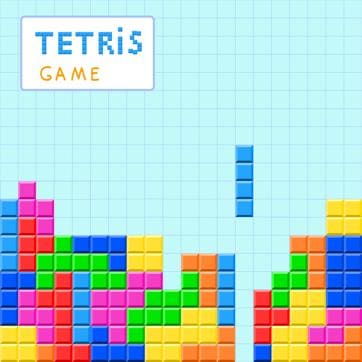
Researchers also found that the intrusive memories diminished more quickly.
“Our hypothesis was that after a trauma, patients would have fewer intrusive memories if they got to play Tetris as part of a short behavioural intervention while waiting in the hospital Emergency Department,” said Emily Holmes of Karolinska Institutet.
“Since the game is visually demanding, we wanted to see if it could prevent the intrusive aspects of the traumatic memories from becoming established i.e. by disrupting a process known as memory consolidation,” Holmes said.
“The first week after trauma can be important for our patients, who have to go home, recover and look after themselves, which can be hard to do if you’re getting intrusive memories of the trauma, often several a day,” said Lali Iyadurai of Oxford University.
Post-traumatic stress disorder (PTSD) can affect people who have experienced war, torture, rape, road accidents or other kinds of situations in which they felt their life, or that of another person, was in danger, researchers said.
The study was published in the journal Molecular Psychiatry.
Follow @htlifeandstyle for more
Catch your daily dose of Fashion, Taylor Swift, Health, Festivals, Travel, Relationship, Recipe and all the other Latest Lifestyle News on Hindustan Times Website and APPs.


