
 E-Paper



Cholar Dal Recipe: Celebrate Poila Baishakh With This Aromatic Protein-Rich Delight
Celebrate Poila Baishakh with a healthy, sugar-free Cholar Dal recipe. This protein-rich Bengali chana dal with coconut is perfect for a New Year celebration.

 Prefer HTon Google


Luchi-cholar dal with coconut is one of the most envious breakfasts Bengalis would die for, no matter what season they are in. The craze becomes a bit higher as Poila Baishakh arrives. As the Bengali New Year 1433, or Poila Baishakh, approaches, households across Bengal transform into hubs of aromatic food magic. The air fills with the scent of cardamom, garam masala (read it ‘mashla’ as any Bengali would pronounce), fresh produce, and the sizzle of festive cooking. Traditionally, the Bengali New Year is a fresh start, and for many, the preparation begins days in advance with the meticulous cleaning of the kitchen and the selection of the finest pantry staples.
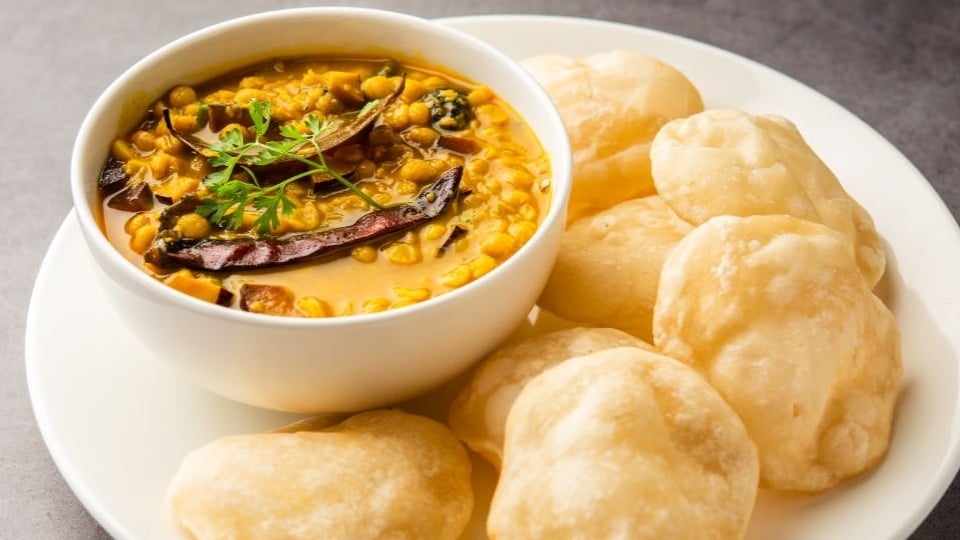
Festive menus are mostly meant for breaking your daily food habits, disrupting your calorie count and stuffing your stomach with so many delicious foods, sweets and fried snacks. This traditional cholar dal stands apart from the menu, following a brilliant source of protein with taste and aromatic spices added to it. Hence, mentioning chlar dal as a cultural anchor won’t be too much of an exaggeration.
Whether it is paired with the classic puffed luchi or a wholesome roti, it remains a favourite. Interestingly, Bengalis do have a soft spot for scholar dal with a plate of hot piping rice. Though mostly famous as a comforting soulful dish among the ‘ghoti’, the ‘bangal’ cholar dal version hints towards a bit spicy note. From the protein-rich source of chana dal to the spices with a mindful preparation, a bowl of scholar dal can never upset your diet.
Poila Baishakh Special Cholar Dal: The Soulful Charm of Bengali Chana Dal
This coconut dal recipe has a textural experience. The split chickpeas are cooked to a tender consistency while the size of the dal remains whole. Unlike other pureed dals, this version brings out the nuttiness of the legume paired with the crunch of dry-roasted coconut, representing a Bengali festive food.
Ingredients for Cholar Dal Recipe
- 1 cup Cholar Dal (Split Bengal Gram)
- 1/4 cup Fresh coconut (thinly sliced)
- 10-12 Cashew nuts
- 1 tbsp Raisins (soaked)
- 1 tsp Ginger paste
- 1/2 tsp Turmeric powder
- 1/2 tsp Asafoetida (Hing)
- 1 tsp Cumin powder
- 1/2 tsp Dry-roasted cumin powder
- 1/2 tsp Bengali Garam Masala
- 1 Bay leaf
- 2 Dry red chillies
- 2 Green cardamoms & 1 Black cardamom
- 1 tbsp Ghee (for tempering)
- Salt to taste (No sugar added)
Step-by-Step Guide for the Cholar Dal Recipe
- Thoroughly rinse the dal and soak for 30 minutes to aid digestion.
- Place the dal in a cooker with turmeric, salt, and 4 cups of water. Cook for 2 whistles on high heat, then simmer until tender but not mushy.
- In a pan, heat a small amount of ghee. Lightly toast the coconut slices, cashews, and raisins until golden; set aside.
- In the remaining ghee, add bay leaf, dry red chillies, cardamoms, and cumin seeds. Stir in the asafoetida.
- Add ginger paste and a splash of water, cooking until the raw smell vanishes. Add cumin powder and garam masala.
- Pour the boiled dal into the pan. Add the fried coconut and nuts.
- Cover and simmer for 5 minutes. Sprinkle dry-roasted cumin powder before serving hot.
Nutrients Found in the Bengali Chana Dal
This cholar dal recipe has nutrition, following a blend of macronutrients and essential minerals. It is particularly valued by fitness enthusiasts for its high fibre content and plant-based protein. By removing added sugar, the natural sweetness of the chickpeas and coconut makes it a delicious option, along with its low-glycemic index quotient
| Nutrient | Amount per Serving | Primary Source |
| Protein | 9g - 11g | Split Bengal Gram |
| Fiber | 7g - 8g | Legumes & Coconut |
| Iron | 15% DV | Bengal Gram |
| Manganese | 30% DV | Legumes & Cashews |
| Healthy Fats | 5g - 7g | Ghee & Fresh Coconut |
| Carbohydrates | 22g - 25g | Complex Carbs from Dal |
| Vitamin B6 | 10% DV | Ginger & Bengal Gram |
5 Tips to Make Bengali Cholar Dal Healthier
- Rely on the natural sweetness of sautéed raisins and coconut instead of refined sugar.
- Use just one tablespoon of high-quality A2 ghee for the entire recipe to keep fats in check.
- Instead of deep-frying coconut slices, dry roast them in a non-stick pan to reduce oil intake.
- For fitness enthusiasts, eating in moderation is mandatory; stick to one bowl to balance your macros.
- What you can do more is to stir in some fresh coriander at the end to boost the antioxidant profile of the dish.
With Neel Sasthi bidding adieu, the Bengali kitchens start immediately preparing for the Poila Baishakh celebration. Be it with steamed rice or luchi, a bowl of traditionally made cholar dal swaps sugar for natural flavours and practising portion control, this protein-rich dish becomes a guilt-free treat.
FAQs
1. Is Cholar Dal suitable for a weight loss diet?
Yes, it is high in protein and fibre, but fitness enthusiasts must ensure eating in moderation is mandatory for results.
2. Can I replace Ghee in this recipe?
You can use minimal mustard oil, though a small amount of ghee provides essential fat-soluble vitamins and authentic festive flavour.
3. Why is my dal becoming too mushy?
Ensure you only cook for two whistles; the grains should be soft enough to mash but still hold their shape.

Catch your daily dose of Fashion, Health, Festivals, Travel, Relationship, Recipe and all the other Latest Lifestyle News on Hindustan Times Website and APPs.


