E-Paper



Hepatitis B, C continue to pose a threat in India despite focus on vaccination

 Prefer HTon Google


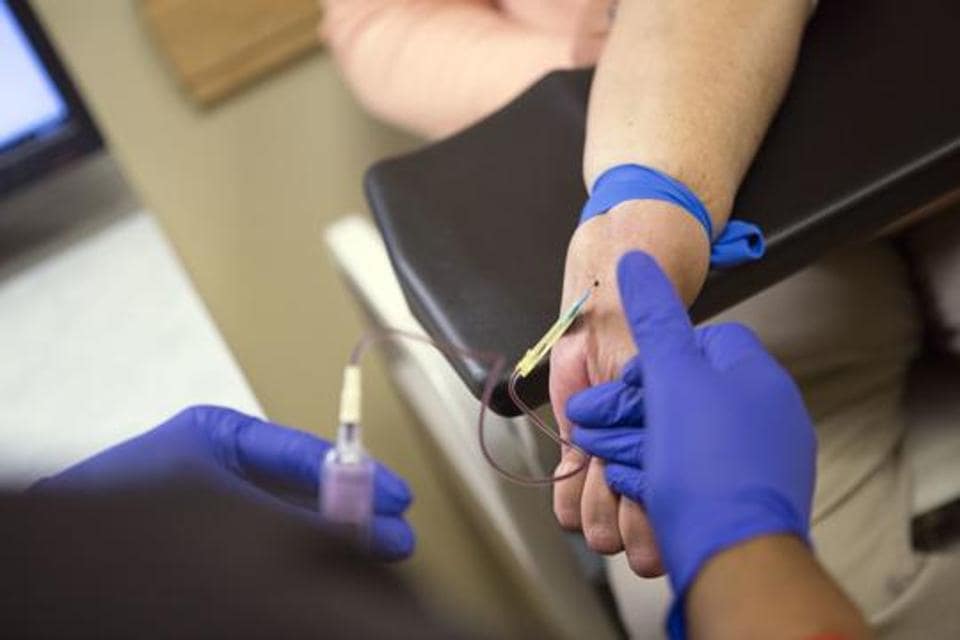
Close to 50 million people suffer from blood-borne hepatitis B & C in India.
Vaccinating all children against hepatitis B under India’s Universal Immunisation Programme and implementing blood safety measures has not lead to a corresponding drop in cases of blood-borne viral hepatitis B & C, which affects 50 million people in India.
“These are just rough estimates and a majority of people doesn’t even know they are infected,” says Dr SK Sarin, director, Institute of Liver and Biliary Sciences (ILBS) in New Delhi. “The numbers are increasing as more people now are getting tested, but we need to make sure everyone, including adults, get vaccinated against hepatitis B.”
About 40 million suffer from hepatitis B and 6-12 million have hepatitis C, which together kill close to 1.5 lakh people each year.
About 1 to 2% of those infected with hepatitis B will die, say experts, which means about one-lakh are dying each year of hepatitis B and an estimated 35,000 succumb to Hepatitis C.
“The prevalence of hepatitis B is far more common than HIV— 0.3% is the HIV prevalence in general population and hepatitis B is 3% to 4% and hepatitis C is about 1%,” says Dr Sarin.
Dr Pradeep Haldar, deputy commissioner, immunization, health ministry, said, “We clearly knew there was a huge burden of hepatitis and we had to make it a part of the National Programme to check the growing burden. To provide protection to babies we give three primary doses at 6, 10 and 14 weeks, and to cut the mother-to-child transmission we had introduced the birth dose that is given within 24 hours of birth.”
“We are improving vaccination coverage under Universal Immunisation Programme (UIP), which accounts for 70% of hospital deliveries within 24 hrs of birth,” said Dr Haldar.
While there is a vaccine to prevent hepatitis B, but the infection has no cure, and an infected person will have to take the medicines for life to keep the viral load in check.