
 E-Paper



From drought to deluge: How El Nino and compound climate disasters worsened the Grand Canyon tragedy
Deadly flash floods in the Grand Canyon highlight how compounding climate catastrophes, like El Niño-fueled rains, are intensifying destruction in Arizona.

 Prefer HTon Google


With summer come monsoonal rains in Arizona, but climate-driven drought and wildfires are worsening the destruction from downpours like the deadly deluge that struck the Grand Canyon last weekend, according to experts.
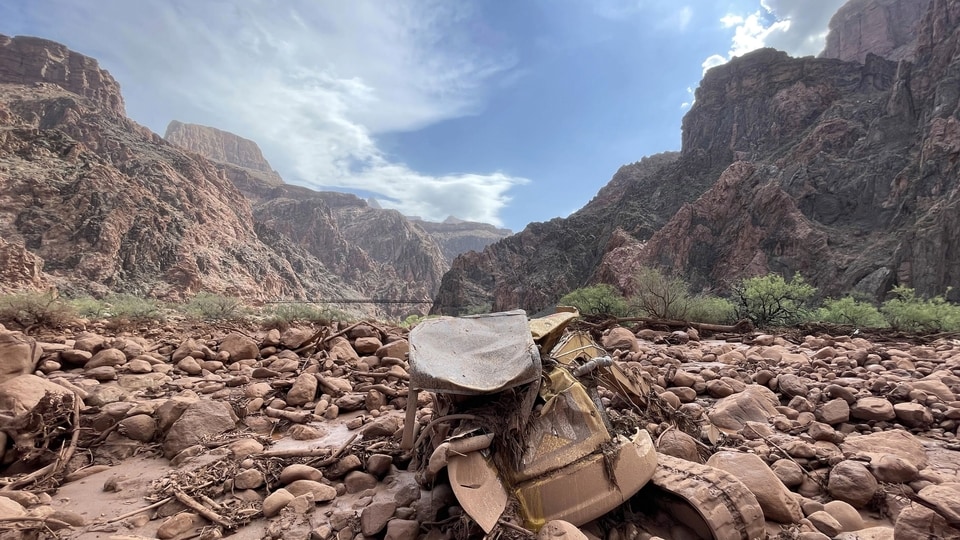
The remnants of an El Niño-spawned tropical storm in the Pacific Ocean increased moisture in the atmosphere, intensifying the rainfall at Bright Angel Creek in the Grand Canyon, they said. It dropped a month’s worth of water on the watershed’s soil, which was hardened by separate climate-triggered disasters: a 26-year drought and a megafire that burned through the Grand Canyon last year and left the landscape littered with debris.
The cloudburst then tore through steep terrain unable to absorb the torrents, sweeping sediment, rocks and wildfire detritus into Bright Angel Creek a mile below the canyon’s north rim. Two people were killed, and bridges, hiking trails and other infrastructure were washed away.
“You have the El Niño, the drought, the previous fire and the warmer atmosphere holding more moisture leading to a more intense rainfall event,” said climate scientist Ben Kirtman, dean of the University of Miami’s School of Marine, Atmospheric and Earth Sciences. “All of these things are coming together in a place that's highly vulnerable because of that burn scar.”
The Grand Canyon tragedy reflects what scientists call compound events, when climate-related catastrophes overlap or occur in quick succession. As compound events multiply, they’re amplifying the impact of disasters and straining emergency response.
Although scientists said directly connecting a specific rainfall event to climate change is challenging, record-high ocean temperatures have made for an unusually strong El Niño this year. A spate of El Niño-related tropical storms and hurricanes in the Pacific has in turn heightened atmospheric moisture. As global warming accelerates, monsoonal flash floods in Arizona will become more frequent, according to climate scientists.
Also Read: Biggest El Nino in ‘over a century’ to dial up global heat, India braces for double crop hit
“While El Niño doesn't usually play a direct role during the Arizona monsoon, tropical activity in the eastern Pacific (Mexico/Central America) can help push more moisture into Arizona,” Erinanne Saffell, a climate scientist who recently served as the Arizona state climatologist, said in an email. She said Saturday’s deluge at Bright Angel Creek was a result of large-scale atmospheric conditions that pulled moisture into Arizona from the south.
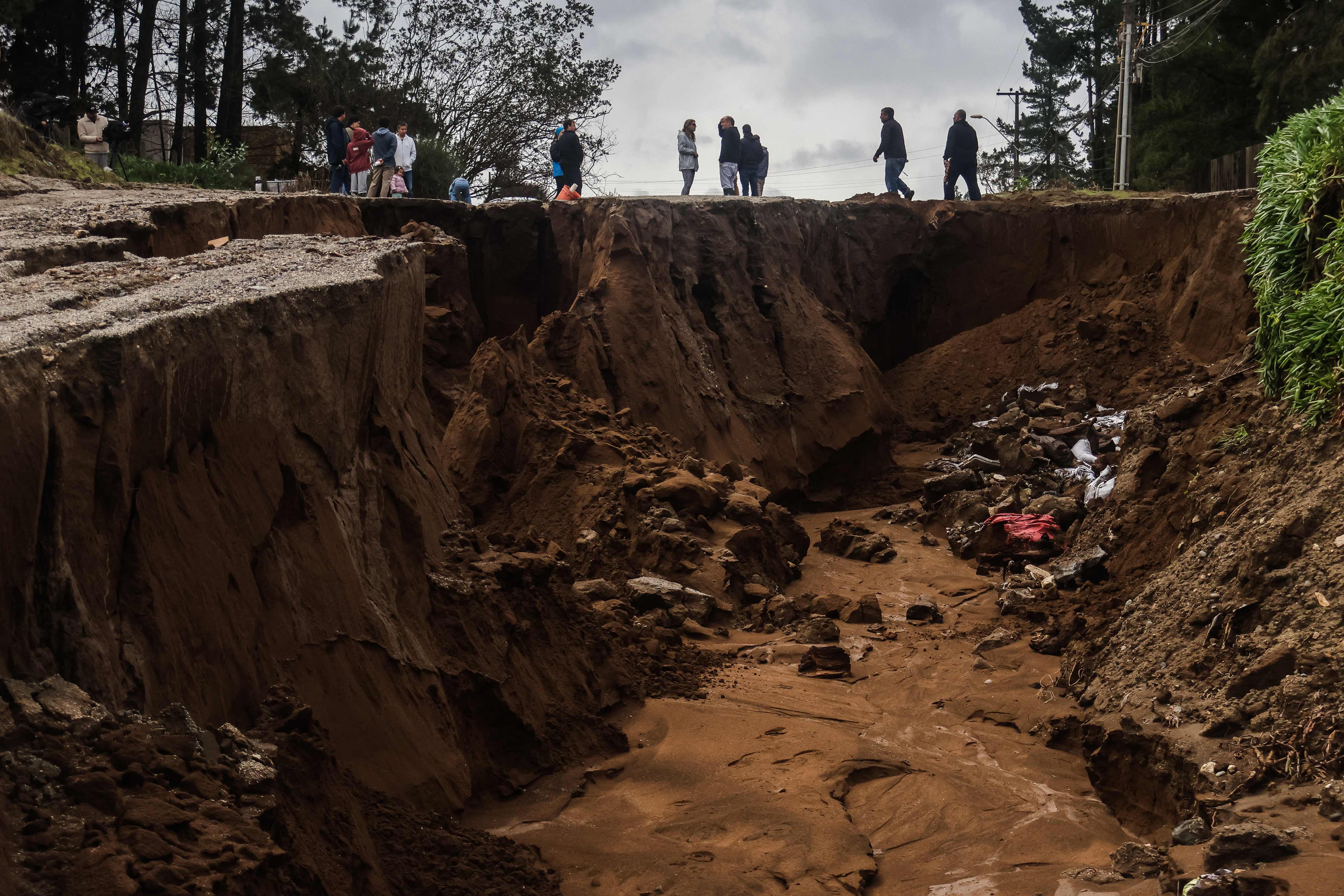
“It makes it more likely that these kinds of heavy rainfall and flash flood events occur when you super saturate the atmosphere with moisture,” said Randy Cerveny, a meteorologist at Arizona State University.
Also Read: As super El Nino strengthens, study suggests that climate change is intensifying El Ninos
He said the interaction of moisture from El Niño-triggered tropical storms in the Pacific with the topography of the Grand Canyon’s north rim, which sits at an elevation of 8,000 feet, can create huge thunderstorms. Such storms aren’t unusual during Arizona’s summer monsoon season, but a quarter-century drought across the Southwest and more frequent wildfires amid rising temperatures are magnifying their impact.
Last year, a wildfire scoured almost 150,000 acres around the Grand Canyon’s north rim. “The big climate change impact associated with this storm was the massive wildfire as when you get this kind of intense convective rainfall falling on exposed ground, you're going to get a much greater chance for a flash flood than you would otherwise,” Cerveny said.
Also Read: India braces for harsher summer, weaker monsoon as El Niño grips equatorial Pacific
Arizona’s monsoon season runs through the end of September. In the Pacific, meanwhile, tropical storms have been multiplying. “I would expect more extreme rainfall through the rest of the monsoon season, and I would expect those extreme events to be more intense,” Kirtman said.


