
 E-Paper



Smart meters and digital intelligence can accelerate net-zero mission
This article is authored by Jitendra Kumar Agarwal, joint managing director, Genus Power Infrastructure Ltd.

 Prefer HTon Google


India's clean energy transition has entered a decisive phase. The question is no longer whether we can build renewable energy capacity, but whether our electricity system is intelligent enough to harness it efficiently.
With an ambitious target of 500 GW of non-fossil fuel capacity by 2030 and a long-term commitment to achieve net zero by 2070, India has demonstrated remarkable progress in expanding clean energy. The next frontier lies in building a grid that can integrate renewable power seamlessly, respond dynamically to changing power demand, and deliver reliable electricity at scale.
This is where digitalisation becomes fundamental. As renewable energy, distributed generation, battery storage and electric mobility reshape the power landscape, the grid must evolve from a one-way distribution network into an intelligent, responsive ecosystem. Digital infrastructure is no longer an enabler of the energy transition; it is becoming one of its defining pillars.
Unlike conventional generation, renewable energy is inherently variable. At the same time, power demand is becoming more dynamic, driven by urbanisation, industrial growth, rising cooling requirements, digital infrastructure and the rapid adoption of electric vehicles. Managing this complexity requires continuous visibility across the network and the ability to make faster, data-driven decisions.
Smart meters are central to this transformation and are providing real-time visibility into energy flows across millions of consumption points. When integrated with secure communication networks, advanced data platforms and AI-driven analytics, they create the digital intelligence that utilities need to operate modern power systems more efficiently.
This intelligence allows utilities to move beyond reactive operations towards predictive grid management. From demand forecasting and peak-load optimisation to outage management, transformer health monitoring and renewable integration, decisions that once relied on periodic data can increasingly be made in real time. The result is a more resilient grid, lower operational losses and better quality of service for consumers.
Digitalisation also strengthens the financial sustainability of the power sector. Better energy accounting, improved demand forecasting and faster identification of technical and commercial losses help reduce Aggregate Technical and Commercial (AT&C) losses while improving operational efficiency for utilities. Every unit of electricity saved through better system management reduces the need for additional generation, delivering both economic and environmental benefits.
India's Revamped Distribution Sector Scheme (RDSS) has rightly recognised distribution modernisation as a national priority through large-scale smart meter deployment. As implementation gathers steam, success should increasingly be measured not by the number of meters installed, but by the operational intelligence they create. The real outcome is a smarter grid that is more reliable, efficient and capable of integrating higher levels of renewable energy.
The importance of this intelligence will only grow as consumers become active participants in the energy ecosystem. Rooftop solar, battery storage, net metering and electric vehicles are transforming households and businesses from passive consumers into active energy producers and flexible demand centres. Enabling this shift requires greater visibility into consumption patterns and pricing signals that encourage energy use when renewable generation is abundant.
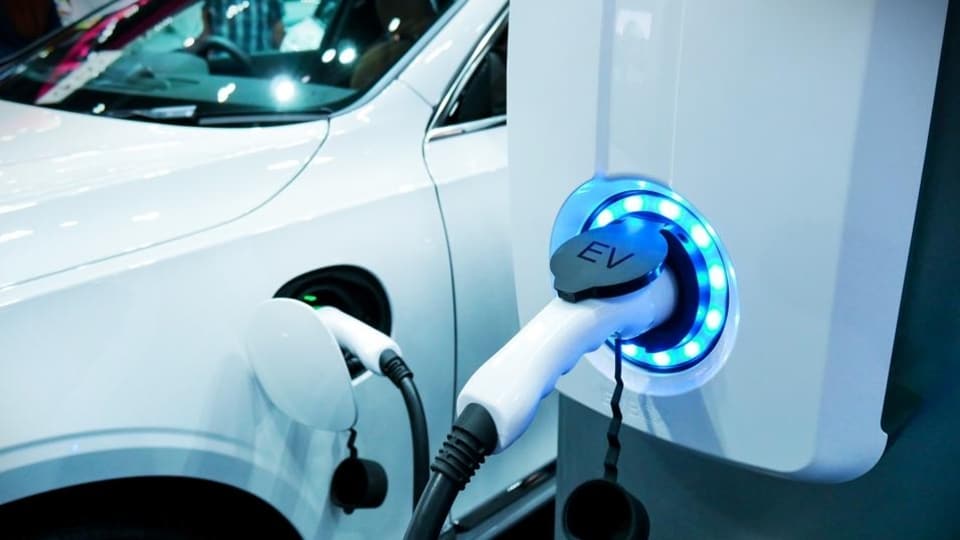
Electric mobility further reinforces this need. Without intelligent charging, EV adoption could create new peaks and place additional pressure on local distribution networks. Digital intelligence allows utilities to align charging demand with periods of lower grid stress and higher renewable availability, turning electric vehicles into assets that support grid flexibility rather than strain it.
AI will further accelerate this evolution. By analysing data across meters, feeders, transformers and substations, utilities can anticipate equipment failures, detect network anomalies, forecast demand with greater accuracy and optimise maintenance long before disruptions occur. The future grid will not simply be digitised; it will become increasingly predictive and self-learning.
India's energy transition is becoming as much a digital transformation as an infrastructure one. Renewable energy, transmission networks, battery storage and green hydrogen will remain critical investments. But their collective value will depend on an intelligent digital layer that connects generation, distribution and consumption into a coordinated system.
Perhaps the most important shift is recognising that energy data is becoming a strategic asset in its own right. The ability to capture, analyse and act on real-time information will determine how efficiently renewable energy is integrated, how effectively infrastructure is utilised and how resilient the electricity system becomes.
As India advances towards its net-zero ambition, the defining question will not simply be how much clean energy we generate, but how intelligently we manage it. Countries that combine renewable capacity with digital intelligence will build more resilient grids, stronger energy security and more competitive economies. India has the opportunity to lead that transformation; not only by expanding clean energy; but by building one of the world's smartest electricity networks.
(The views expressed are personal)
This article is authored by Jitendra Kumar Agarwal, joint managing director, Genus Power Infrastructure Ltd.


