
 E-Paper



Hidden cost of constant connectivity
This article is authored by Anil Rachamalla, Chief Mission Officer, Council for Digital Safety and Wellbeing (CDSW).

 Prefer HTon Google


India’s gig economy has grown faster than anyone predicted, reaching around 12 million, and headed to touch 23.5 million by 2030. We know the upside well. Jobs, flexible hours, a wage for people who had few options. The pay is easy to count. Harder to count is what the work does to the person executing it, and what happens to a nervous system that never gets to switch off.
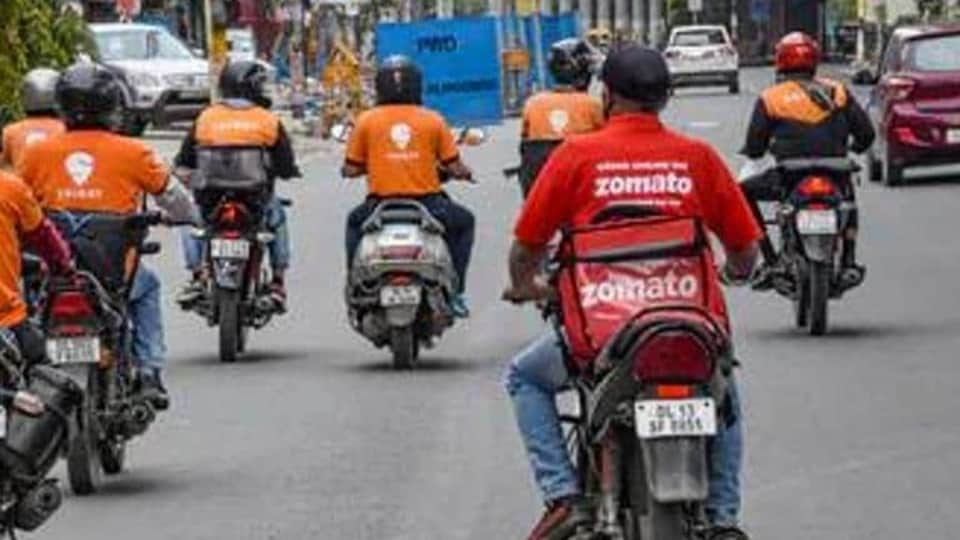
For a delivery partner or a driver, the phone is not a phone. It is the workplace and the boss. It is also the map, the payment counter, the report card, the helpline
From the moment the app opens, the platform runs the day. Orders land without warning. Acceptance rates, ratings, surge windows- all of it moves in real time, all of it watched. The algorithm never walks off. You cannot look away, because the next order pays and it could come any second.
Due to the higher usage of phones, digital dependency has surged significantly, with 94.8% of respondents reporting increased reliance on digital devices over the past three years, the CDSW's inaugural Digital Well-Being Index Survey revealed.
In our field, we talk a lot about doomscrolling, the compulsive pulls of bad news. Gig workers have a version of it nobody has named which is work-scrolling. The hooks are the same ones that keep all of us on social media, the random reward and the fear of missing out. What is different is the stakes. The next good order is tomorrow’s fuel money.
Chronic alertness is not a state the body learns to live with. Gig work keeps phone switched on for ten or twelve hours at a stretch. Cortisol stays high. Sleep gets thin. Real recovery never arrives.
The impact is evident on cognitive well-being, as 88% reported shorter attention spans linked to excessive digital use, the survey revealed.
Furthermore, prolonged screen exposure is affecting sleep health, with 73% of respondents experiencing frequent or occasional sleep disturbances due to late-night device usage.
A study of app-based drivers by the International Federation of App-based Transport Workers and the International Transport Federation found people spending 16 to 20 hours a day in their vehicles, nearly nine in ten of them sleeping under six hours, and warned of the obvious danger of exhausted drivers on the road.
I have watched drivers finish a 12-hour shift and keep the phone in their hand, still waiting for an incentive to drop. The body does not know the shift is over.
Platform supervision never stops. Acceptance rate, cancellation rate, delivery time, customer rating, location, all measured every minute you are logged in. Workers talk about being graded by rules they cannot see, blaming themselves for things they did not cause, worrying about how they look to the platform.
This is where the usual digital-wellbeing advice falls apart. The screen-time conversation in India was built for middle-class users putting down social media and parents policing their teenagers. For a gig worker the premise breaks. He scrolls because the alternative is going invisible on the platform and losing the next order.
Not more grit from the worker, that much is clear. Three places to start.
Measure it. We cost this work in rupees per hour. We have never costed it in what I would call nervous-system hours, the price of staying alert with no break.
Fix the design, in the worker’s favour and not against him. Show workers how the ratings and incentives actually work. Give them predictable windows instead of permanent uncertainty. Batch the notifications instead of firing one off every minute. Let a worker log out for an hour without paying for it in lost rank.
Give the worker somewhere to come down. These workers need real, physical places to rest in the areas where they already wait between orders. Clean, safe, built for people we treat as professionals rather than as charity cases. Telling a worker to look up from his phone means little when looking up is just traffic and heat. He needs somewhere to recoup.
India built its convenience economy fast, on the backs of a workforce we have judged almost entirely by output. Digital wellbeing here is not about a worker’s self-discipline, and it will not be solved one detox at a time. It is about how the work is built, and whether the people doing it get a chance to recover. We have until that 12 million becomes 23.5 million to take it seriously.
(The views expressed are personal)
This article is authored by Anil Rachamalla, Chief Mission Officer, Council for Digital Safety and Wellbeing (CDSW).


