
 E-Paper



Upholding humanity amidst conflict: Protecting civilians in the crossfire
This article is authored by Ananya Raj Kakoti & Gunwant Singh, scholars of international relations, Jawaharlal Nehru University.

 Prefer HTon Google


Armed conflicts ravage societies, inflicting profound suffering on innocent civilians trapped in the crossfire. Beyond physical destruction, lives are shattered and communities fractured, leaving scars that endure for generations. The ethical quandary lies in justifying the immense toll on civilians—children robbed of childhoods, basic necessities denied, and trauma haunting communities.
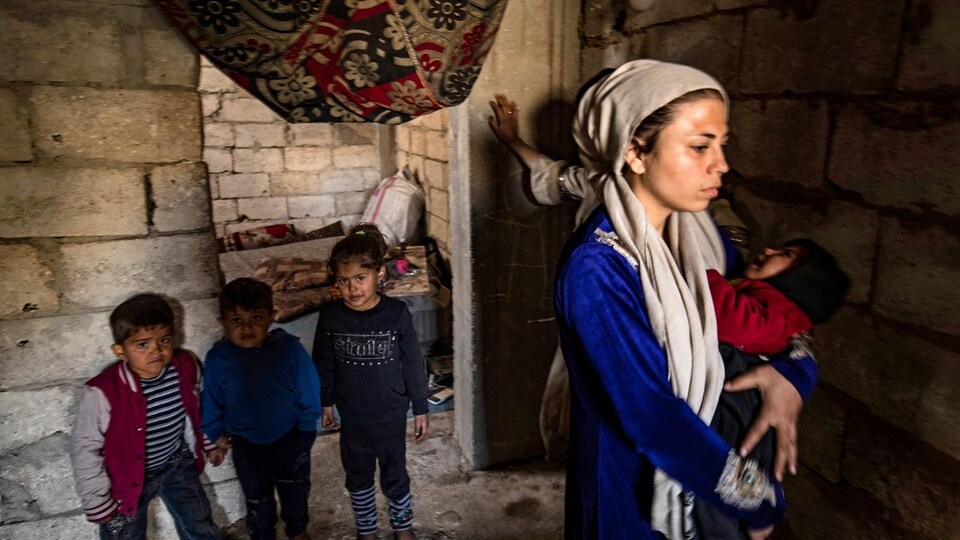
These conflicts raise fundamental moral questions about the righteousness of warfare, protecting non-combatants, and the moral responsibility of those involved. This article explores the heart-wrenching reality faced by civilians in armed conflicts, delving into ethical complexities through historical and contemporary lenses, and questioning the justifiability of such devastation in pursuit of conflict objectives.
Throughout history, armed conflicts have inflicted unimaginable suffering on innocent civilians, leaving indelible scars on societies worldwide. World War II witnessed staggering civilian casualties and unprecedented destruction. Deliberate bombings, like the Blitz on London and the firebombing of Dresden, resulted in massive deaths and city destruction. The use of atomic bombs on Hiroshima and Nagasaki by the United States remains morally debated, with proponents citing a hastened end to the war, while critics emphasise the immense civilian casualties and long-term radiation effects.
During the Vietnam war extensive aerial bombings, use of napalm, and Agent Orange caused severe harm to Vietnamese civilians. Targeting villages and agricultural lands, the use of chemical warfare led to lasting health issues and environmental damage. High civilian casualties underscored ethical dilemmas in the indiscriminate use of destructive methods.
The Rwandan genocide in 1994 saw the extremist Hutu militias targetting the Tutsi minority, resulting in an estimated 800,000 to 1 million brutally massacred. Civilians were hunted down and killed, exposing the moral responsibility and challenges in responding to such atrocities, with the international community's failure to intervene underscoring these issues. These historical examples illustrate armed conflicts' devastating impact on civilians, emphasising the ethical complexities and the international community's responsibility to prevent such atrocities.
However, conflicts are not simply matters of history, as the world even now is witness to multiple ongoing conflicts in the contemporary time, such as; The Syrian civil war which has been ongoing for years has brought profound devastation to civilians. Cities in ruins, millions displaced, and a humanitarian crisis define this conflict. Indiscriminate bombings, chemical attacks, and siege warfare have caused staggering civilian casualties, with women, children, and the elderly bearing the brunt. Destruction of vital infrastructure compounds the suffering, leaving communities struggling amid the chaos.
The ongoing conflict in Yemen has resulted in a dire humanitarian catastrophe. Relentless bombings and blockades by the Saudi-led coalition have plunged the country into famine and disease. Civilians endure airstrikes hitting residential areas, hospitals, and weddings, causing countless casualties. Destruction of critical infrastructure triggers a cholera outbreak, causing widespread suffering.
Conflict in Ukraine particularly in the Donetsk and Luhansk region has taken a toll on civilians and infrastructure. Ongoing warfare results in casualties, displacement, and destruction of homes and vital infrastructure. Beyond physical destruction, civilians face psychological trauma living in constant fear of shelling and violence.
The Israel-Palestine conflict has been continuing for more than seven decades. Although the 2023 military conflict has been a witness to a series of large-scale attacks, this region has been a witness to military conflicts for several decades now. Gaza Strip is subjected to frequent military operations, it faces civilian casualties, infrastructure destruction, and economic hardship due to blockades. Recurrent violence leaves psychological scars, especially on children growing up amidst conflict and trauma. In West Bank Israeli settlements, checkpoints, and the separation barrier disrupt Palestinian daily life, leading to clashes and casualties. Settlement expansion displaces communities, escalating tensions.
These conflicts reveal the harsh realities for civilians amidst armed hostilities, emphasising the urgent need for international intervention, humanitarian aid, and protection of civilians in times of war. There are contrasting ethical perspectives on harming civilians in conflicts. The utilitarian perspective assesses actions in conflicts based on their consequences and overall benefits. It might justify harming civilians if the perceived gains—like conflict resolution or national security—outweigh the harm caused. Critics argue this overlooks individual lives' value and can escalate conflicts, undermining stated goals.
Humanitarian Perspective on the other hand emphasises international humanitarian law principles, advocating for safeguarding civilian lives, distinguishing between military and civilian targets, and minimising harm during conflicts. According to this perspective, there can be no justification for deliberately causing harm to innocent civilians, regardless of the perceived benefits or strategic goals.
These contrasting viewpoints reveal the ongoing ethical debate on harming civilians in conflicts, highlighting the moral complexities inherent in warfare. International humanitarian law, encapsulated in treaties like the Geneva Conventions, establishes guidelines for protecting civilians during armed conflicts. These treaties emphasise safeguarding civilians, wounded soldiers, and prisoners of war. They prohibit targeting civilians and highlight principles like distinction, proportionality, and precautions to minimise civilian harm. Adherence to key principles delineates the ethical conduct within conflicts. The principle of distinction mandates a clear demarcation between military objectives and civilian entities, ensuring targeted actions focus solely on legitimate military targets. Proportionality serves as a guiding tenet, demanding that the magnitude of any military action should not excessively outweigh the anticipated military advantage, safeguarding civilians from disproportionate harm. Concurrently, the principle of precautions necessitates meticulous efforts to minimise civilian casualties, obliging parties involved to take necessary precautions in planning and executing military operations to mitigate harm to civilians, their safety held paramount amidst the tumult of conflict.
Various mechanisms strive to ensure accountability amidst the chaos of conflict. The International Criminal Court (ICC) serves as a pivotal institution, actively prosecuting individuals accused of war crimes, specifically targeting those responsible for civilian harm. Complementing its efforts, fact-finding missions diligently investigate violations of international law, shedding light on transgressions and seeking justice for affected civilians. Additionally, the Human Rights Council vigilantly monitors human rights abuses within conflict zones, vehemently advocating for accountability measures to hold perpetrators responsible for their actions, striving to bring justice to those affected by the turmoil of warfare.
Despite these efforts, challenges persist. Lack of jurisdiction, political influences, and evidence-gathering difficulties hinder accountability. Geopolitical interests sometimes overshadow justice, complicating law enforcement. Continuous violations highlight the struggle to ensure compliance with international law and hold those accountable for harming civilians. Strengthening accountability mechanisms remains crucial in safeguarding civilian rights during conflicts.
One major issue is the disregard for international law. State armed forces and non-state groups continue targeting civilians, often escaping accountability despite causing severe harm. This pervasive impunity complicates justice efforts, as highlighted by the International Rescue Committee. The growing reliance on private military contractors poses a new challenge, potentially enabling states to evade responsibility for misconduct. Additionally, limitations on humanitarian access and civic space impede interventions, limiting aid and civil society's ability to protect civilians. Disinformation further complicates matters, influencing critical decisions in conflict zones and restricting information flow.
The Protection of Civilians (PoC) Week in May 2023 highlighted a distressing 53% increase in civilian casualties across 12 conflicts, underscoring the urgency of bolstering civilian protection. PoC Week aims to engage global stakeholders and fortify measures to protect civilians in conflicts.
In the aftermath of conflict, civilians bear unimaginable suffering beyond war zones: shattered lives, ravaged infrastructure, and lasting trauma. Ethical debates pit the utilitarian acceptance of civilian sacrifices against the unwavering humanitarian duty to protect lives under international law. Despite established legal frameworks like the Geneva Conventions, breaches persist, leaving assaults on civilians largely unpunished. Challenges compound further with the emergence of private military contractors and restricted humanitarian access. Amidst this complex landscape, the imperative stands strong: defend civilians, enforce accountability for wrongdoers, and prioritise peace-building efforts that honour and safeguard the sanctity of civilian lives amidst the chaos of conflict.
This article is authored by Ananya Raj Kakoti and Gunwant Singh, scholars of international relations, Jawaharlal Nehru University.


