
 E-Paper



Vaccination isn't just for children: Adults need protection too
This article is authored by Kartik Rajendran, managing director, Abbott India Limited.

 Prefer HTon Google


India’s childhood immunisation programme is one of the country’s most significant public health efforts, protecting generations from diseases that once posed serious risks. Yet many still view vaccines as something only children need, overlooking the important role they can play in protecting our health as adults.
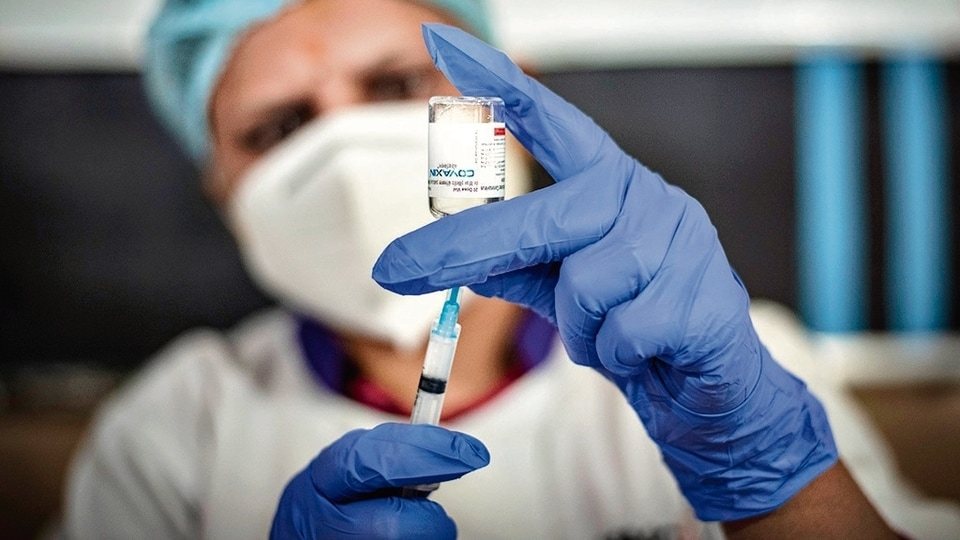
Somewhere along the way, immunisation dropped out of the routine care conversation. Discussions increasingly focus on managing conditions such as diabetes, cardiovascular disease, respiratory illnesses and other chronic health concerns. We undergo diagnostic tests, monitor key health indicators and refill prescriptions. Yet preventive measures that can help protect us as we grow older, often receive far less attention.
This isn't just a clinical gap. It’s a gap in how we think about healthy ageing and preventive care.
The benefits of vaccination go beyond preventing illness. They help people stay active, independent and connected to the things that matter most in their lives. While economic benefits also matter, they are only part of the story.
The true impact of an infection is rarely confined to the person who falls ill. A hospital admission can ripple through an entire family, disrupting work, caregiving responsibilities and daily life. For older adults, the challenge does not always end at discharge. What begins as a serious infection can lead to a prolonged recovery, loss of physical strength and, for some, a level of dependence they may never fully recover from. Preventing illness is, therefore, about more than avoiding a hospital visit. It is about preserving quality of life.
India’s vaccination story is often told through the lens of childhood and rightly so. But as the country prepares for a future where nearly 347 million people will be over the age of 60 by 2050, it may be time to broaden the conversation. Our health needs do not remain static throughout life, and neither should the conversations we have about protecting our health. Greater awareness can help ensure that people make informed decisions at every stage of life.
The question is not whether prevention matters. India settled that debate long ago through its commitment to childhood immunisation. The question now is whether we are prepared to carry that same prevention mindset into adulthood. As our population ages and health needs evolve, informed conversations about protection should remain a routine part of health care, not an afterthought.
Many of us think of vaccination as something we leave behind in childhood. Once we are adults, the assumption is that our bodies can handle most infections on their own. But this belief overlooks two common realities.
As we move through life, factors such as age, pregnancy, travel, occupation and underlying health conditions can change how our bodies respond to infections. Conditions such as diabetes, chronic kidney disease and heart disease can increase the likelihood of complications from illnesses that might otherwise be dismissed as routine.
Despite this, vaccination is rarely top of mind for most adults. It is often viewed as something that belongs to a different stage of life rather than a topic worth revisiting. As a result, opportunities for discussion and awareness are frequently missed, even as health priorities and circumstances change over time.
Adult vaccination should not exist as a separate health care conversation. It should be considered within the broader context of preventive care, alongside discussions about nutrition, screening, chronic disease management and overall wellbeing.
India has already taken steps to support this shift. The Indian Consensus Guidelines on Adult Immunisation provide health care professionals with a framework to assess vaccination requirements and make evidence-based recommendations. The next step is making these discussions more routine. The more frequently vaccination features in everyday healthcare interactions, the more likely people are to receive information that is relevant to their personal circumstances.
Awareness is often the first step toward action. People cannot explore options they have never heard about or ask questions they do not know to ask. The challenge is not necessarily reluctance. More often, it is a lack of visibility. A health care topic that seldom enters mainstream discussion is unlikely to be top of mind for the people it affects.
India's health care system has made significant progress in helping people live longer and manage complex health conditions. The next opportunity lies in strengthening prevention and making it a more consistent part of how we think about health throughout adulthood.
Adult vaccination is one example of that broader shift. Not because every person requires the same intervention, but because prevention is most effective when it is considered before illness occurs rather than after.
The real promise of preventive health care is not measured only by the diseases it helps avoid. It is reflected in the ability of people to continue living their lives with fewer interruptions, greater confidence and a stronger sense of control over their health. That is a conversation worth bringing into the mainstream.
(The views expressed are personal)
This article is authored by Kartik Rajendran, managing director, Abbott India Limited.


