E-Paper



Odisha proposes holding road builders liable for pedestrian deaths from faulty works
According to proposed rules, contractors and engineers could face prosecution under Section 198A of the Motor Vehicles Act if faulty construction of roads leads to pedestrian’s death or disability

 Prefer HTon Google


Road contractors, government engineers and construction firms in Odisha could face criminal prosecution and financial penalties if faulty road design, poor construction or inadequate maintenance leads to the death or disability of a pedestrian, under draft pedestrian safety rules proposed by the state government.
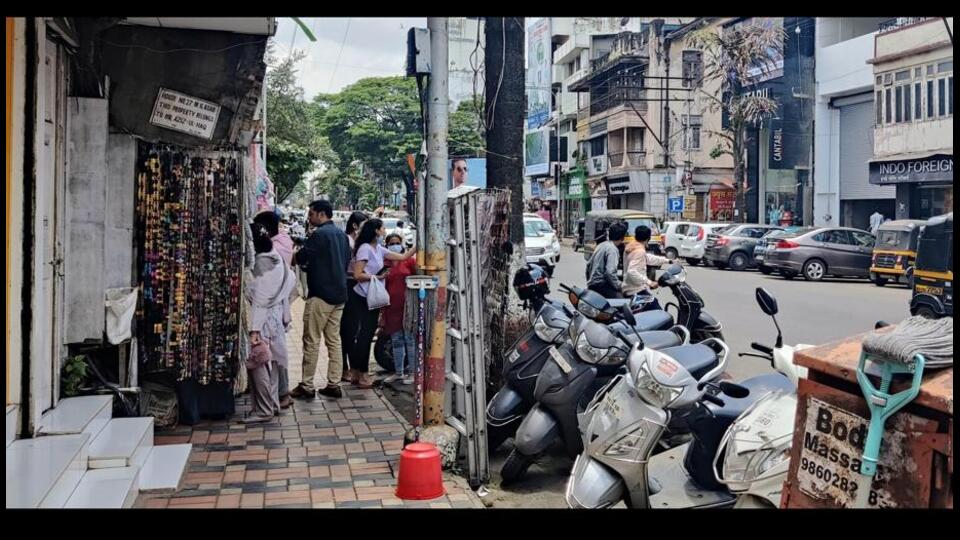
According to the proposed rules, contractors and engineers could face prosecution under Section 198A of the Motor Vehicles Act if faulty construction of roads leads to a pedestrian’s death or disability. Besides criminal prosecution, construction firms could face termination of contracts, blacklisting and withholding of payments in such cases. Under Section 198A of the MV Act, there is no provision for imprisonment but only a fine, which may extend to ₹1 lakh.
The rules, published by the Commerce and Transport department on Thursday, also propose personal legal responsibility for lead engineers and contractors involved in road projects. It will be compulsory for lead engineers and contractors to sign a safety compliance declaration accepting personal legal responsibility before a road project receives final clearance or financial closure.
The draft rules, hosted on the website of the Commerce and Transport department, have invited objections and suggestions over the next 30 days before being notified in the official gazette.
Since overspeeding is one of the major reasons for fatalities on the roads, the new rules cap vehicle speeds at 25 kmph in urban and rural school zones and 40 kmph on major roads adjoining schools. Drivers would be required to give pedestrians the right of way at uncontrolled crossings and maintain a minimum lateral distance of 1.5 metres while overtaking cyclists and non-motorised transport users. Parking, stopping or driving motor vehicles on footpaths and cycle tracks has also been prohibited.
The new set of rules also directs municipalities and other civic bodies to use certified recycled construction and demolition waste for pavement tiles, kerbs and street furniture as part of a circular economy initiative.
They also prescribe a timeline of 7 to 30 days for removing hazards such as open drains, damaged footpaths, exposed utility lines and faded zebra crossings. Utility agencies would not receive completion certificates until damaged walkways are restored, according to the draft. The draft mandates local authorities to construct continuous footpaths on both sides of urban arterial roads and provide pedestrian crossings at intervals of not more than 150 metres in high-density corridors.
The draft rules said that compliance would be monitored through mandatory safety audits, a public grievance redressal mechanism with a 30-day resolution timeline, and through speed cameras and CCTV systems.
The proposal comes amid rising road fatalities in Odisha, where road deaths increased from 3,931 in 2014 to 6,483 in 2025, a rise of about 65 per cent. Odisha’s road accident fatality rate is now 37.2 per cent higher than the national average, with 49 deaths for every 100 road accidents compared with the national average of 35.7 deaths per 100 accidents.
The draft rules follow a June 2026 Supreme Court judgment that held the right to walk is a fundamental constitutional right and that pedestrians’ use of designated footpaths overrides the movement of motorised vehicles.