E-Paper



Actor Aashiesh Sharrma's debut film completes its festival run after a years-long wait, releasing on Indian platform
Aashiesh Sharrma's Khejdi, now releasing in India, showcases his journey in portraying a transgender character. Emphasising on emotional and rooted storytelling

 Prefer HTon Google


Actor Aashiesh Sharrma ventured into cinema with his debut independent feature film, Khejdi, which is finally getting its India release after its run at international film festivals since 2018.
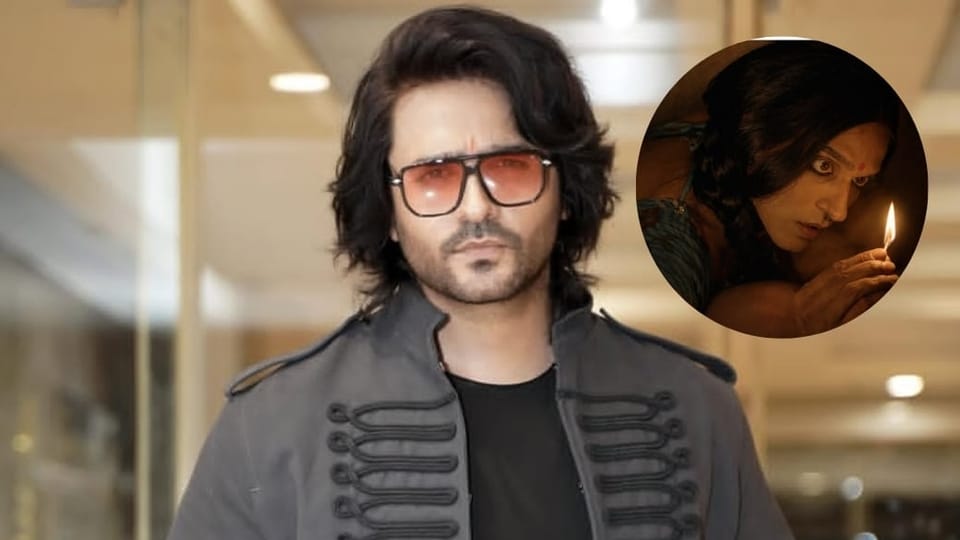
Sharing with us the reason for delay in the release, he says, “The film was screened at 20 international film festivals during initial years and also won in different categories during this time. After that, it was theatrically released in Thailand and other South East Asian countries. Now that all its festival runs have been completed, it got an OTT release here. The best part is that the film, after all these years, still has its emotional and rooted storytelling intact."
He notes that the role came at a point where he was "consciously moving towards stories that feel rooted in society. Playing a transgender for me was to unlearn earlier performances. To achieve the character's natural grace and fluidity, I decided to train in Kathak for months. The transformation was extensive: a six-month-long process to lose weight and soften his physicality.”
Known for Siya Ke Ram and Chandragupta Maurya, Aashiesh, who co-wrote the film, confessed the role brought moments of self-doubt. “I kept asking myself how I would pull this off as an actor. Eventually, I realised the performance will only work if I stop trying to represent and start experiencing. It was never about behaviour; it was about being.”
The film's soul originated from the short story 'Sanjha,' written by Kiran Singh from Lucknow. Aashiesh feels a "certain emotional depth" was immediately cinematic. He adds, "We aren’t doing the same with our own stories" from India’s vast literature.
On the global reception at festivals across Germany, Mexico, Spain, and the US, Aashiesh shares that people are "connecting with emotion without any barrier. 'The more rooted you are, the more universal you become. And today, language-first cinema is no longer niche,'” he adds. He believes the film contributes to a larger shift in cinema, as "audiences today are far more open" to complex subjects told with sincerity.