E-Paper



Kargil Vijay Diwas | Actor Celina Jaitly: As a daughter, I saw what weight my dad carried each day during Kargil War
On Kargil Vijay Diwas, actor Celina Jaitly remembers the period when her father (late) Col Vikram Kumar Jaitly was an active serving officer during Kargil War.

 Prefer HTon Google


On Kargil Vijay Diwas, actor Celina Jaitly remembers the period when her father (late) Colonel Vikram Kumar Jaitly was an active serving officer during the war period.
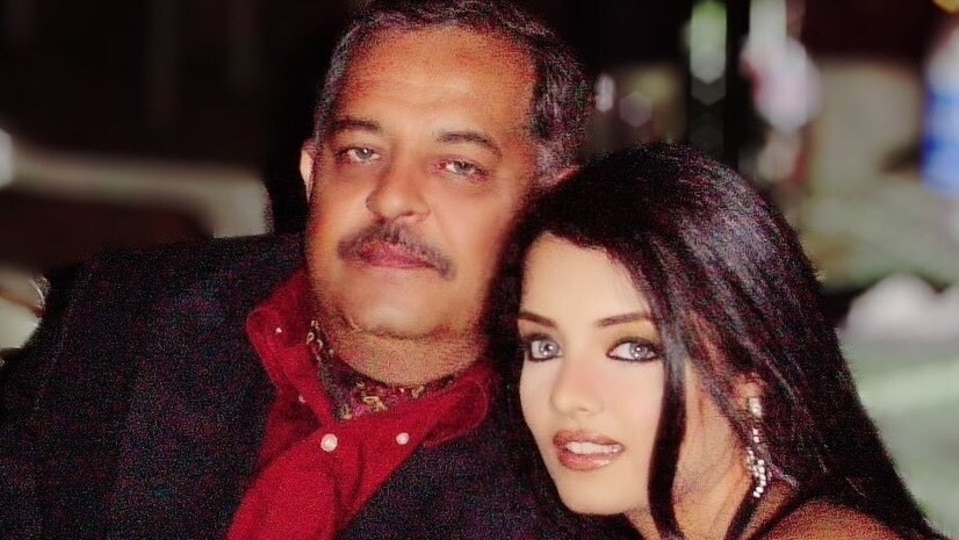
“A 1971 war veteran and an infantryman from the Kumaon Regiment, during the Kargil War, although not deployed at the front, I believe he was involved from base control, playing a role in coordination, communication, and logistics. I was a teenager then and as a daughter, I carry his legacy in pieces, but each one carries immense weight. I saw the weight he carried each day, and throughout his life as an infantry man,” recalls Celina.

During the war period she was living in Kolkata. “What I remember most vividly are the blank stares of parents at their sons’ funerals, the gut-wrenching sobs of young wives/children who had just lost their husbands. It wasn’t just news, it was pain that hung thick in the air, something we witnessed up close with immense heartache. Every home in the Army circle felt it. Every radio transmission, every phone call from the front, we lived and breathed it with a lump in our throats.”

The memories are still fresh 26 years after. “Tense, numb, prayerful – you’re always holding your breath, waiting for news, dreading every unknown number that calls. You try to carry on with life, but emotionally, you’re stationed at the front lines alongside them. The uniform isn’t worn just by the one who serves, it’s felt by the entire family. The women, the children, the elders, we all become silent warriors. Every Kargil dispatch felt personal. And every martyr felt like one of our own.”
The war left a great impact on her brother. “My younger brother was still in school during Kargil, but the war left a deep impact on him. It shaped his life’s path, and he went on to join the Indian Army and serve as a Para SF officer. That sense of duty, born of pain and pride, ran deep in our family,” she says.
Talking about the legacy, she says, “My grandfather, Colonel E. Francis of the Rajputana Rifles, was also an infantryman, a 1962 war veteran, and was wounded during the Chinese aggression. His stories of resilience and sacrifice became part of our family’s DNA. My great-grandfather served in the Army Education Corps and was a World War 1 veteran. So for us, Kargil wasn’t just a chapter in national history, it was a moment that echoed through generations of service and sacrifice.”
She concludes, “There’s pride, of course, but also a quiet grief that never fully goes away. When I see the country remembering Kargil with such respect and reverence, I feel seen, not just as a citizen, but as a soldier’s daughter and granddaughter. But I also remember the cost. Behind every wreath laid and every candle lit, there is a family that paid the ultimate price. My father always said: ‘If you want to honour a soldier, be an Indian worth dying for’.”