E-Paper



Don’t miss a beat: Rising threat of sudden cardiac death in young adults
Causes include heart disease, post-COVID complications, lifestyle triggers, and hidden genetic risks.

 Prefer HTon Google


“Ye dil ka mamla hai” — heart matters, indeed, have become a pressing public health concern. Sudden cardiac death (SCD) among young and seemingly healthy individuals is increasing at an alarming rate, claiming lives across India and the world. The survival rate in such emergencies remains dismally low, underscoring the urgent need for awareness, early detection, and preventive strategies.

A growing crisis
Every year, thousands of young people suffer sudden cardiac arrest (SCA). In India, SCD accounts for 10.3% of all recallable mortality, disproportionately affecting younger, economically productive populations. With a national mortality of around 7 million annually, extrapolations suggest that over 700,000 sudden deaths could occur each year.
These cases are not restricted to those with known heart disease. Athletes, actors, students, and professionals — many without conventional risk factors — have tragically collapsed during daily routines, workouts, or performances. Recent losses include celebrities like singer KK, actor Puneeth Rajkumar, and young athletes such as Zhang Zhijie (17, badminton) and Luis Tejada (41, football). Timely intervention, as in the survival of Shreyas Talpade and Sushmita Sen, proves that awareness and rapid response can save lives.
Why is this happening?
While known causes like acute myocardial infarction, arrhythmias (VT, VF), myocarditis, hypertrophic cardiomyopathy (HOCM), and congenital syndromes (Romano-Ward, Brugada, Jervell-Lange Nielsen) explain some cases, emerging factors are also at play.
Post-COVID complications: Microclotting, polycythemia, and vascular damage are being increasingly recognized as contributors to SCD. Conventional lab tests often fail to detect clotting abnormalities, highlighting the need for advanced diagnostics such as thromboelastography.
Lifestyle triggers: Sudden temperature changes, smoking after heavy meals, poor air quality, and stress from over-exercise (notably post-festivals like Navratri) are recognized risk enhancers.
Silent warning signs: Chest pain, breathlessness, unexplained fatigue, fainting, or nausea should never be ignored. Women may present more with breathlessness than chest pain.
Post-COVID red flags
Doctors emphasize screening for lingering symptoms such as fatigue, brain fog, muscle weakness, sleep disturbances, anxiety, and depression. These may mask underlying cardiac stress and increase risk.
Prevention is possible
Though devastating, sudden cardiac deaths are not always inevitable. Preventive and responsive strategies include:
Early recognition: Paying attention to warning signs and family history of heart disease.
Lifestyle corrections: Balanced diet, reduced processed foods and carbohydrates, antioxidants (Vitamin C, E), Omega-3-rich diets, intermittent fasting, and regular exercise.
Medical preparedness: Access to CPR and Automated External Defibrillators (AEDs) can save up to 40% of lives if used within 2–3 minutes of cardiac arrest. Some countries have even deployed drones to deliver AEDs to emergency sites.
Medical interventions: For high-risk individuals, medicines, interventional procedures, or implantable devices can manage irregular heartbeats or blockages.
The way forward
India faces a looming public health challenge with sudden cardiac deaths. Long-term, population-based studies are essential to understand risk factors, especially in younger groups. In the meantime, public education, preventive healthcare, and rapid emergency response must take center stage.
Sudden cardiac death may strike without warning, but with vigilance, timely diagnosis, and prompt action, countless lives can be saved.
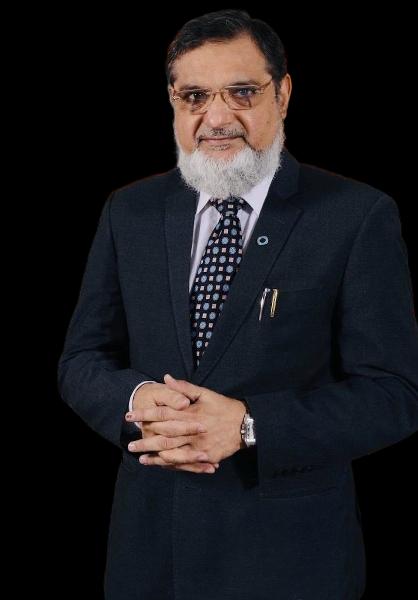
The author of this article is Prof. (Dr) M. Wali, MD FRCP FACC (USA), Sir Ganga Ram Hospital, New Delhi