
 E-Paper



World Self Care Day: Rituals of renewal from around the world
On World Self Care Day today, we spotlight five time-honoured wellness traditions from different countries to nourish both the body and soul.

 Prefer HTon Google


Abhyanga: Ayurveda’s healing power of touch
Ayurveda practices are known for their potent rejuvenating properties. One such technique is the Abhyanga. This massage ritual, traditionally performed in the morning, involves a generous application of warm, medicated oils tailored to one’s body constitution or doshas.
Warm sesame oil for vata, coconut for pitta, mustard or sunflower for kapha, and gently massaging these into the scalp, limbs, joints and the abdomen. It improves blood circulation, stimulates lymphatic drainage and nourishes the skin; the practice is usually followed by a warm bath for complete rejuvenation. Far beyond a beauty ritual, Abhyanga slows ageing, improves sleep, enhances vitality and helps ground the nervous system.
China's Qigong: Breath work for inner peace
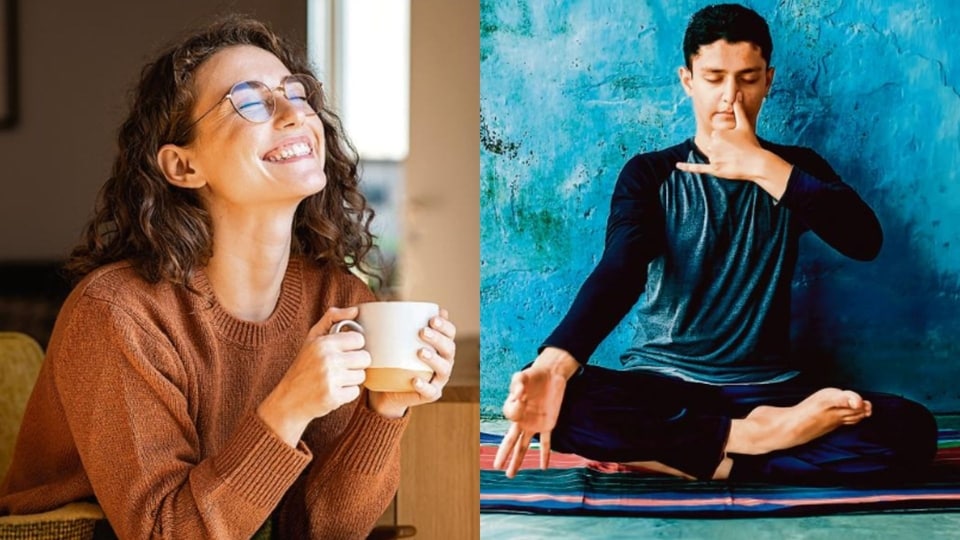
Qigong is a centuries-old Chinese self-care technique that combines flowing movements with meditation to balance the Qi or life force. The focus here is staying present as one syncs breath with motion.
Studies have linked Qigong to improved mood and focus, as well as relief from chronic fatigue and pain. Bearing several similarities to Pranayama, one could easily practise this technique during morning meditation and even incorporate it into workplace wellness programmes as a way to recharge sans equipment.
Coffee and conversations with Swedish fika
Breaks are important, but in Swedish philosophy, it’s all about intent. The concept of Fika, in particular, dictates intentional pauses during work, often with coffee and even a sweet treat.
A study by the National Library of Medicine, USA, found that incorporating Fika significantly reduced sleepiness and improved focus. Mindful downtime fosters social bonding, morale, and chips away at burnout. From the rise of ‘slow cafés’ in India — think Delhi’s Hinoki or Blondie in Mumbai — to short chat-and-chai breaks in workplaces, this is reflecting a culture of mindful pauses, redefining wellness in high-pressure environments.
Dancing through difficulty with African ngoma
In Central and Southern Africa, Ngoma refers to a rhythmic drumming tradition and is often performed at social gatherings, celebrations and healing ceremonies. It stems from the idea that music and dance to address emotional and physical distress. A somatic experience, it helps participants process emotional struggles through communal movement and support. Closer home, you can find similar energies at devotional gatherings, the Mahakal Arti in Ujjain, Ganga Arti in Banaras and chanting sessions at ISKCON temples around the country.
Japanese Shinrin-yoku: Nature therapy at its best
The Japanese tradition of forest bathing — Shinrin-yoku — is an immersive form of therapy where you let the forest become the healer.
Originating in the 1980s, this practice was a national response to urban stress. Take a cue from actor Shahid Kapoor, who reconnected with Nature during a recent trip to Japan (pictured above). To practise Shinrin-yoku, all you need to do is slow down as you walk through the forest. Taking in the sights, sounds and scents and hugging the trees has been linked to reduced stress, lower blood pressure, enhanced immunity, and better mood. Bonus? It’s easily adaptable to India’s forest trails and retreats.
(Written by Richa Singh)


