
 E-Paper



17 states bring into force 'One Nation-One Ration Card' system
States completing the One Nation-One Ration Card system reform are eligible for additional borrowing of 0.25 percent of gross state domestic product (GSDP).


Seventeen states have operationalised 'One Nation-One Ration Card' system with Uttarakhand being the latest to complete the reform, the finance ministry said on Thursday.
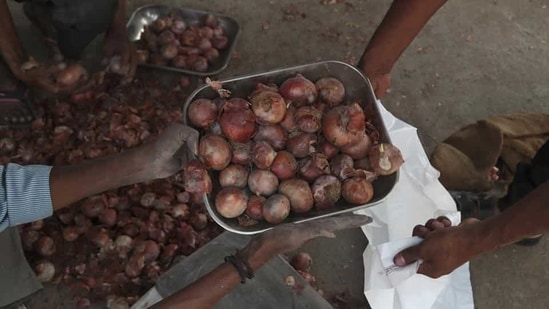
States completing the One Nation-One Ration Card system reform are eligible for additional borrowing of 0.25 percent of gross state domestic product (GSDP).
Accordingly, these states have been granted additional borrowing permission of ₹37,600 crore by the Department of Expenditure, the ministry said in a statement.
Implementation of the One Nation-One Ration Card system ensures availability of ration to beneficiaries under the National Food Security Act (NFSA) and other welfare schemes, especially the migrant workers and their families, at any fair price shop (FPS) across the country.
The reform especially empowers the migratory population mostly labourers, daily wagers, urban poor like rag pickers, street dwellers, temporary workers in organised and unorganised sectors, domestic workers etc, who frequently change their place of dwelling to be self reliant in food security.
Also read: Delhi govt notifies rules for doorstep ration delivery
This technology-driven reform enables the migrant beneficiaries to get their entitled quota of food grains from any electronic point of sale (e-PoS) enabled fair price shops of their choice anywhere in the country.
In view of the resource requirement to meet multiple challenges posed by the Covid-19 pandemic, the Government of India had on May 17, 2020, enhanced the borrowing limit of the states by 2 per cent of their GSDP.
Half of this special dispensation (1 per cent of GSDP) was linked to undertaking citizen centric reforms by the states. The four citizen-centric areas for reforms identified by the Department of Expenditure were — implementation of One Nation-One Ration Card system; ease of doing business reform; urban local body and utility reforms; and power sector reforms.


