
 E-Paper



1947 India Pakistan war to Operation Sindoor: A look at the conflict so far
Tensions between India and Pakistan have been rising again since the Pahalgam attack, following which India conducted air strikes on terror camps in Pakistan.

 Prefer HTon Google


Since Independence, India and Pakistan have engaged in war at least three times apart from border skirmishes escalating to war-like conditions. Tensions between the two nations have been rising again since the Pahalgam terror attack.
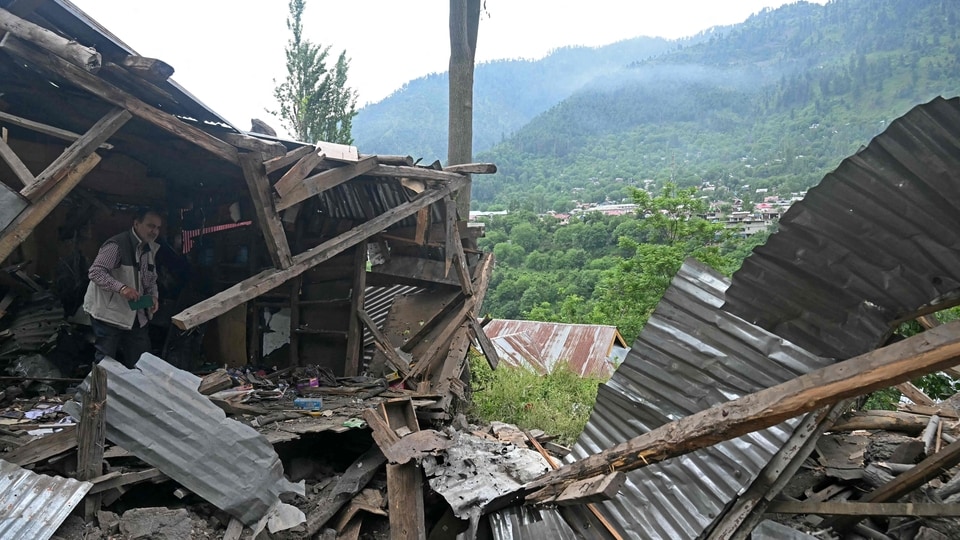
Here's a look at the troubled history of the two neighbours:
1947-48: Post-partition conflict
Jammu and Kashmir became a flashpoint between the two countries, leading to a war. The UN brokered a ceasefire in 1948.
1965: Second India-Pakistan war
Territorial disputes in Kashmir led to full-scale war and intense fighting between India and Pakistan. The Tashkent Agreement was signed in January 1966, leading to a return to pre-war positions and the establishment of a peace framework.
1971: Bangladesh liberation war
India intervened in East Pakistan (now Bangladesh) following the Bangladesh Liberation War, resulting in the creation of Bangladesh. India won a decisive military victory over Pakistan.
1986-87: Operation Brasstacks
India conducted Operation Brasstacks, raising concerns of a potential war after Pakistani mobilisation. Diplomatic engagements helped de-escalate tensions conflict.
1989: Kashmir insurgency
Kashmiri dissidents, backed by Pakistan, launched an armed insurgency against the Indian government. India deployed a large number of troops to suppress the rebellion.
1999: Kargil War
Pakistani troops, disguised as terrorists, infiltrated the Kargil region of Jammu and Kashmir. India responded with full military force, leading to intense fighting. India successfully repelled the intruders and re-established control over the territory. The conflict ended with return to status quo along LoC.
2001-02: Indian Parliament attack
The Indian Parliament was attacked by Pakistan-based terrorists, leading to a massive military standoff between India and Pakistan, with both nations mobilising troops along the border.
2008: Mumbai attacks
After Mumbai attacks, India accused Pakistan-based groups of involvement, and both sides readied military forces along LoC. While military confrontation was avoided, diplomatic ties between the two countries were strained.
2011: LoC skirmish
On the Line of Control (LoC) in Kashmir, five Indian soldiers and three Pakistani soldiers were killed in a skirmish, with both sides blaming each other. The incident heightened tensions and calls for restraint from both sides.
2013: Mendhar sector incident
After beheading of an Indian soldier in Jammu & Kashmir, skirmishes broke out, leaving 22 soldiers dead.
2016: Surgical strikes
India carried out surgical strikes on terrorist camps across the LoC in response to the Uri attack, a series of cross-border skirmishes. They were followed by retaliatory strikes from Pakistan.
2019: Balakot airstrike
Following the Pulwama attack, India conducted airstrikes in Balakot, Pakistan, leading to a dogfight between the air forces of both countries.
2020-21: LoC skirmishes
A major exchange of gunfire and shelling along the LoC left at least 22 dead, including civilians. The ceasefire violations led to increased casualties and displacement of civilians. A ceasefire agreement was reached in February 2021.


