
 E-Paper



J&K man arrested for 1989 kidnap of Mufti Sayeed's daughter Rubaiyya; ‘conspired with Yasin Malik’
Shafat Ahmed Shangloo was allegedly an office-bearer of a banned terror group JKLF and was handling the outfit's finances

 Prefer HTon Google


Nearly 36 years later, a person allegedly connected to the sensational 1989 kidnapping of Rubaiyya Sayeed, the daughter of the then union home minister Mufti Mohammed Sayeed, has been arrested by the Central Bureau of Investigation (CBI), officials said on Monday, December 1.
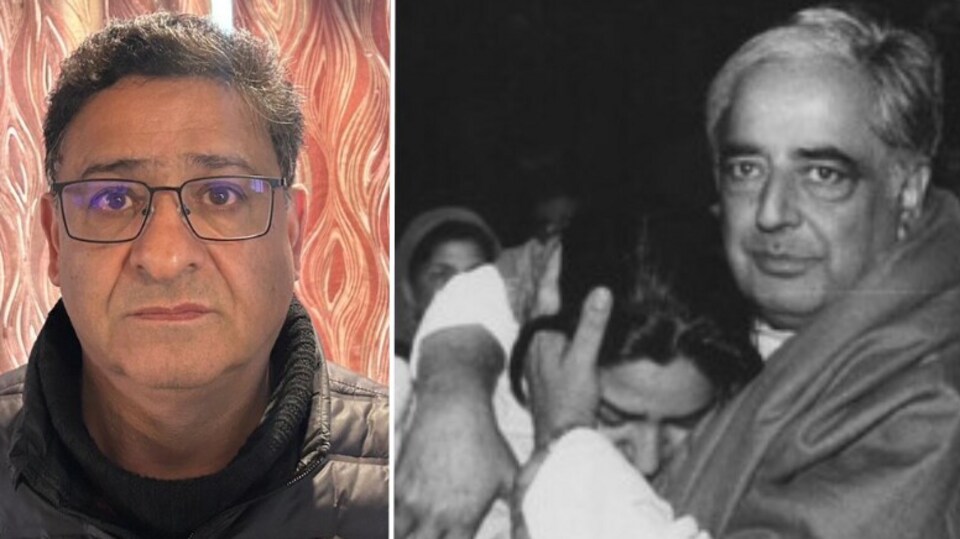
Identified as Shafat Ahmed Shangloo, the man was allegedly part of a conspiracy hatched by members of the banned terror group Jammu & Kashmir Liberation Front (JKLF) led by Yasin Malik, who is in jail in this and other cases. According to officials, Shafat was an office-bearer of the banned terror group and was handling the outfit's finances, news agency PTI reported. He carried a reward of ₹10 lakh, CBI said.
The CBI, along with the Jammu and Kashmir Police, arrested Sahafat from his residence in the Nishat area in Srinagar after following the due legal process, PTI quoted officials as saying.
Malik, 56, lodged in Delhi's Tihar Jail and serving a jail term in a terror financing case, has been attending the court hearings through video-conferencing. He has been identified by eyewitnesses, including Rubaiyya Sayeed, the PTI report said. During the court hearings, Rubaiyya Sayeed identified four other accused besides Malik as being involved in the crime.
Rubaiyya Sayeed was abducted from near Lal Ded Hospital in Srinagar on December 8, 1989, and was freed five days later after the then VP Singh government at the Centre released five terrorists in exchange.
Now living in Tamil Nadu, Rubaiyya Sayeed is listed as a prosecution witness by the CBI, which took over the case in early 1990, PTI reported.
A special court has already framed charges against Malik and nine others in the kidnapping case of Sayeed.
He was arrested in early 2019 in connection with the 2017 terror financing case registered by the NIA. He was sentenced by a special National Investigation Agency (NIA) court in May last year.


