
 E-Paper



Acrimonious Parliament monsoon session concludes early
The Lok Sabha functioned for just 44 hours and 29 minutes, making this the least productive session in the 17th Lok Sabha since the 2021 monsoon session, which clocked 21 hours and 20 minutes amid protests over the Pegasus snooping controversy, according to an official.


A tumultuous monsoon session of Parliament, marred by prolonged protests and frequent disruptions, ended four days ahead of the schedule on Monday, with an emotional farewell to outgoing Vice President M Venkaiah Naidu.
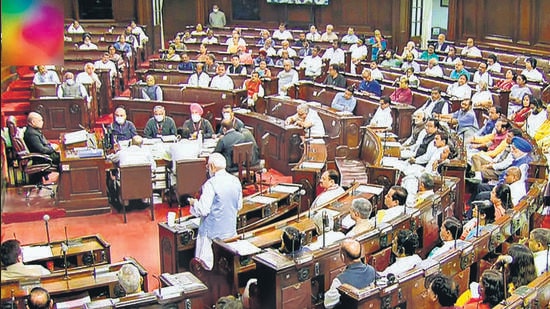
The Lok Sabha functioned for just 44 hours and 29 minutes, making this the least productive session in the 17th Lok Sabha since the 2021 monsoon session, which clocked 21 hours and 20 minutes amid protests over the Pegasus snooping controversy, according to an official.
Parliament cleared a total of five bills during the session, in which it also discussed the raging price rise issue. The government also withdrew the much-anticipated data privacy bill during the session.
In his valedictory speech, Naidu said: “The session was characterised by regular and continuous disruptions, which deprived members of the opportunity to discuss matters of urgent public importance and seek the accountability of the executive through questions.”
The monsoon session saw the loss of at least 51 hours on account of disruptions. The Upper House worked for 38 hours and lost 47 hours in interruptions. Naidu, the outgoing Rajya Sabha chairman, described the performance as “a sad reflection on the functioning” of the Upper House.
On Monday, Prime Minister Narendra Modi hailed Naidu’s wit and one-liners , praising the latter’s five-year term as the Vice President and Rajya Sabha chairman during which the “productivity of the House increased 70%”. Naidu completes his five-year term on August 10.
While there were frequent protests by the Opposition in both Houses, a major part of the Opposition’s action also spilled into streets outside the parliament complex, with demonstrations against the price rise and alleged misuse of the Enforcement Directorate. In an unusual move, ED summoned leader of the Opposition, Mallikarjun Kharge, in the Rajya Sabha to depose on August 4 afternoon, when Parliament was in session.
Proceedings were disrupted since the beginning of the monsoon session, as opposition parties demanded an immediate discussion on issues linked to price rise and the Goods and Services Tax, and later over the suspension of 23 members.
Trinamool Congress MP Derek O’Brien hit out at the government for cutting short the monsoon session. “This is the seventh consecutive time Parliament session has been cut short… Stop mocking #Parliament. We will fight for its sanctity and prevent PM Narendra Modi and Amit Shah from turning this great institution into the Gujarat Gymkhana,” O’Brien said in a tweet.
Nineteen MPs were suspended in the Upper House and four MPs were suspended in the Lower House, underlining the intensity of the Opposition-sponsored protests during the session. The Lok Sabha, however, revoked the suspension of its members after a week.
The previous monsoon session was nearly washed out over allegations of surveillance using Israeli spyware Pegasus and over demands to repeal three contentious farm laws. This time, soaring prices, a recent imposition of Goods and Services Tax on food items and the alleged misuse of ED by the government against its political opponents rocked both Houses for weeks.
The election of President Droupadi Murmu and Vice President Jagdeep Dhankhar — the latter will start presiding over the Rajya Sabha from the winter session — was also conducted during this session.
Lawmakers from both the Houses bid farewell to President Ram Nath Kovind in the Central Hall on July 23, and two days later, President Droupadi Murmu took oath.
Lok Sabha Speaker Om Birla informed the House that it sat for 16 days and spent 44 hours and 29 minutes working. He added that oral answers were given to 46 starred questions and “the members raised 318 matters of public interest under Rule 377. During the Zero Hour, members raised 98 important issues.”
A total of 41 reports were presented by various standing committees during the session.
In the Upper House, out of the 235 starred questions admitted, only 61 could be answered orally. “Only 25 matters could be raised by members and only 60 special mentions could be made during the entire session. The House discussed the issue of rising prices of essential items in the form of a short duration discussion which lasted for more than four hours in which 33 members participated in the debate,” said Naidu.
In the Lok Sabha, seven bills were passed. In the Rajya Sabha, five bills were considered and passed in the session.
The bills cleared in Parliament are The National Anti-Doping Bill, The Indian Antarctic Bill, The Weapons of Mass Destruction and their Delivery Systems (Prohibition of Unlawful Activities) Amendment Bill, The Family Courts (Amendment) Bill, 2022 and The Central Universities (Amendment) Bill. The last two bills were introduced in this session.


