E-Paper



Action against 2,900 TEIs that didn’t submit performance appraisal reports: NCTE
NCTE is the statutory body responsible for maintaining norms and standards in the teacher education system

 Prefer HTon Google


NEW DELHI: The National Council for Teachers Education (NCTE) will take action against at least 2900 teacher education institutes (TEIs) that have not submitted their performance appraisal reports (PAR) online for 2021-22 and 2022-23, said council chairperson Pankaj Arora on Thursday.
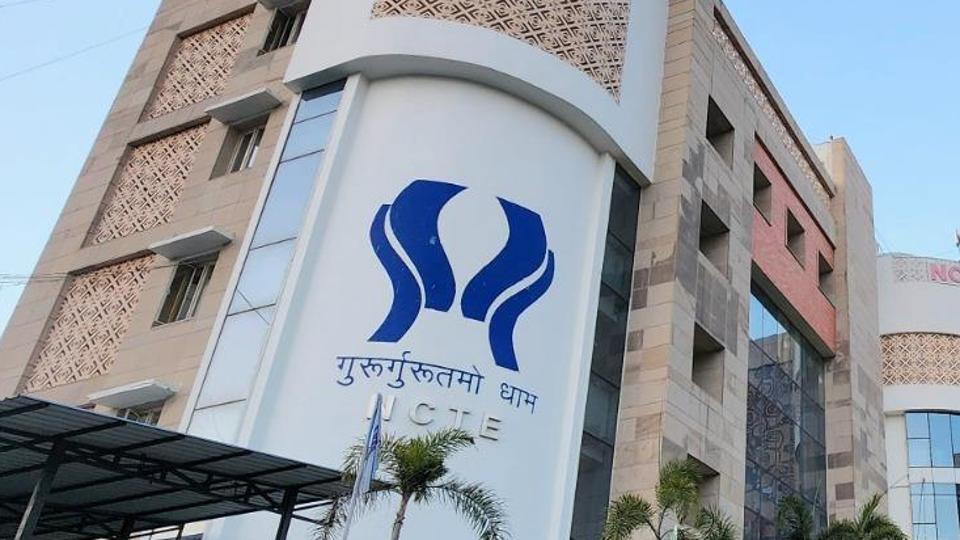
The last date for PAR submission was December 30, 2024.
Arora said NCTE has constituted a five-member expert committee headed by Harish Chandra Singh Rathore, chairperson of Northern Regional Committee (NRC) of NCTE who told HT that “the actions against such institutes include their closure too.”
NCTE, the statutory body responsible for maintaining norms and standards in the teacher education system, mandated submission of PAR in September 2019 to ensure that recognised institutions comply with NCTE norms, standards, and guidelines.
“Before PAR, NCTE used to provide recognition after a one-time assessment. There was no process for verifying whether TEIs were adhering to NCTE norms and guidelines or not. The NCTE Act 1993 provides us the power for periodic checking of TEIs and we are exercising it through PAR,” NCTE chairperson Arora told HT.
As part of the PAR submission process, TEIs have to provide various documents, including faculty details with qualification records, institutes’ financial statements, and geo-tagged pictures and documents.
“The PAR submission process is fool-proof and robust. Institutes found submitting incorrect information are given an opportunity to explain their position. If they fail to justify, appropriate action is taken as per the provisions of the NCTE Act 1993,” Rathore said.
Arora said this is the first time that NCTE is planning to take action against TEIs which haven’t submitted PAR.
Arora said that NCTE will soon be issuing show-cause notices to the institutions which have not submitted their PARs for 2021-22 and 2022-23.
“Suitable action as suggested by the expert panel will be taken against TEIs if the panel is not satisfied with their responses. The expert panel will suggest action against TEIs under clause 17 of NCTE Act 1993 which deals with the contravention of provisions of the Act and consequences thereof,” he added.
Clause 17 of the NCTE Act 1993 allows NCTE to withdraw recognition from institutions that fail to meet prescribed guidelines. Upon withdrawal, their affiliation must be canceled, and non-compliance may lead to legal action, ensuring accountability and quality in teacher education.