
 E-Paper



African Swine Fever kills over 2,000 pigs in MP's Rewa, 800 in Ranchi
According to the 2009 Prevention and Control of Infections and Contagious Animal Disease Act, the Rewa district authorities have issued prohibitory orders outlawing the transportation, purchase, and sale of pigs and their flesh.

 Prefer HTon Google


More than 2000 pigs have died in Madhya Pradesh's Rewa due to African Swine Fever (ASF) over the past two weeks. According to the 2009 Prevention and Control of Infections and Contagious Animal Disease Act, the Rewa district authorities have issued prohibitory orders outlawing the transportation, purchase, and sale of pigs and their flesh.
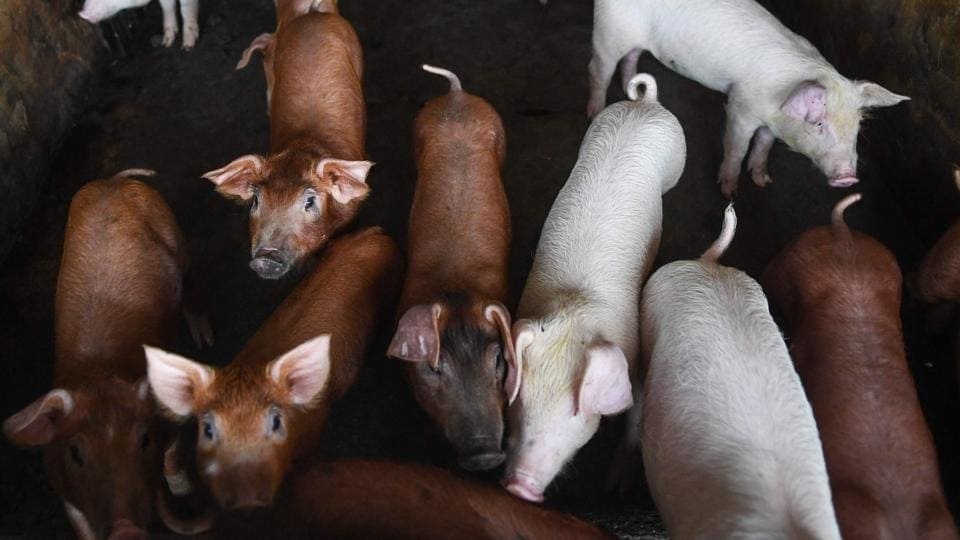
According to the district's animal husbandry department, of the 25,000 pigs in the city, ward 15 in Rewa had the highest concentration of diseased pigs. The department declared the area as a "red zone," and all pigs within a kilometre radius were screened and given the illness vaccine along with healthy animals.
Meanwhile, in Jharkhand's Ranchi, over 800 pigs have fallen to death owing to African Swine Fever since July 27. While Ranchi district has reported the number of pig deaths so far, a warning has been sent to all 24 districts urging them to take precautions.
Also Read | Ludhiana | ‘Pigs infected with African swine fever need to be culled’
The samples were transferred to the National Institute of High Security Animal Diseases (NIHSAD) in Bhopal for testing as per the directives from both Rewa and Ranchi, and the results indicated that African swine disease was detected.
Institute of Animal Health and Production director Vipin Bihari Mahta said, “In ASF, the deaths are sudden. The animals get symptoms of fever, stop eating and they die soon after.”
ASF, a highly contagious viral hemorrhagic disease of pigs, cannot be passed from animals to people. The animal husbandry departments have published a list of "dos" and "don'ts" for swineherds in response to the seriousness of the situation.
In India, the first case of the disease was first detected in Assam in February 2020 that later affected both domestic and feral swine.
(With inputs from agencies)


