
 E-Paper



Air India crash: How metal plates, knee caps helped doctors identify bodies
Air India crash: Some bodies were burnt to such an extent that parts of them were coming off.

 Prefer HTon Google


A BJP MLA on Monday revealed how the Ahmedabad administration identified the bodies of some of the victims of the Air India plane crash using metal rods that had been inserted inside them during medical procedures.
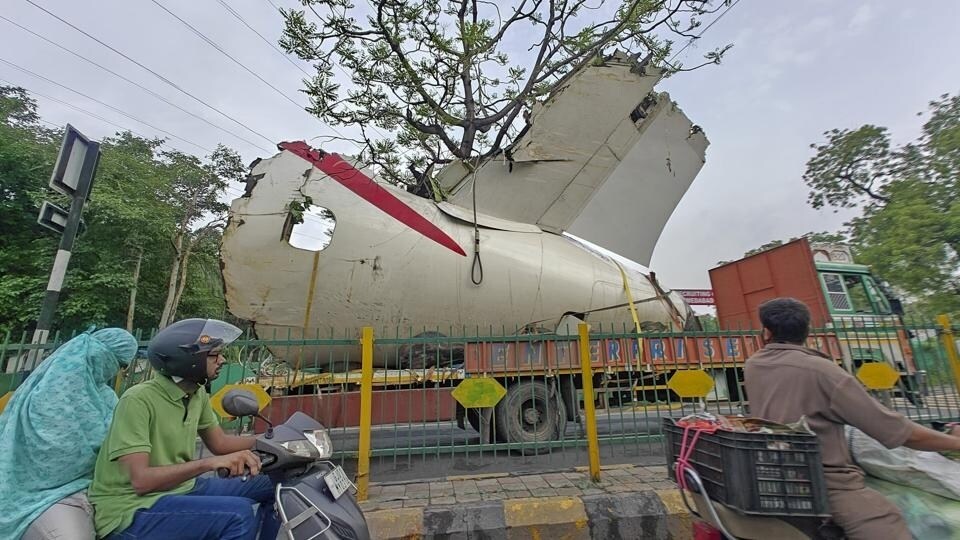
BJP MLA Dr Hasmukh Patel, who has been involved in the identification process of victims and tagging corpses, narrated the problems medical staff had been encountering in taking on the monumental task of identifying the victims, who were charred beyond recognition.
"The (BJP) MLAs got a message from the party to reach the crash site, but it was chaotic. I called the civil hospital and was told that bodies were being brought there," he told PTI.
The legislator from Amraiwadi said some bodies were burnt to such an extent that parts of them were coming off.
"We started tagging the bodies with tapes with the sequence of their arrivals. The tags would be put with the cotton tape on the body parts wherever possible — head, chest, arm," he said.
Also read: DGCA introduces special audits after Air India crash
Under normal circumstances, victims would have been identified with the help of physical traits such as hair and ornaments on their person. However, with the temperature reaching over 1000 degrees Celsius in the aircraft at the time of the crash, even this is of little help, he said.
He said many of the victims had undergone knee replacement surgeries and had surgical plates, rods inserted for medical reasons. These characteristics helped them identify some of the victims.
"We soon observed that although some bodies were charred, we could make out that some of the victims had undergone knee replacement surgeries, and some had (surgical) plates, rods inserted in their bodies for medical reasons. We noted down these characteristics along with the tags," he added.
He said that "bodies with specific physical characteristics were isolated".
"When relatives started pouring in, they were asked to provide basic details about the victims. The characteristics noted down while tagging the bodies helped in matching the DNA of some victims, making the process easier," he added.
Air India crash
270 people, including 241 passengers and crew, died in the plane crash.The identities of 251 victims have been ascertained through DNA tests. 245 bodies have been handed over to the families.
With inputs from PTI


