
 E-Paper



Maharashtra: All state zoos to submit details of suspected Covid-19 cases within 2 days
Zoos have been asked to send reports on animals displaying medical issues such as coughing, nasal discharge, respiratory distress, diarrhoea, anorexia, nervous symptoms and fever.


Maharashtra Zoo Authority (MZA) has issued directions to all zoos and rescue centres for containment of suspected coronavirus cases in captive animals.
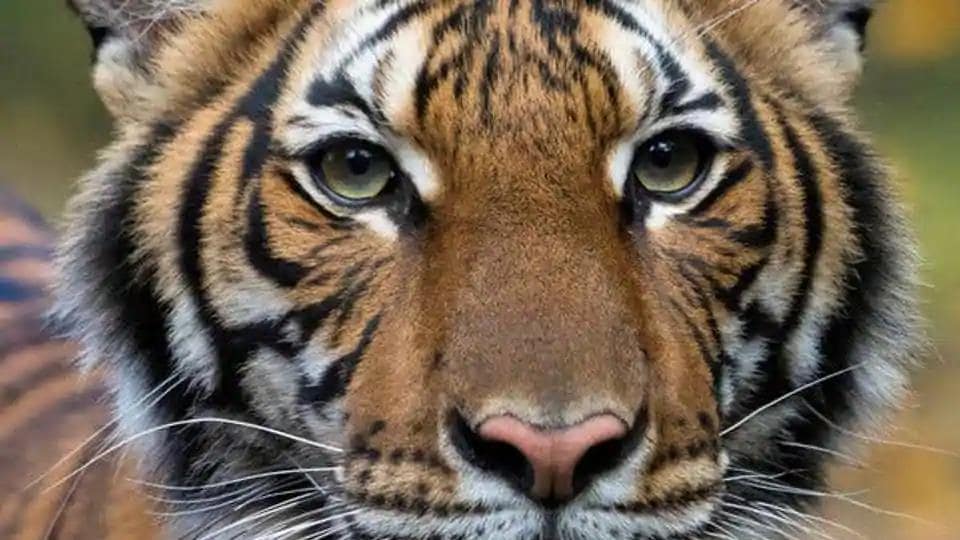
Zoos have been asked to send reports on animals displaying medical issues such as coughing, nasal discharge, respiratory distress, diarrhoea, anorexia, nervous symptoms and fever. The authorities have also been asked to send reports on overall sanitation, regular health check of zoo workers, bio-containment and safety measures, using personal protective equipment (PPE) during feeding etc.
The report is to be submitted to the authority by Sunday by 13 zoos, rescue centres and national parks (having captive animals for safaris) including Sanjay Gandhi National Park (SGNP) and the Byculla Zoo in Mumbai.
“So far we have no reports of any animals showing unusual symptoms or ill-health across any captive animal centres in Maharashtra,” said Ravikiran Govekar, member secretary of the MZA. “However, considering the seriousness of the issue, this checklist has been prepared to understand the current status of all centres and if any suspected cases, immediate samples to be collected and remedial measures to be provided per Central government guidelines.”
Zoological parks and animal safaris across the country have been asked to be on high alert and check for animals showing any symptoms of the Covid-19 virus after the first confirmed case of a tiger testing positive for coronavirus in New York was reported last Sunday. On Monday, the Centre appointed three animal health institutes to initiate Covid-19 testing for animals.
“The testing method for animal samples was developed at our Hisar facility almost a month back. Captive or wild animals need to be tranquilised first, the throat swab is then collected and transported to Bhopal or Hisar under cold chain. Results will be declared within a day,” said Dr BN Tripathi, director, National Research Centre on Equines in Hisar, Haryana.
The MZA has further directed each zoo premises to be demarcated zones by different colour codes (using coloured ribbons) indicating restricted entry even among staff (in some areas only certified veterinarians would be permitted). “Zoos have been asked to keep a record of staff exiting and entering the premises, restrict entry for any unauthorised persons, keep records of treatment to animals discreet, and take proper documentation of bio-safety measures,” said Govekar.
Meanwhile, the Byculla Zoo said they had consulted Maharashtra government for PPE acquisition. “Since the outbreak, our staff in direct contact with animals have maintained appropriate social distancing and have not stepped out of the zoo premises. Also, they are maintaining physical distancing guidelines while feeding or taking care of animals,” said Sanjay Tripathi, director.
Currently, the number of captive cats across zoos and rescue centres in Maharashtra include 36 tigers, five lions, and 88 leopards. “There is no reason for panic. All animals in SGNP are healthy and eating well. We haven’t noticed any specific symptoms such as nasal discharge, coughing or respiratory distress. Maximum care for personal hygiene, sanitation and biosecurity measures are being taken,” said Shailesh Pethe, a veterinarian at SGNP.
What US authorities on Covid-19 positive tiger
The United States Department of Agriculture’s (USDA) National Veterinary Services Laboratories issued a statement confirming SARS-CoV-2 (the virus that causes Covid-19 in humans) in one tiger at a zoo in New York last Sunday. “This is the first instance of a tiger being infected with Covid-19. Samples from this tiger were taken and tested after several lions and tigers at the zoo showed symptoms of respiratory illness. Public health officials believe these large cats became sick after being exposed to a zoo employee who was actively shedding the virus. All of these large cats are expected to recover. “There is no evidence of this virus affecting animals at any other facilities in the United States.”


