
 E-Paper



Archaeologists discover world’s first settlement destroyed by tsunami in Gujarat
Marine archaeologists on Monday claimed to have discovered the world’s first ancient urban settlement, which could have been destroyed by a tsunami.


Marine archaeologists on Monday claimed to have discovered the world’s first ancient urban settlement, which could have been destroyed by a tsunami.
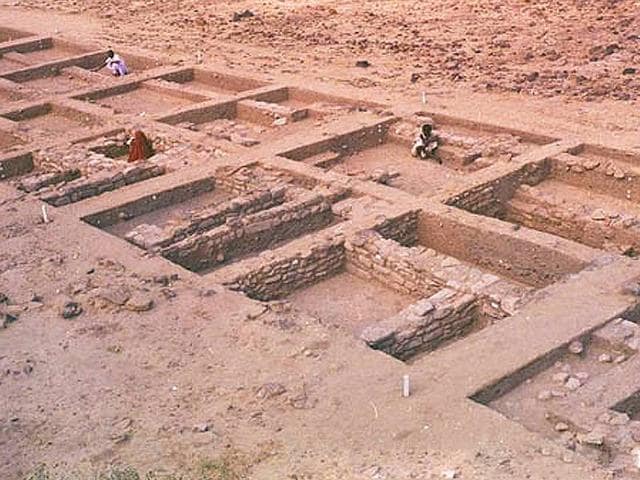
Addressing a press conference in Panaji, National Institute of Oceanography director SWA Naqvi said that the archaeological site of Dholavira in the Rann of Kutch in Gujarat, which was a well-planned urban settlement then, was destroyed by a tsunami around 3,450 years ago.
“This is the oldest site known to the world which we believe was hit by a tsunami,” he said.
Dholavira is a site of an ancient metropolitan town of the Harappan period and was known as the largest port-town of the Harappans which flourished around 5,000 years ago, until the tsunami destroyed it 3,450 years ago.
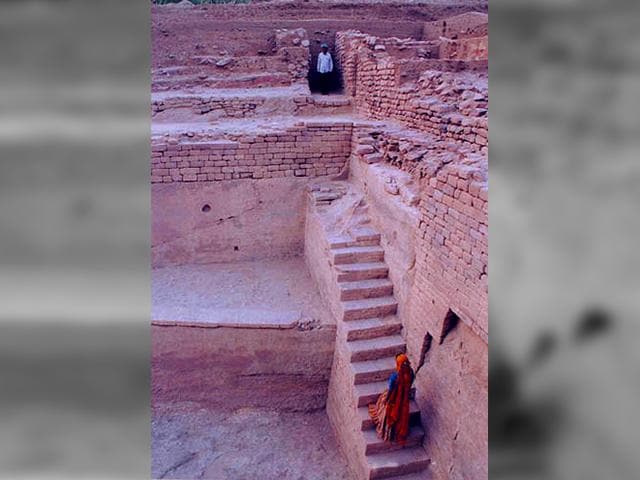
Dholavira, the second largest Harappan site located within the present borders of India, comprises three parts including a castle, the middle town and the lower town.
“A unique feature of Dholavira is the presence of a 14-18 meters thick wall, apparently built as a protective measure against tsunamis,” said Rajiv Nigam, a lead scientist at the NIO.


