
 E-Paper



Covid-19: As race for vaccine heats up, new techs come to fore
With five coronavirus disease (Covid-19) vaccine candidates in phase 1 clinical trials to establish safety for humans and 73 in exploratory or preclinical stages, a vaccine is likely to be ready in early 2021, the analysis says.


The development of a vaccine for Covid-19 is proceeding at an unprecedented pace and scale, and also using innovative technologies, according to an analysis of the global Covid-19 vaccine development database, published in the journal Nature Reviews Drug Discovery.
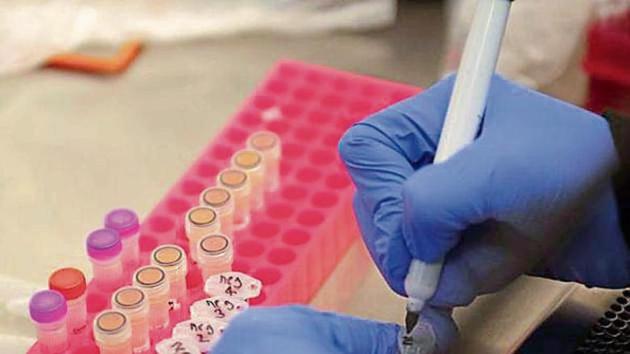
With five coronavirus disease (Covid-19) vaccine candidates in phase 1 clinical trials to establish safety for humans and 73 in exploratory or preclinical stages, a vaccine is likely to be ready in early 2021, the analysis says.
As many as 78 projects have reached the active stage of development within three months of genetic sequence of Sars-CoV-2, the coronavirus that is causing the current pandemic, being published on 11 January 2020, according to the Coalition of Epidemic Preparedness (Cepi), one of the world’s biggest public funders of vaccine development.
Adaptive and parallel vaccine development phases, innovative regulatory processes and advanced manufacturing capacity have helped fast-track development, which traditionally takes an average of a decade. Even accelerated efforts, such as that for the first Ebola vaccine, took five years.
Of the confirmed active vaccine candidates, 56 (72%) are being developed by the private sector, with the rest being led by academic, public sector and other non-profits. There are 37 unconfirmed projects for which development status cannot be determined from publicly available or proprietary information sources, according to the analysis.
Most Covid-19 vaccine development activity is in North America, with 36 (46%) developers of the confirmed active vaccine candidates, compared with 14 (18%) in China, 14 (18%) in Asia (excluding China) and Australia, and 14 (18%) in Europe. There is no public information on vaccine development in Africa or Latin America, said the report.
A range of new technology platforms are being used, including nucleic acid (DNA and RNA), virus-like particle, peptide, viral vector (replicating and non-replicating), recombinant protein, live attenuated virus and inactivated virus approaches, many of which have never before been used to develop vaccines that are currently licenced for use.
“Most vaccine development focuses on identifying the genetic code of the protein that a virus uses to enter human cells, which is then used in the vaccine to trigger an immune response against subsequent exposure in people who are vaccinated. The virus can also be genetically modified to be rendered harmless to make inactivated vaccines, such as polio, rabies, and hepatitis A and B, which often require multiple doses,” said Dr N K Ganguly, former director general, Indian Council of Medical Research (ICMR).
Scientists are leveraging existing work on vaccines against the Middle East Respiratory Syndrome (Mers) coronavirus and rapid response platforms with 2 Sars-CoV-2 genetic sequences inserted to speed up vaccine development against the novel virus. “The speed with which we have [produced these candidates] builds very much on the investment in understanding how to develop vaccines for other coronaviruses,” said Richard Hatchett, CEO, Cepi.
Most developers for the Covid-19 vaccine are focusing on platforms based on nucleotides, which are the building blocks of genetic material, DNA and RNA, because of their potential for speed and flexibility for antigen manipulation. Sars-CoV-2 consists of a strand of RNA enclosed in shell covered with crown-like spikes (explaining its name; Corona is derived from the Latin for crown) . Producing an immune response against the viral spike (S) protein can prevent it from entering cells and multiplying to cause infection.
“Vaccines based on viral vectors offer a high level of protein expression and long-term stability, and induce strong immune responses,” said Dr Ganguly.
Vaccine development, on average, takes 10.71 years from the preclinical phase, and has a market entry probability of 6%, according to a study in journal PLOS One.
“Any vaccine development requires a lot of testing for to establish it’s efficacious and safe, we need to make sure countries licence the vaccine through proper procedure. They then need to get a massive build up in manufacturing capacity and have a system to ensure that those who need the vaccine the most get it first,” said Dr David Nabarro, the World Health Organisation’s special envoy on Covid-19.
“Accelerating vaccine discovery process should not compromise safety and evaluation of effectiveness and safety at each step is imperative. Countries need to also build manufacturing, distribution and delivery capacity to ensure it reaches those who need it most,” said a public health specialist in India, requesting anonymity.
Animal models that specifically assess vaccine efficacy have been developed, using ACE2-transgenic mice, hamsters, ferrets and rhesus macaques. A small study from China posted in the preprint database medRxiv, found rhesus macaques don’t get re-infected with Sars-Cov-2, which provides evidence that vaccines will offer protection, though for how long remains unclear.
“The changes in a virus’ genetic sequence must also be tracked to establish patterns and predict its behaviour, on how it will spread and whether it is likely become more virulent. To develop an effective vaccine, we need study consistent virus change,” said Dr Ganguly.


