
 E-Paper



Asaduddin Owaisi moves SC seeking stay on implementation of CAA
The CAA aims to expedite citizenship for undocumented non-Muslim migrants from Pakistan, Bangladesh, and Afghanistan who arrived in India before Dec 31, 2014

 Prefer HTon Google


All India Majlis-E-Ittehadul Muslimeen (AIMIM) chief Asaduddin Owaisi on Saturday moved the Supreme Court seeking to stay the implementation of the Citizenship Amendment Act (CAA), 2019, reported ANI.
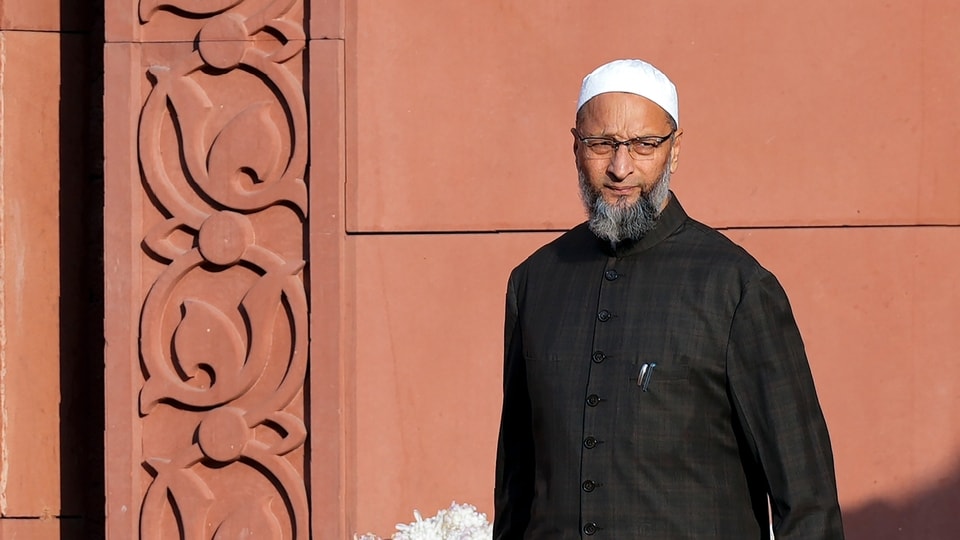
In his petition, Owaisi said that no applications seeking a grant of citizenship status can be entertained or processed by the government under Section 6B of the Citizenship Act,1955 (as it stands amended by the Citizenship (Amendment) Act, 2019) during the pendency of the proceedings.
The CAA was passed by the Parliament in December 2019. However, rules for it were issued by the Union government earlier this week on Monday.
The law aims to fast-track citizenship to non-Muslim refugees, who came to India because of religious persecution from Pakistan, Bangladesh and Afghanistan on or before December 31, 2014.
Over two hundred connected petitions, filed in the top court since 2019, have challenged various CAA provisions. The Supreme Court will hear the petitions on March 19.
The notification of the Act triggered criticism from Opposition leaders, who claimed that the notified rules were “unconstitutional”, “discriminatory” and violative of the “secular principle of citizenship” enshrined in the Constitution.
Also Read | Amid CAA row, Asaduddin Owaisi questions fate of ‘1.5 lakh Muslims left out of NRC in Assam’
Owaisi argues that the law by the Modi government is against the constitution. “This law made by the Modi government four years ago is against the constitution. You cannot make laws on the basis of religion. There are several Supreme Court judgments on this. CAA is against the Right to Equality,” he has said.
Other critics of the CAA also argue that by excluding Muslims from its purview and linking citizenship to religious identity, the law undermines the secular principles enshrined in the Indian Constitution.
Also Read | CAA will never be taken back; rules now a formality: Amit Shah tears into Oppn
The Centre, however, has maintained that the CAA is about granting citizenship and that no citizen of the country will lose citizenship.
Union Home Minister Amit Shah has also asserted that CAA will never be taken back and the BJP-led government will never compromise with it.


