
 E-Paper



Assam: 70% of Kaziranga national park submerged by flood; 4 hog deer killed
Assam chief minister Himanta Biswa Sarma directs diversion of all heavy vehicles passing through the Kaziranga national park till flood situation improves


Flood waters have submerged nearly 70% of the Kaziranga National Park and Tiger Reserve (KNPTR) in Assam, forcing wild animals to move to higher grounds for safety.
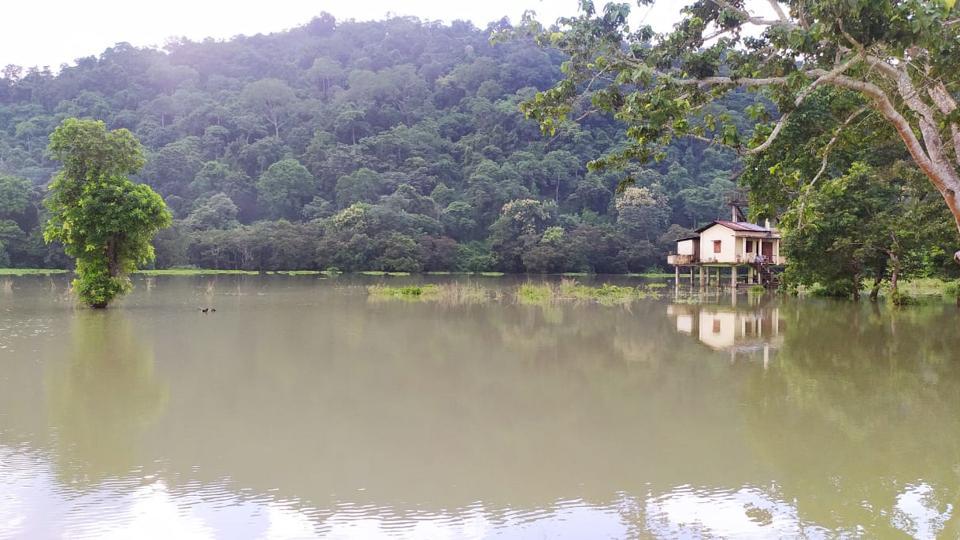
The park, spread across 430 sq km, has witnessed deaths of four hog deer till Monday morning due to drowning, attacks by villagers and accidents while crossing the National Highway-37 that passes through the reserve.
The flood situation across Assam deteriorated slightly on Monday with the number of affected districts rising to 21 from 16 and affected persons rising to 363,135 from over 258,000 a day earlier.
According to Assam State Disaster Management Authority (ASDMA), 950 villages in 50 revenue circles of the affected districts have been hit by flooding. Two incidents of drowning, the first human casualties due to floods this season, were reported in Barpeta and Morigaon districts.
According to KNPTR authorities, 125 of the total 223 anti-poaching camps used for patrolling and keeping a tab on the animals are inundated at present while one has been vacated due to flooding.
On Monday, chief minister Himanta Biswa Sarma ordered that heavy vehicles are kept off the road passing through the national park until significant improvement in the flood situation.
“From Sunday, we have introduced a timecard system for vehicles, directing them not to cross the speed limit of 40 km/hr while passing through the park. This helps in saving the animals from getting hit by speeding vehicles,” said P Sivakumar, director, KNPTR.
Every year, as flood waters inundate KNPTR, hundreds of wild animals including deer, rhinos, wild buffaloes and elephants cross NH-37 and head towards the hills of nearby Karbi Anglong district. Some get hit by vehicles while crossing the highway, especially at night.
“We expect the flood waters to recede in the next few days as there’s no forecast for heavy rainfall soon,” said Sivakumar.



