
 E-Paper



Ayodhya hearing: Hindu parties reject Muslim claim over site
Senior advocate CS Vaidyanathan, arguing on behalf of Ram Lalla, the child deity, rejected the arguments of the Muslim parties that Lime-Surkhi was introduced in India during the Islamic rule.

 Prefer HTon Google


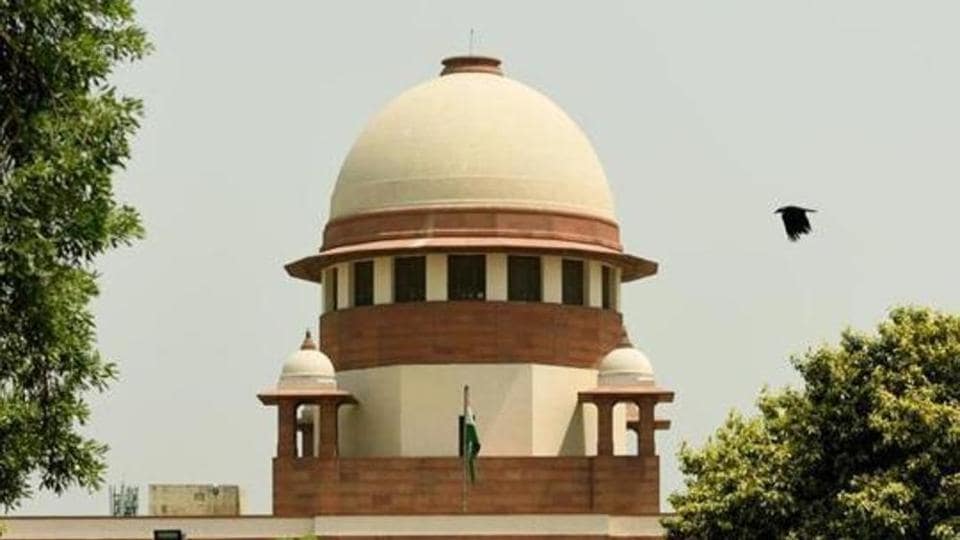
The humble construction material Lime-Surkhi held centre stage at the hearing in the Ram Janmabhoomi-Babri Masjid title suit in the Supreme Court on Thursday even as the judges said they will not take into consideration any new evidence at this stage in the case.
Senior advocate CS Vaidyanathan, arguing on behalf of Ram Lalla, the child deity, rejected the arguments of the Muslim parties that Lime-Surkhi was introduced in India during the Islamic rule.
The Muslim parties had argued that the plaster made of Lime-Surkhi on the walls of a structure, discovered by the Archeological Survey of India during excavations in Ayodhya in 2003, was evidence that it was Islamic and part of an Idgah, where Eid prayers are offered.
But Vaidyanathan rejected the argument and said excavations in Kaushambi in Uttar Pradesh also showed the use of Lime-Surkhi mix dating back to the second century AD. He also quoted some experts who said that Lime-Surkhi was introduced in the Gangetic plains in the second century.
Fourteen appeals have been filed in the apex court against the 2010 Allahabad high court judgment that the 2.77-acre disputed land in Ayodhya be partitioned equally among the three parties — the Sunni Waqf Board, the Nirmohi Akhara and representatives of Ram Lalla Virajman, which represents the infant deity Ram.
The bench is headed by Chief Justice of India Ranjan Gogoi and comrpises justices SA Bobde, DY Chandrachud, Ashok Bhushan and SA Nazeer.
On Thursday, Vaidyanathan reiterated that the disputed site was revered as the birthplace of Hindu god Ram for centuries. To a query by justice DY Chandrachud’ on whether it could have been a Buddhist Vihara, Vaidyanathan said the place had no significance for Buddhists and, therefore, it was not possible to draw a reasonable inference.
“Faith is one thing, but now we are in the area of evidence”, justice Chandrachud replied, prompting the senior counsel to say he will submit a detailed note on the same.
The court also restrained a Hindu party from placing or relying on any material as new evidence, saying it won’t allow it at this stage of the hearing that entered its 36th day on Thursday.
“Just because a five-judge Constitution bench is sitting you cannot bring any new materials at this stage. The Constitution bench is hearing this case because of the importance and sensitivity of the matter,” said the bench.
The bench stopped senior advocate P N Mishra, appearing for a Hindu party, from referring to the sacredness of Ram Sethu, a mythological bridge believed to have been built by Ram.
The bench said that at this stage, when the parties are responding to the submissions made by the other side, it would not consider any fresh material that did not come up during the submissions. “If we consider your new material then we will have to give other side time to rebut it. Sorry we can’t take any new evidence at this stage,” the bench said.


