
 E-Paper



Bangladesh plays spoilsport, bans Padma Hilsa fish export to India ahead of Durga Puja
After Sheikh Hasina's ouster, the long-standing tradition of sending Padma Hilsa to India, has been banned by the Bangladesh government ahead of Durga Puja

 Prefer HTon Google


In a move that defies a long-standing tradition of a shared cultural palate, the interim Bangladesh government has banned the export of Padma Hilsa or "ilish" to India, a month leading up to Durga Puja, reported India Today.
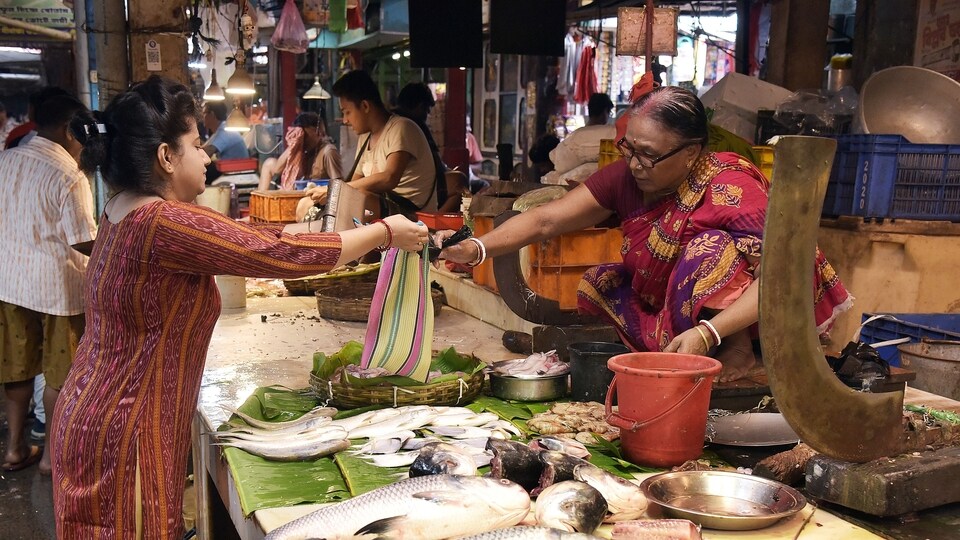
Bangladeshi ilish (king of fish), which comes from Padma, a distributary of river Ganga, is essential to Bengali cuisine, with ilish and khichdi being a common dish enjoyed by all during the festive season.
Also Read: Bangladesh vows ‘necessary steps’ to extradite ex-PM Sheikh Hasina from India
Post the ouster of Sheikh Hasina, who had maintained exports as a sign of goodwill between the two countries, the lack of supply is set to increase prices of the fish astronomically.
Bangladesh had banned Hilsa exports earlier from 2012-2020 due to low supply and high prices, but had made exceptions for India.
Why did the government ban Hilsa exports?
Bangladesh produces 70 per cent of the world's ilish, which is also their country's national fish. However, supply has been scarce for the country as well.
Also Read: India yet to take call on Bangladesh’s request for Yunus-Modi meeting
Farida Akhtar, advisor to the Bangladesh ministry of fisheries and livestock, stated that the government imposed a ban to ensure sufficient supply for local consumers, reported the Bangladeshi daily, Dhaka Tribune.
Also Read: As Durga Puja approaches, Bangladesh interim govt warns potential troublemakers
"We cannot allow ilish to be exported while our own people cannot buy them. This year, I have instructed the Ministry of Commerce to prevent any ilish exports to India during Durga Puja," she said.
Even though in 2012, the Bangladesh government had banned exports due to disputes surrounding the Teesta water sharing agreement, trade had resumed between the countries due to neighbourly relations and shared culture, leading to the term ‘Hilsa diplomacy’.
How can Indians get Padma Hilsa?
Due to the lack of supplies from Bangladesh, a majority of the Padma Hilsa in the country will have to be imported from Myanmar and from the Indian states of Odisha and Gujarat.
While the supply of Hilsa has been inconsistent since the anti-government protests in July, markets in Delhi have been able to get ahold of the fish supplies through trade routes in Myanmar.
This has also increased the prices of the fish, which is high in demand.
"We are selling a 1-1.3-kg-size Hilsa from Bangladesh for ₹2,200 to ₹2,400 a kilo now. The price was between ₹1,800 and ₹2,000 a kilo a few months ago," a fish retailer in Delhi, told India Today.
In 2019, Bangladesh had allowed 500 tonnes of Hilsa to be exported to India as a Durga Puja 'gift'. In 2023, around 3,950 tonnes of hilsa had been sent to India for the festival, reported The Telegraph.


